Feldspar Grinding Project (7 TPH, 300 Mesh)
Feldspar is a critical raw material in the ceramic glaze industry, valued for its ability to lower the glaze firing temperature, improve glaze gloss, and reduce cracking and crazing. This project, located in Jiangxi Province, China—a major ceramic production region—produces 300-mesh feldspar powder at 7 TPH, supplying local ceramic manufacturers specializing in high-quality ceramic glazes. The project addresses the manufacturers’ need for low-iron, uniform feldspar powder to produce high-gloss, defect-free ceramic glazes.
The raw feldspar used in the project is low-iron potassium feldspar, sourced from local mines with a chemical composition of SiO₂ 68-72%, Al₂O₃ 16-18%, K₂O 9-11%, and iron content (Fe₂O₃) ≤0.05%. The low iron content is critical for ceramic glazes, as iron impurities can cause discoloration (yellow or brown spots) and affect the glaze’s gloss. The raw feldspar arrives at the project site as 100-150mm lumps, which undergo a pretreatment process to remove impurities and reduce iron content further.
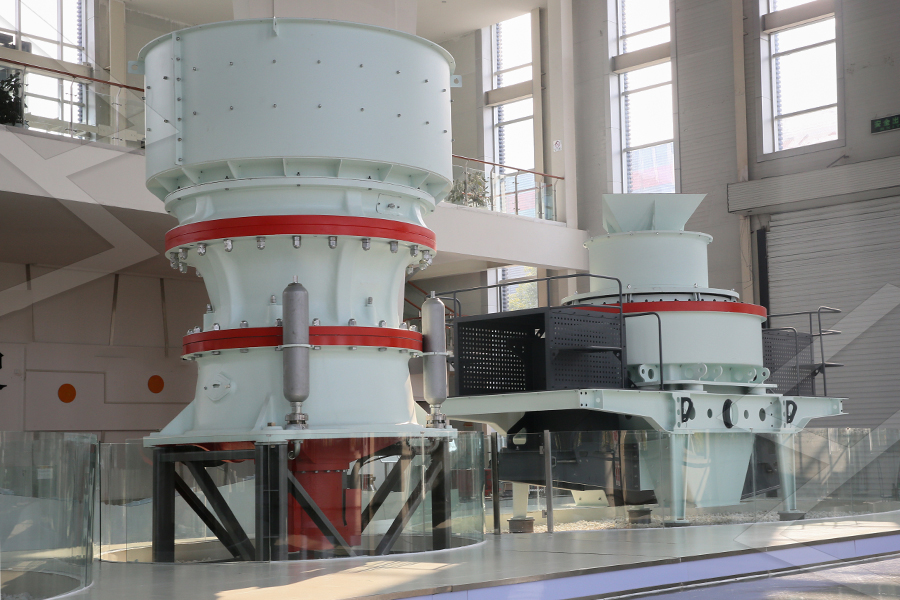
First, the raw feldspar is crushed to 50-70mm using a jaw crusher (PE400×600), then sorted manually to remove rock fragments and gangue. A high-intensity magnetic separator (12,000 gauss) is used to remove iron impurities, reducing the Fe₂O₃ content to ≤0.03%, ensuring the powder does not discolor the ceramic glazes. After magnetic separation, the feldspar is crushed to 10-15mm using a cone crusher (CSB160), then stored in a 150-ton silo to ensure a continuous feed to the grinding system.
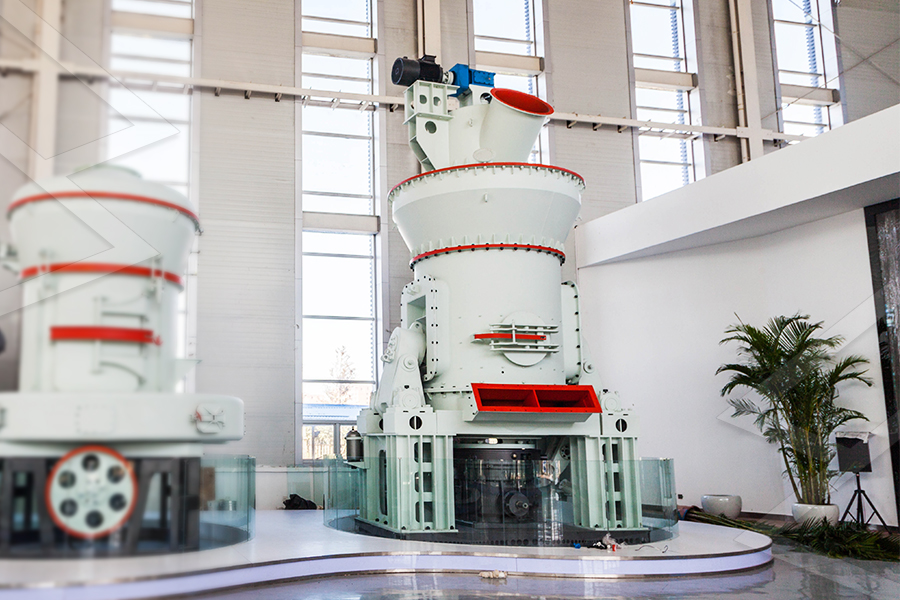
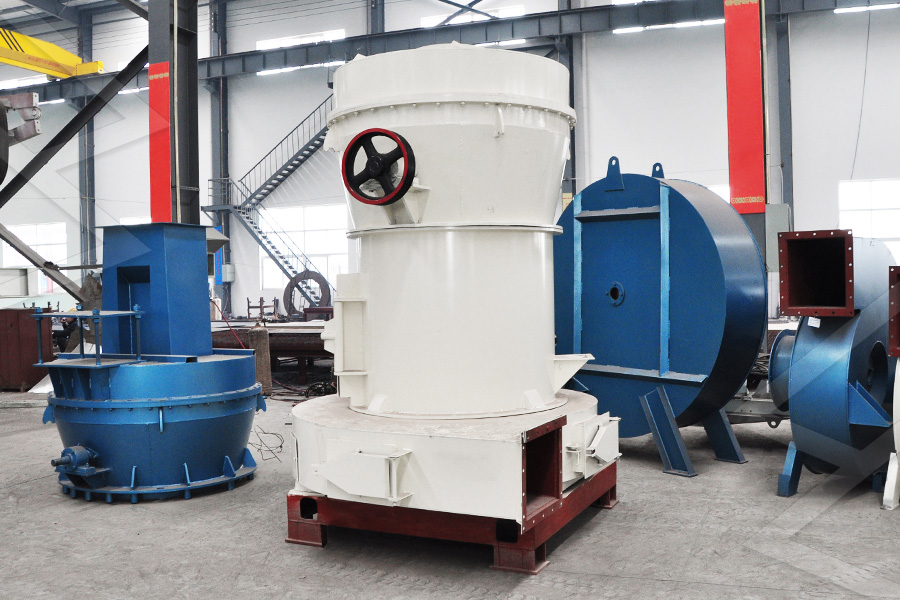
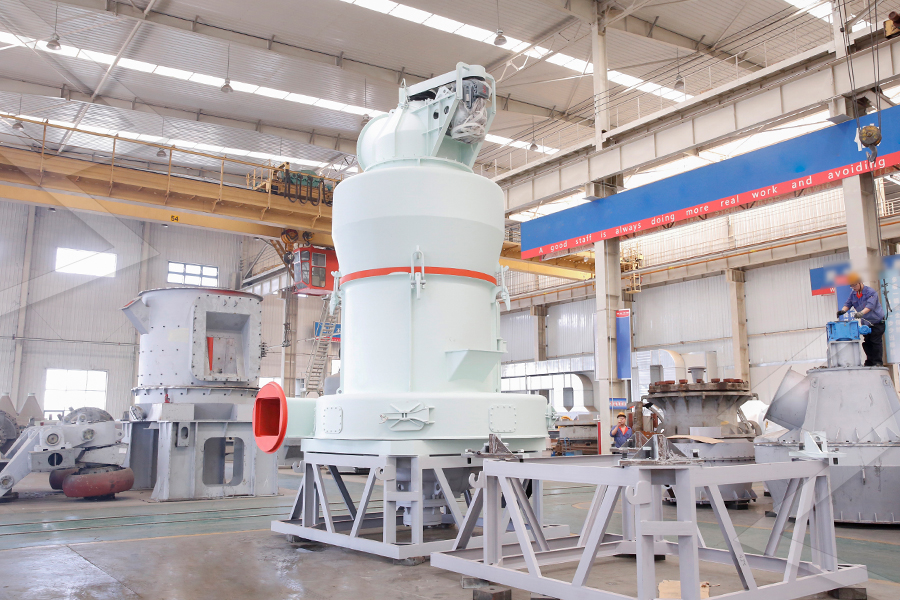
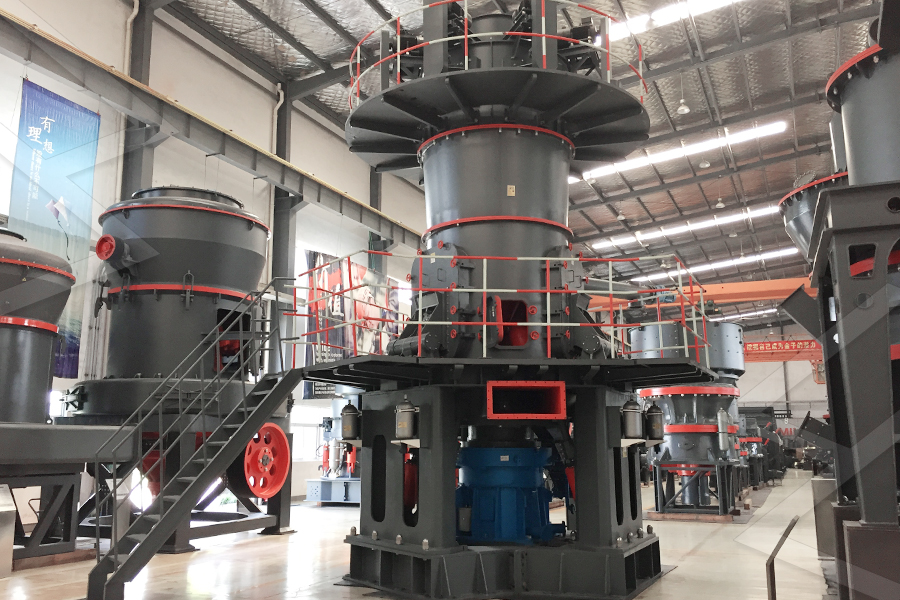
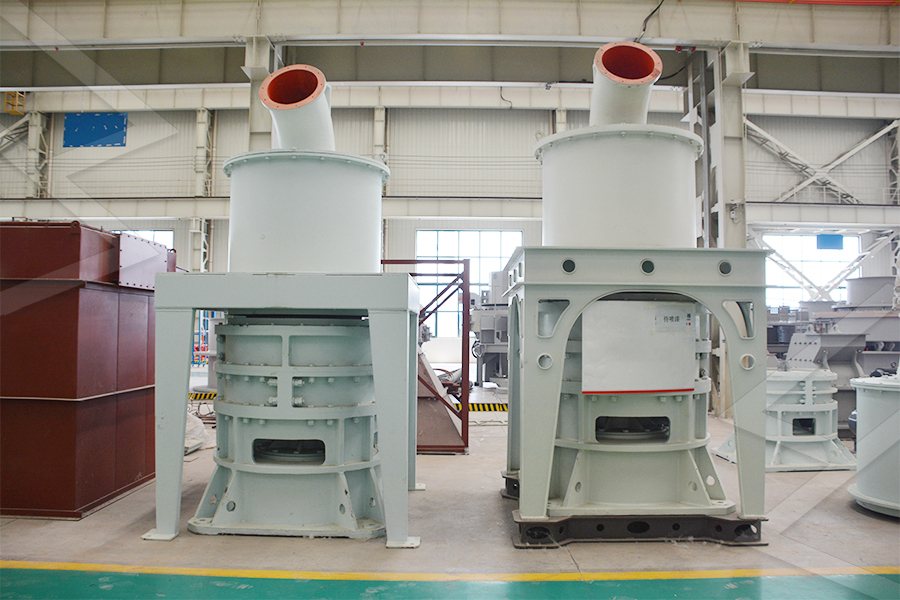
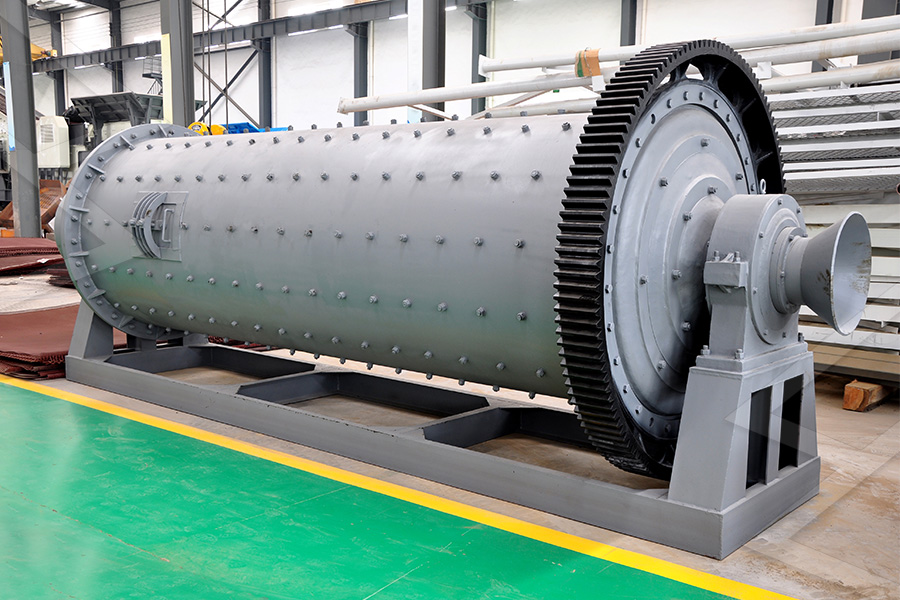
The project uses a Raymond mill (YGM-3412), which is ideal for feldspar grinding due to its ability to produce uniform, fine powder and handle medium-hard materials. The Raymond mill features 4 grinding rollers, a grinding ring, and a fan with a 160 kW power rating, operating at a rotational speed of 24 rpm. The 10-15mm feldspar particles are fed into the mill, where they are ground between the rotating rollers and grinding ring into fine powder.
Hot air (160-180°C) is blown into the Raymond mill to dry the powder, reducing the moisture content from 4-6% to less than 0.5%, preventing agglomeration and ensuring uniform particle size. An air classifier, integrated into the mill, is set to separate particles finer than 300 mesh (48 μm); the classifier’s impeller speed is adjustable (1900-2100 rpm) to ensure consistent fineness. The 300-mesh powder is collected by a pulse bag filter with a dust collection efficiency of 99.9%, complying with China’s environmental standards.
The 300-mesh feldspar powder is used in ceramic glazes, accounting for 20-30% of the glaze formula. It lowers the glaze firing temperature from 1250°C to 1100-1150°C, reducing energy consumption by 12% and improving production efficiency. The powder also improves the glaze’s gloss (increasing it by 25%) and reduces cracking and crazing, lowering the product rejection rate from 10% to 3%. The project has a total investment of 3.5 million yuan and a payback period of 2 years, providing a stable supply of high-quality feldspar powder for the ceramic glaze industry.