Talc Powder Processing: A Versatile Filler for Multiple Industries
Talc, a hydrous magnesium silicate mineral, is a soft, slippery non-metallic mineral with excellent physical and chemical properties. Its powder form is widely used as a filler and additive in various industries, thanks to its low cost, non-toxicity, and ability to improve product performance. Talc powder processing involves grinding talc ore into fine powder, which is used in industries such as plastics, rubber, cosmetics, and paper. This article explores the details of talc powder processing, including key parameters, applications, and a project description.
The key parameters for talc powder processing are production capacity and the fineness, which are tailored to meet the specific needs of different industries. For this talc grinding project, the production capacity is set at 7 tph, with an出料 fineness of 200 mesh. The 7 tph capacity is suitable for medium-scale production, catering to the needs of local plastics and rubber manufacturers, while the 200-mesh fineness ensures that the powder has a uniform particle size, which is essential for dispersion in plastic and rubber matrices. Talc is one of the softest minerals (Mohs hardness of 1), making it very easy to grind, reducing energy consumption and equipment wear.
Talc powder has a wide range of applications across multiple industries. In the plastic and rubber industry, it is used as a filler to reduce costs, improve mechanical properties (such as stiffness and heat resistance), and enhance processing performance. It is also used as a lubricant and mold release agent, reducing friction between the plastic/rubber and processing equipment. In the cosmetics industry.
it is used as a filler and absorbent in products such as powder, foundation, and baby powder, thanks to its soft texture and ability to absorb moisture. In the paper industry, it is used as a filler and coating, improving the smoothness and printability of paper. Additionally, it finds applications in the pharmaceutical industry as an excipient and in the construction industry as a filler in mortar and concrete.
it is used as a filler and absorbent in products such as powder, foundation, and baby powder, thanks to its soft texture and ability to absorb moisture. In the paper industry, it is used as a filler and coating, improving the smoothness and printability of paper. Additionally, it finds applications in the pharmaceutical industry as an excipient and in the construction industry as a filler in mortar and concrete.
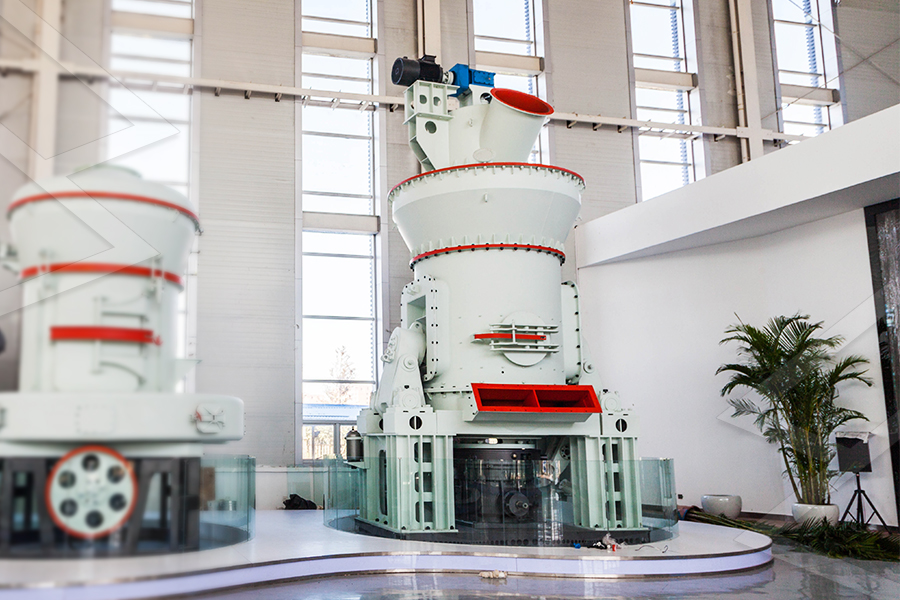
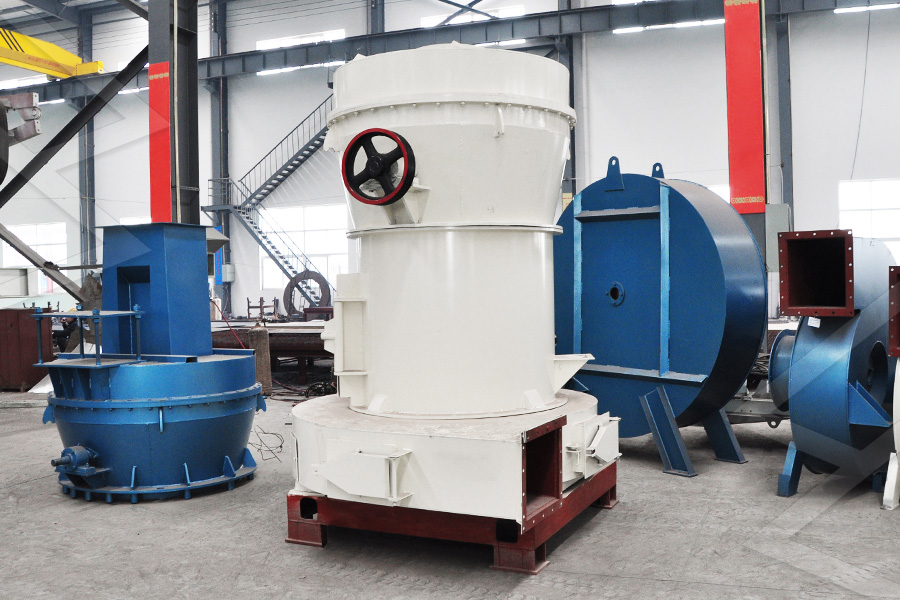
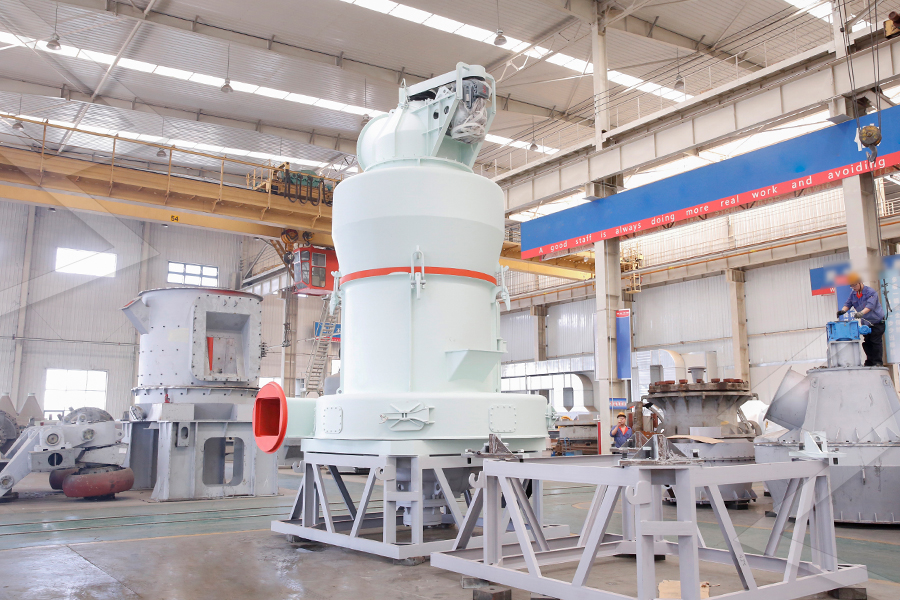
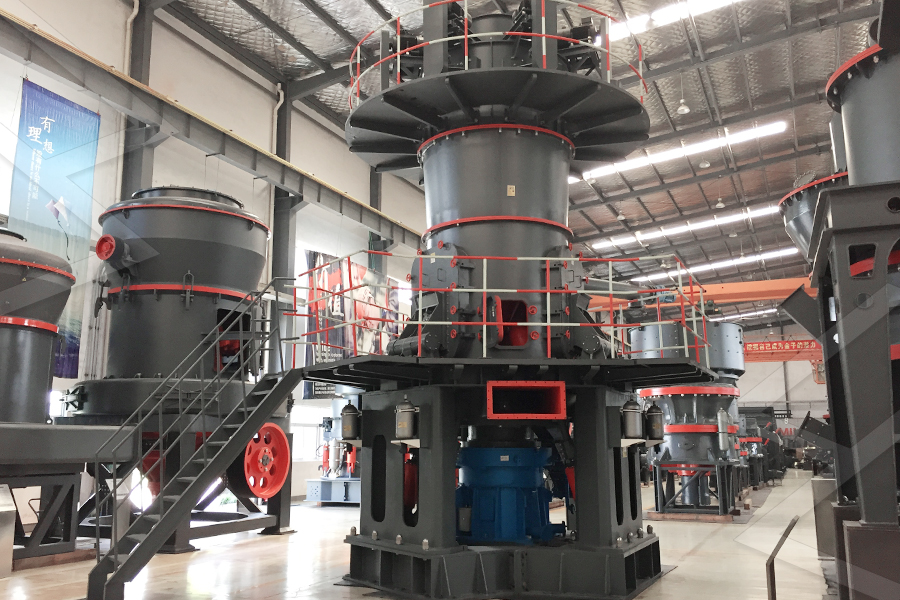
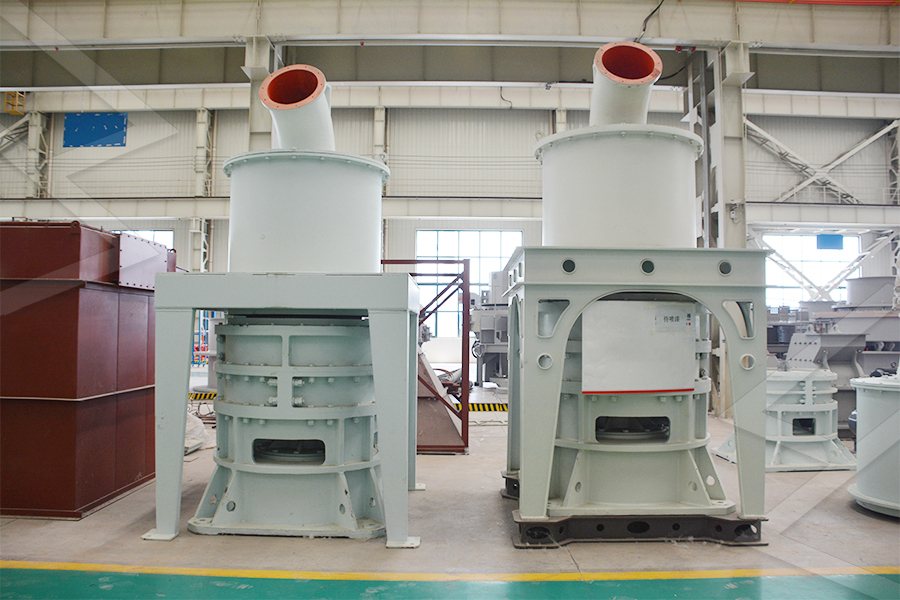
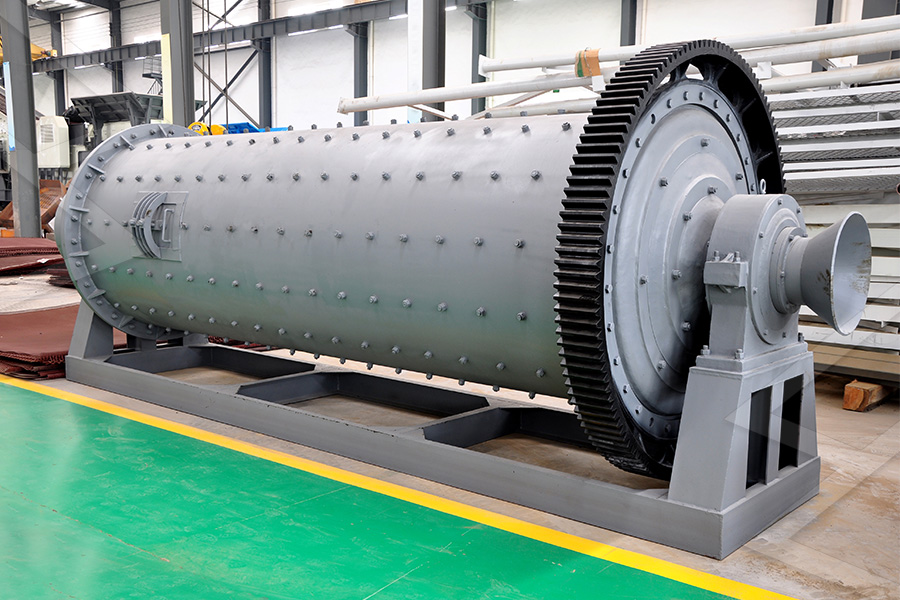
The talc powder processing process involves raw material crushing, grinding, classification, and surface modification (optional). First, raw talc ore is crushed into small particles (15-25mm) using a jaw crusher. The crushed material is then fed into a Raymond mill or vertical mill, which grinds the particles into fine powder. A classifier is used to separate the powder by fineness, ensuring that only 200-mesh powder is collected.