the mae hong son limestone project thailand
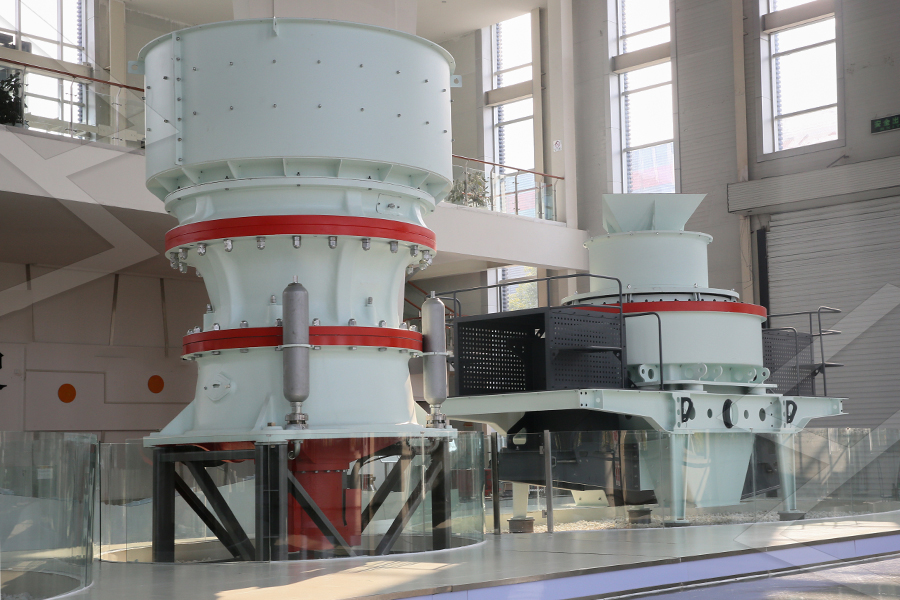
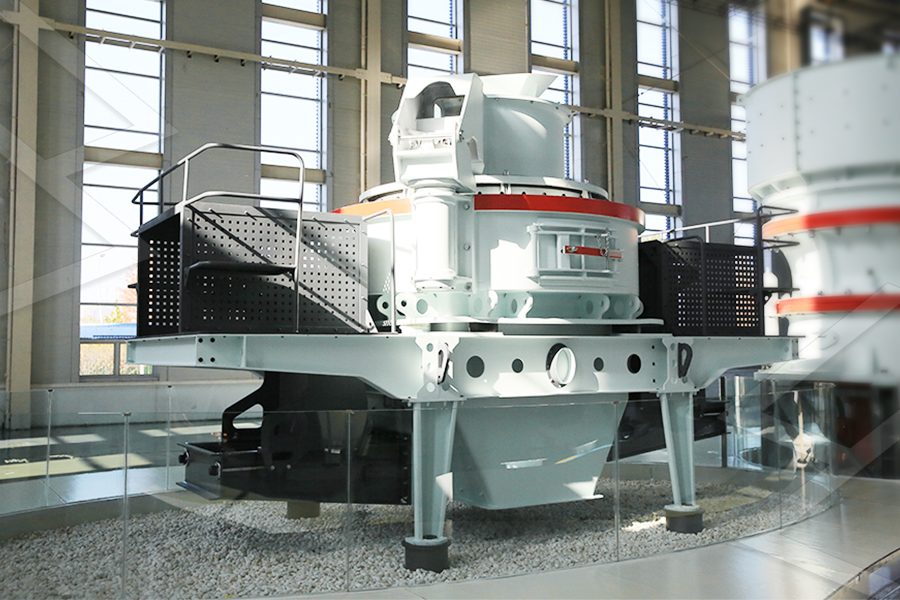
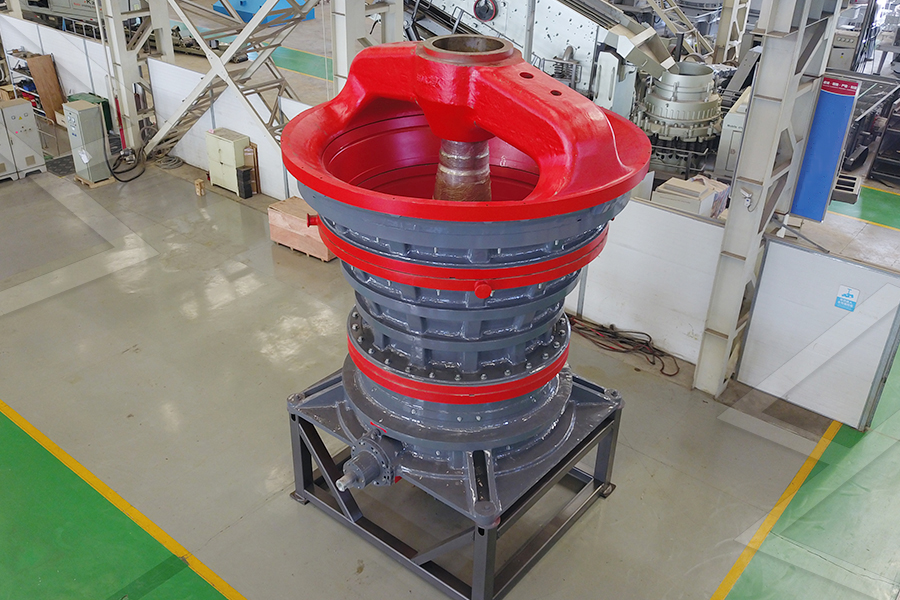
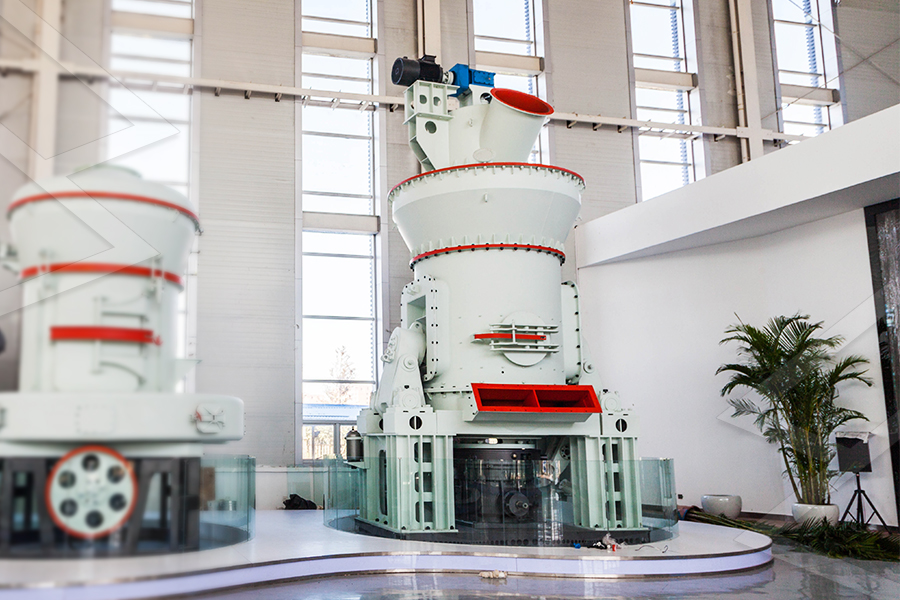
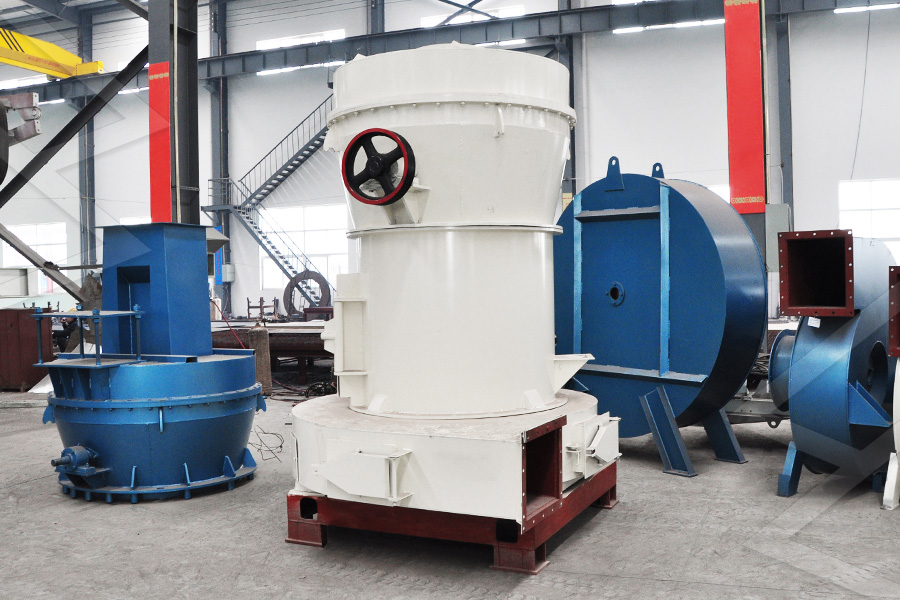
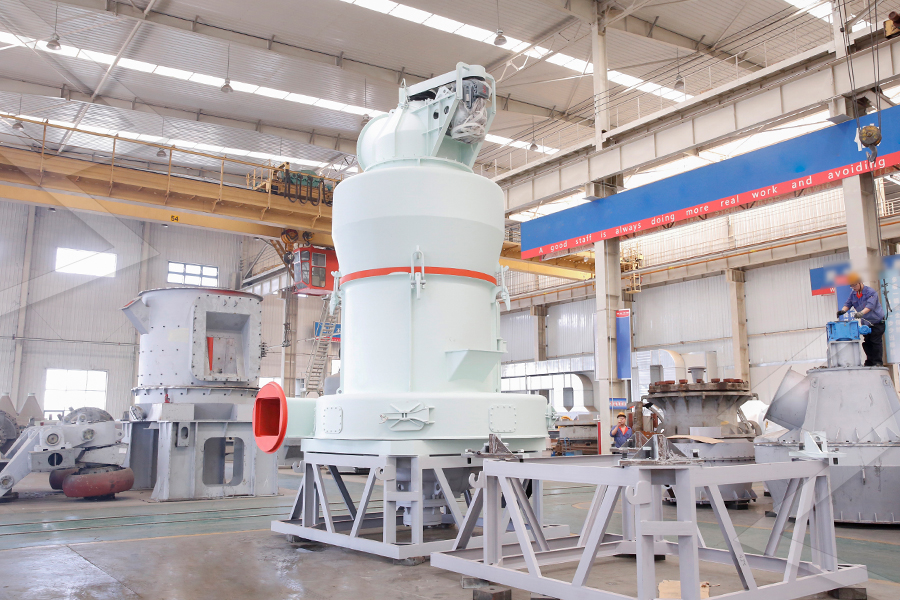
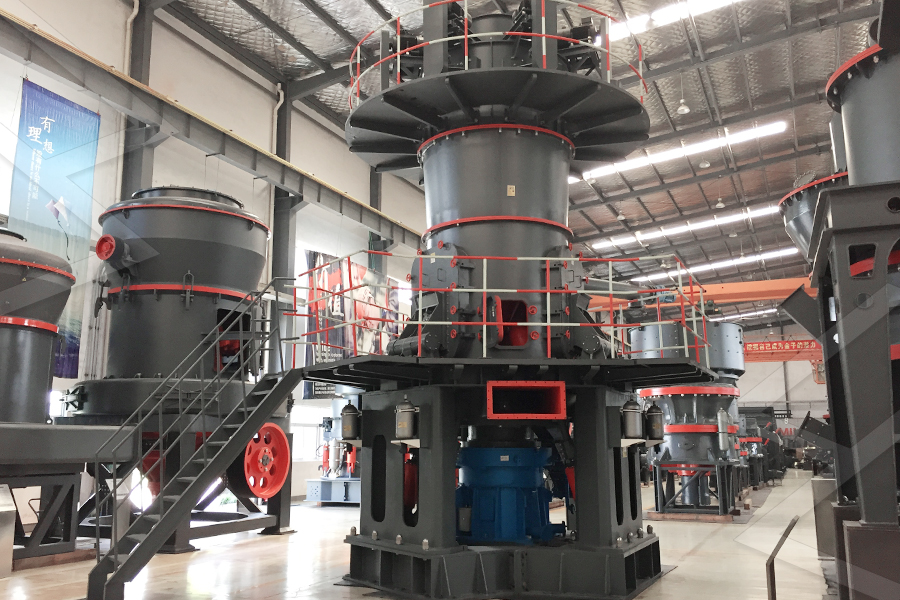
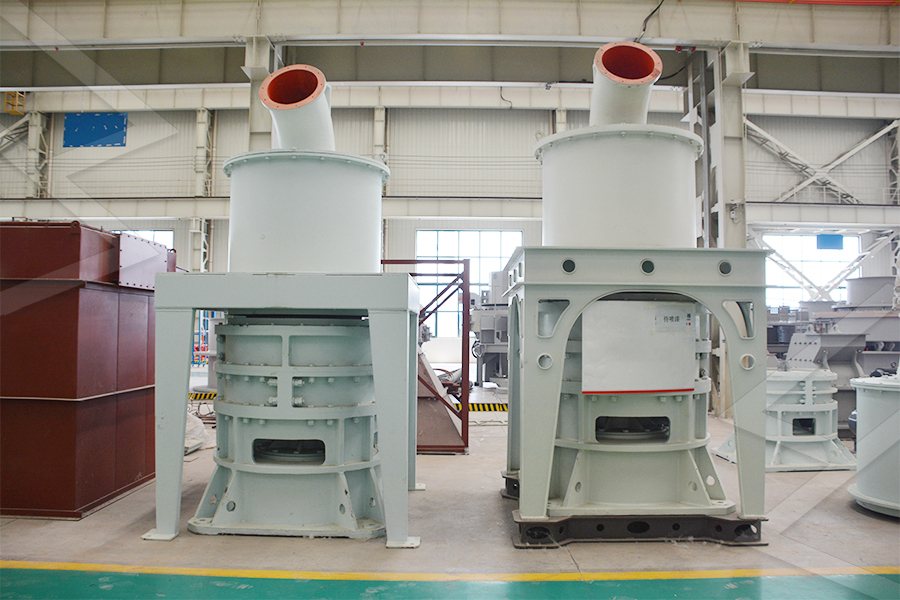
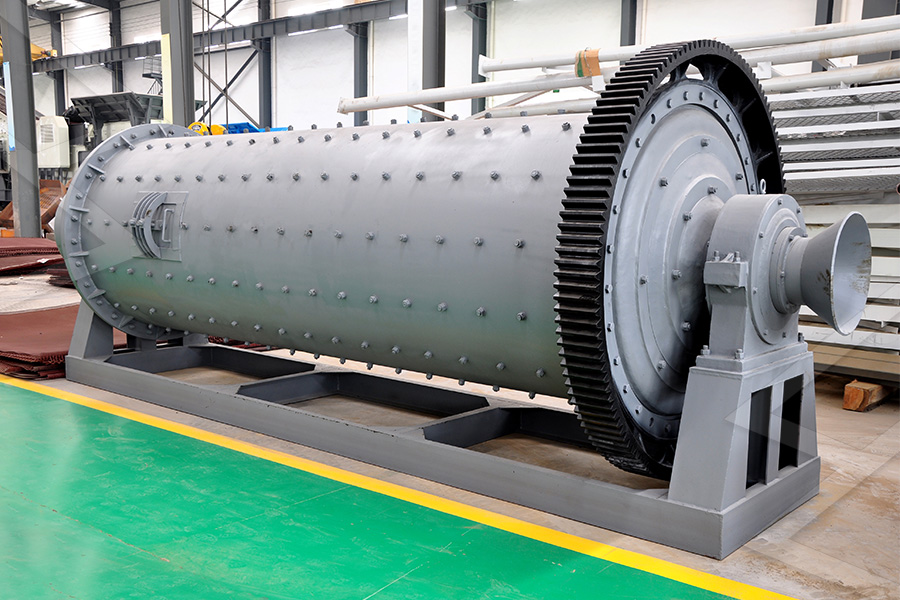
in the mountainous province of mae hong son near the border with myanmar in northern thailand a community-based industrial project is bringing modern mineral processing to one of the countrys most remote and beautiful regions. this is the mae hong son limestone project which features a simple but reliable raymond mill stone powder grinding mill with a capacity of 11 tons per hour. the raw material is limestone from a local quarry in the mountainous terrain limestone that has been used for generations by local communities for building construction and agricultural liming.
The raymond mill a time-tested technology grinds this limestone into a fine powder with a target fineness of 100 microns or approximately 150 mesh. this specific particle size is versatile enough to serve multiple local needs. the primary application is as agricultural lime for the regions smallholder farmers who cultivate rice vegetables and fruit trees on the terraced mountain slopes. the fine limestone powder neutralizes the naturally acidic soils of the region releasing nutrients for plant growth and significantly improving crop yields.
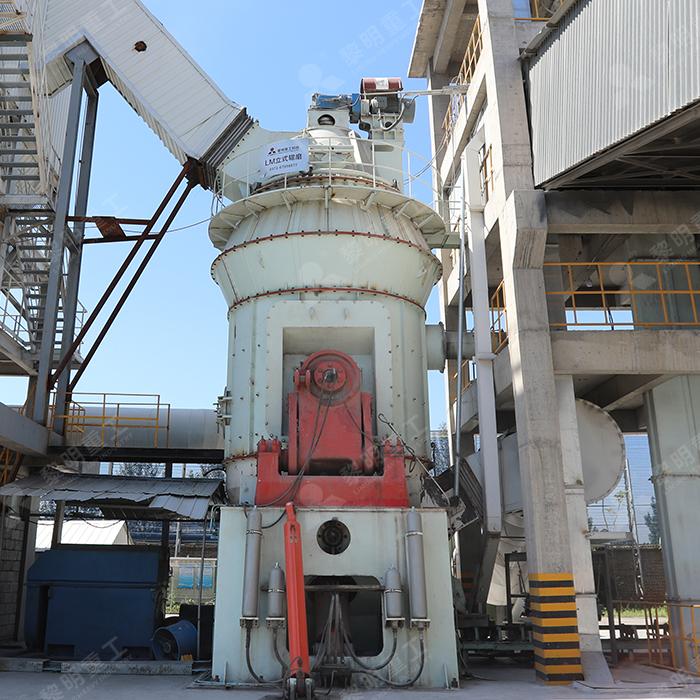
The powder is also used by local construction companies as an additive in concrete and mortar and by villagers for whitewashing their traditional wooden houses. the project was initiated by a provincial development cooperative with support from the thai government to reduce rural poverty and support sustainable agriculture. a significant challenge was the remote location with limited access to technical expertise and spare parts. the solution was to select a simple robust raymond mill design that local technicians could maintain after basic training and to stockpile critical spare parts at the site.
The 11 tons per hour capacity of this stone powder grinding mill far exceeds local demand allowing the cooperative to supply neighboring provinces and generate revenue that is reinvested in community development projects including schools and healthcare facilities in the surrounding villages. this project demonstrates how appropriate technology can empower remote communities and support both agricultural development and economic self-sufficiency in the beautiful mountains of northern thailand.
The raymond mill a time-tested technology grinds this limestone into a fine powder with a target fineness of 100 microns or approximately 150 mesh. this specific particle size is versatile enough to serve multiple local needs. the primary application is as agricultural lime for the regions smallholder farmers who cultivate rice vegetables and fruit trees on the terraced mountain slopes. the fine limestone powder neutralizes the naturally acidic soils of the region releasing nutrients for plant growth and significantly improving crop yields.
The powder is also used by local construction companies as an additive in concrete and mortar and by villagers for whitewashing their traditional wooden houses. the project was initiated by a provincial development cooperative with support from the thai government to reduce rural poverty and support sustainable agriculture. a significant challenge was the remote location with limited access to technical expertise and spare parts. the solution was to select a simple robust raymond mill design that local technicians could maintain after basic training and to stockpile critical spare parts at the site.
The 11 tons per hour capacity of this stone powder grinding mill far exceeds local demand allowing the cooperative to supply neighboring provinces and generate revenue that is reinvested in community development projects including schools and healthcare facilities in the surrounding villages. this project demonstrates how appropriate technology can empower remote communities and support both agricultural development and economic self-sufficiency in the beautiful mountains of northern thailand.