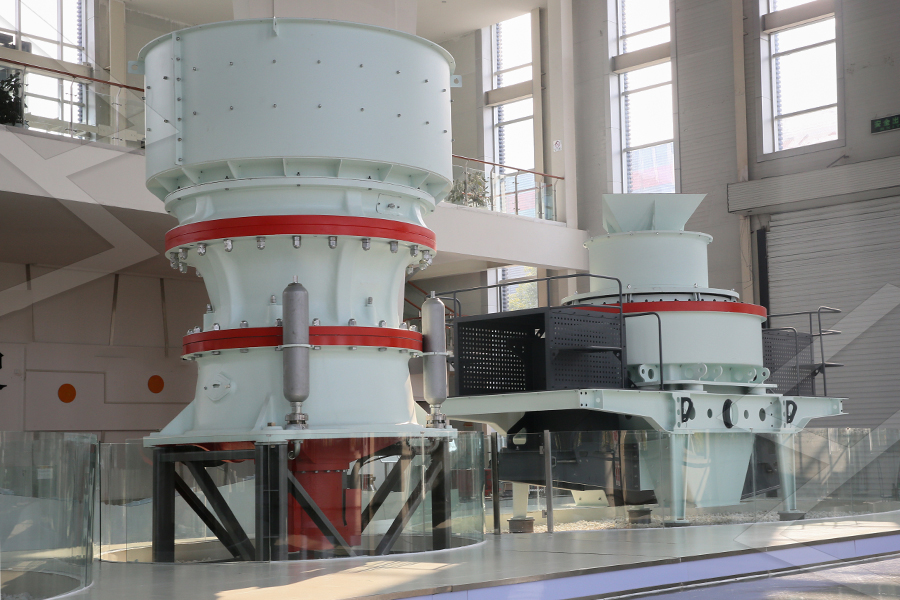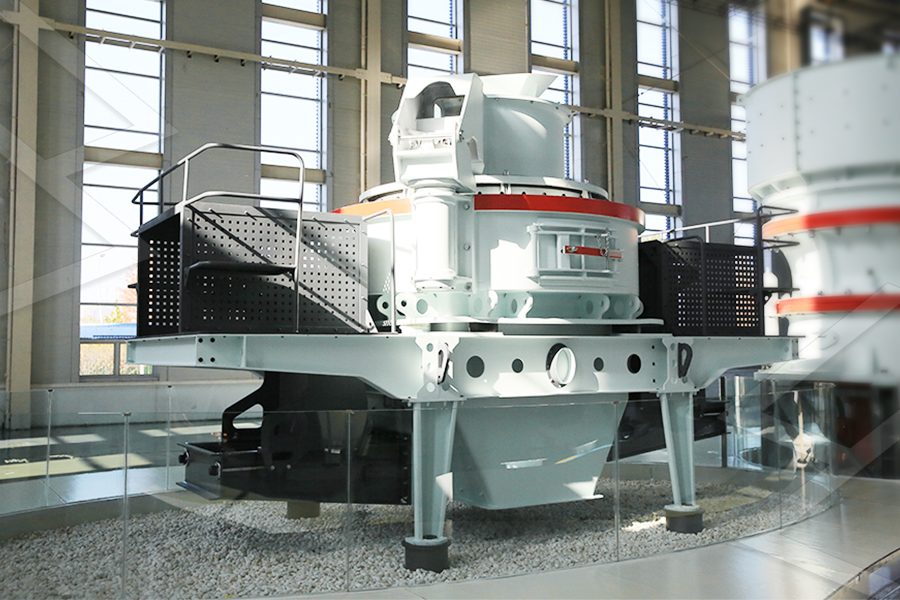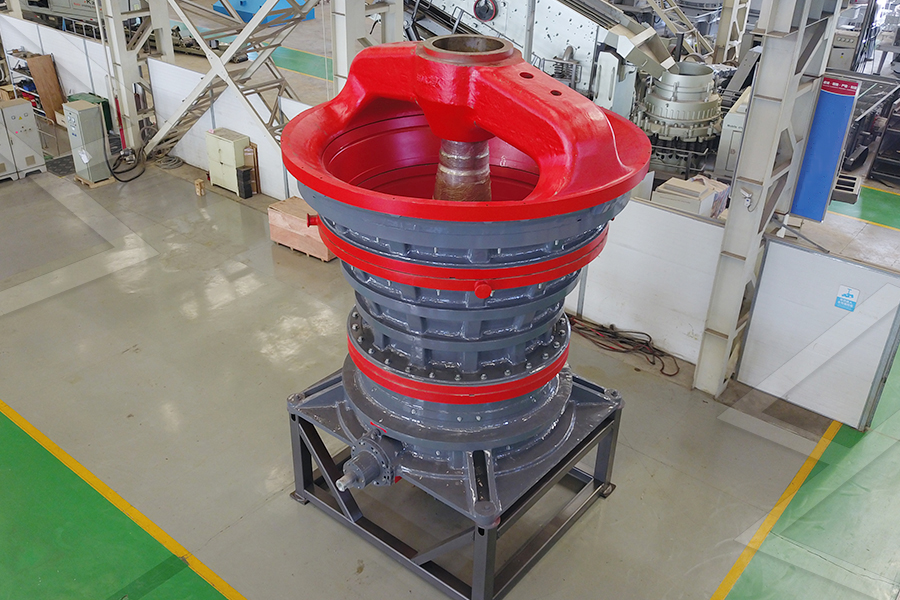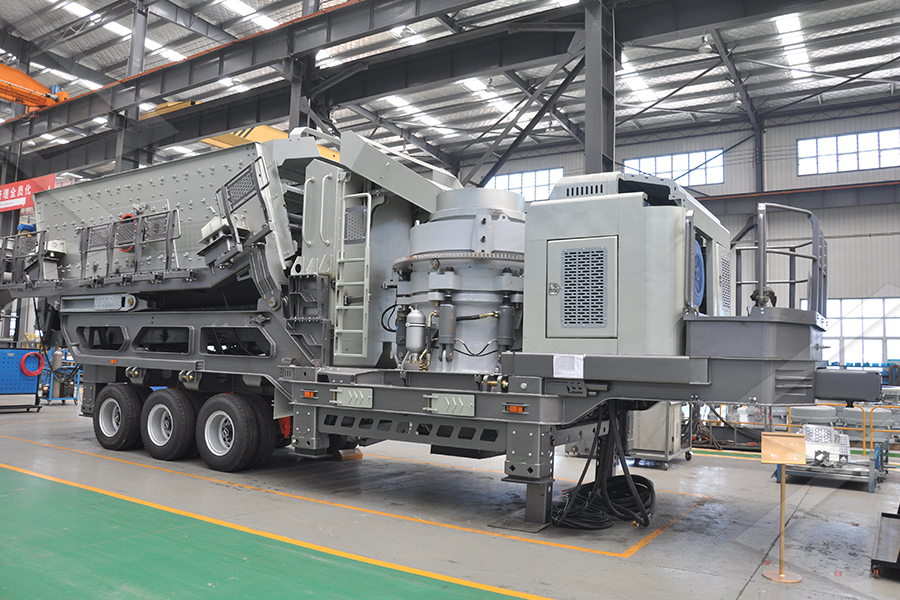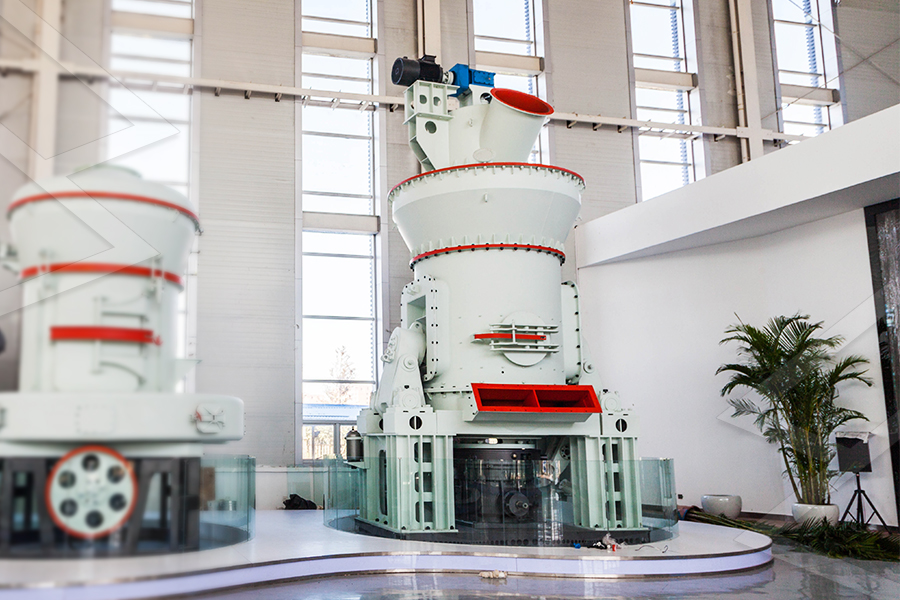
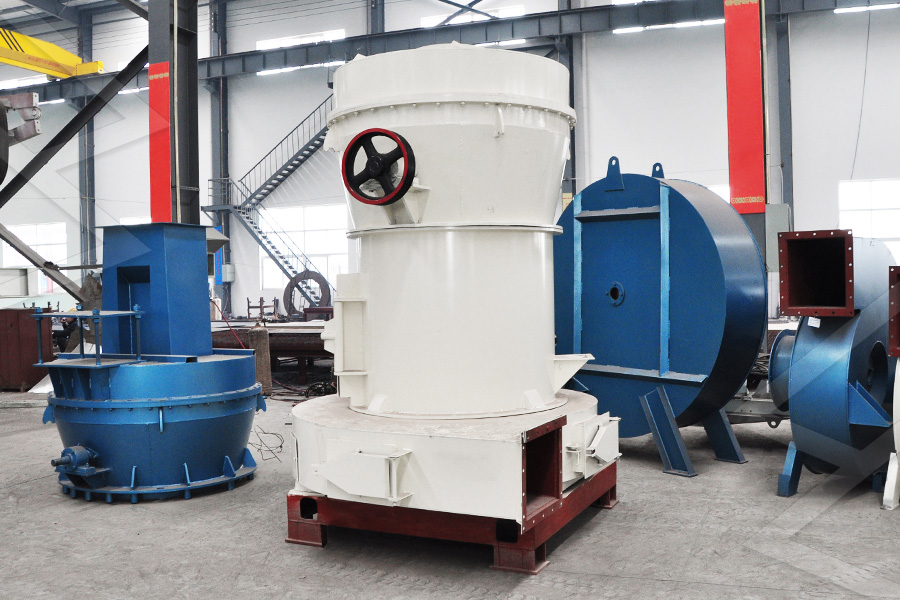
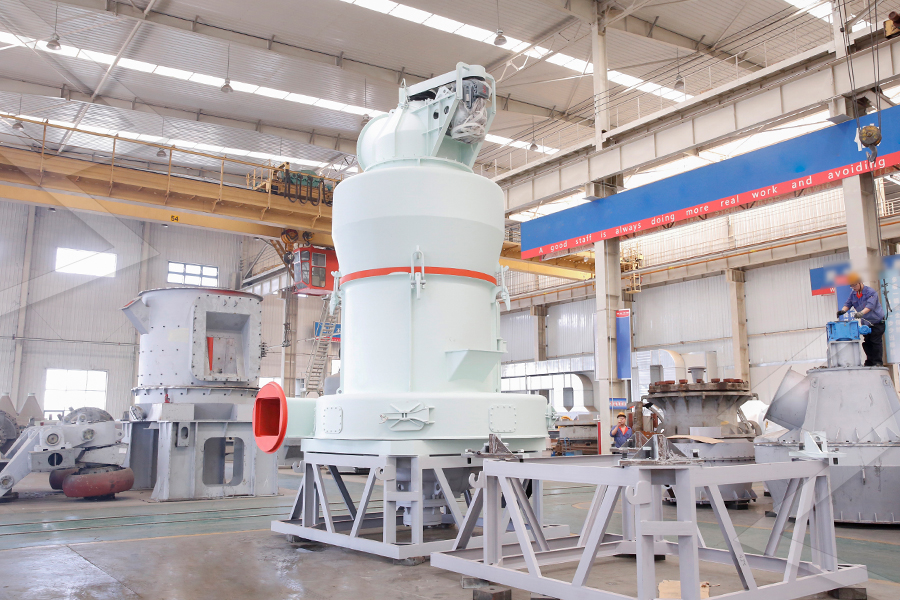
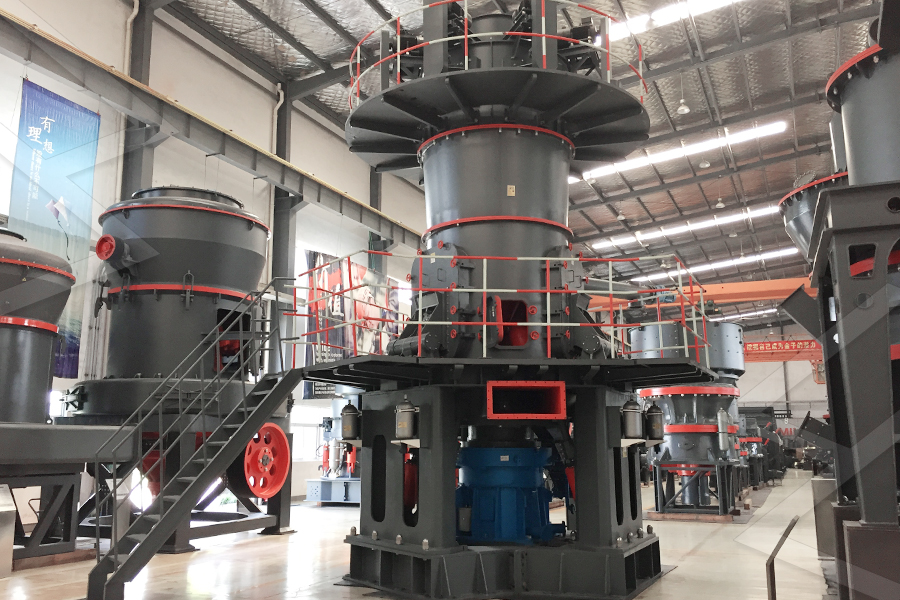
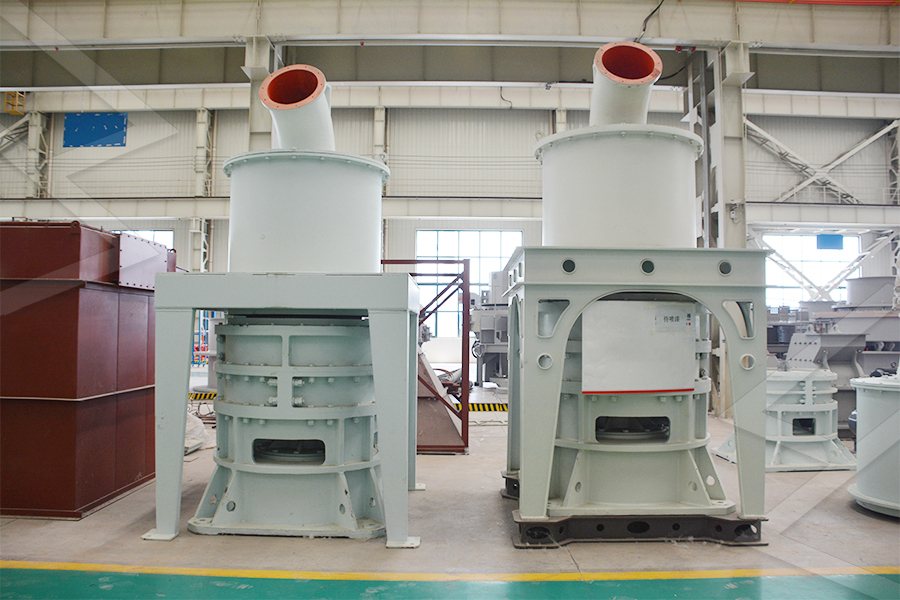
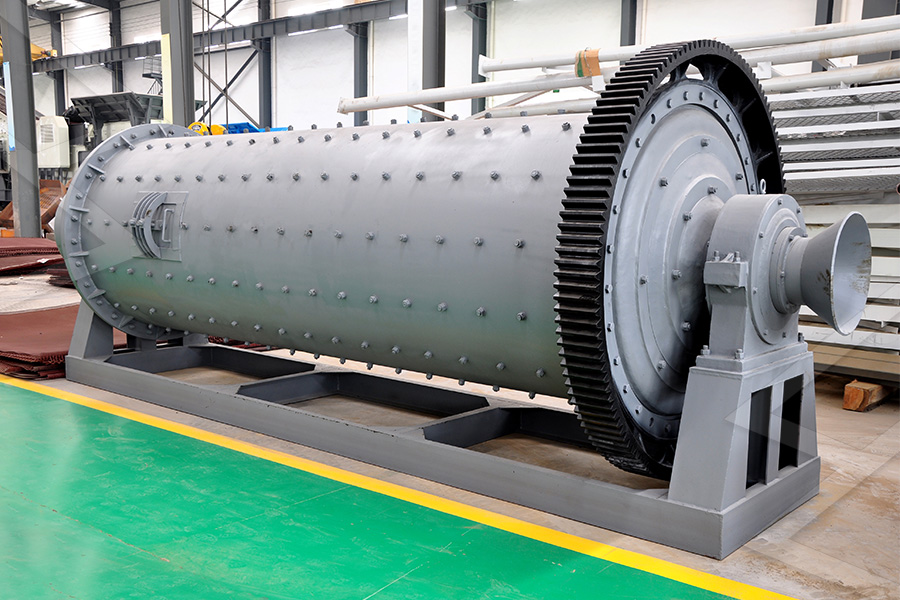
The grinding mill a giant rotating cylinder and attrition to grind the largest rocks into a fine powder.
in the mineral-rich state of rajasthan india known as the land of kings another stone powder grinding mill is hard at work. this time it is a ball mill with a massive capacity of 30 tons per hour processing local dolomite and soapstone. the target fineness varies by customer request but a common specification is 250 mesh which is approximately 63 microns. this versatile mill serves a huge range of industries from steel manufacturing to the production of insecticides.
the ball mill a giant rotating cylinder filled with steel balls uses impact and attrition to grind the largest rocks into a fine powder. as the mill rotates the balls cascade down crushing the material. the 30 tons per hour capacity makes it one of the largest in the region capable of supplying raw material to multiple factories simultaneously. the 63 micron dolomite powder is essential for the steel industry where it is used as a flux in blast furnaces.
the same mill also grinds soapstone which is then used as a carrier for pesticides and insecticides allowing the active chemicals to be spread evenly across fields. from the steel plants of jamshedpur to the farms of punjab the output of this single high-capacity mill in rajasthan plays a vital role in indias industrial and agricultural supply chains.
the same mill also grinds soapstone which is then used as a carrier for pesticides and insecticides allowing the active chemicals to be spread evenly across fields. from the steel plants of jamshedpur to the farms of punjab the output of this single high-capacity mill in rajasthan plays a vital role in indias industrial and agricultural supply chains.
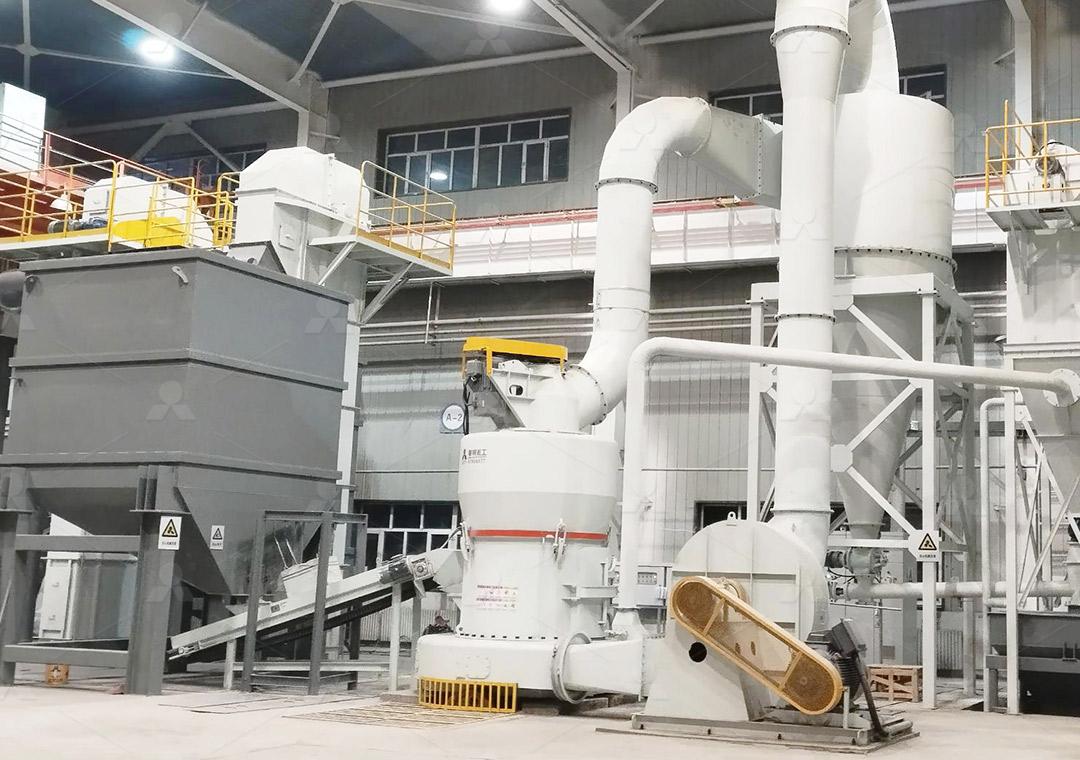
along the coast of central vietnam near the city of quy nhon vast white sand dunes stretch for miles. this is not just sand but high-purity silica a critical industrial mineral. a stone powder grinding mill specifically designed for the abrasiveness of silica operates here with a capacity of 6 tons per hour. it grinds the washed and dried silica sand into a fine powder of 150 microns. this processed material is the foundation of the regions glass and fiberglass industries.
silica is one of the hardest and most abrasive minerals making it a challenge to grind. this mill uses specially hardened wear parts to withstand the punishing conditions. the grinding process reduces the sand grains to a fine consistent powder. the 150 micron specification is critical for glass manufacturing as it ensures uniform melting in the furnaces leading to high-quality clear glass with no imperfections. the 6 tons per hour output supplies several local glass factories that produce everything from bottles to flat glass for the booming construction market in ho chi minh city. this mill is a perfect example of how technology can add immense value to a local natural resource transforming raw sand into a high-value industrial commodity.