calcium carbonate as a functional filler for cables in indonesia
indonesia's growing infrastructure and telecommunications sectors have driven a massive increase in the demand for cables, from power transmission lines to fiber optic and data cables. a key component in the plastic insulation and jacketing of these cables is calcium carbonate, used as a functional filler to improve properties and reduce cost. recognizing this market opportunity, a company in the bekasi region, near jakarta, has established a dedicated calcium grinding mill to supply the nation's cable manufacturers.
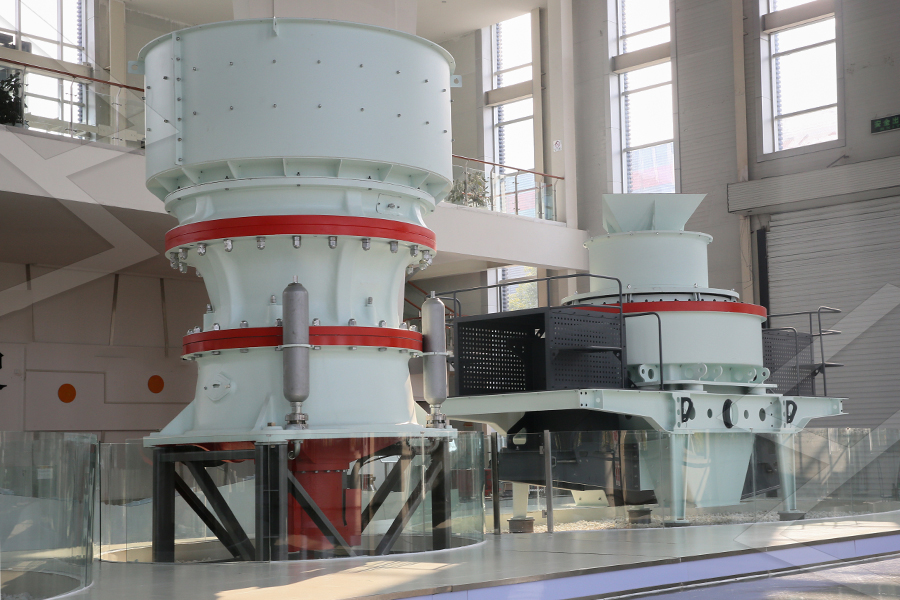
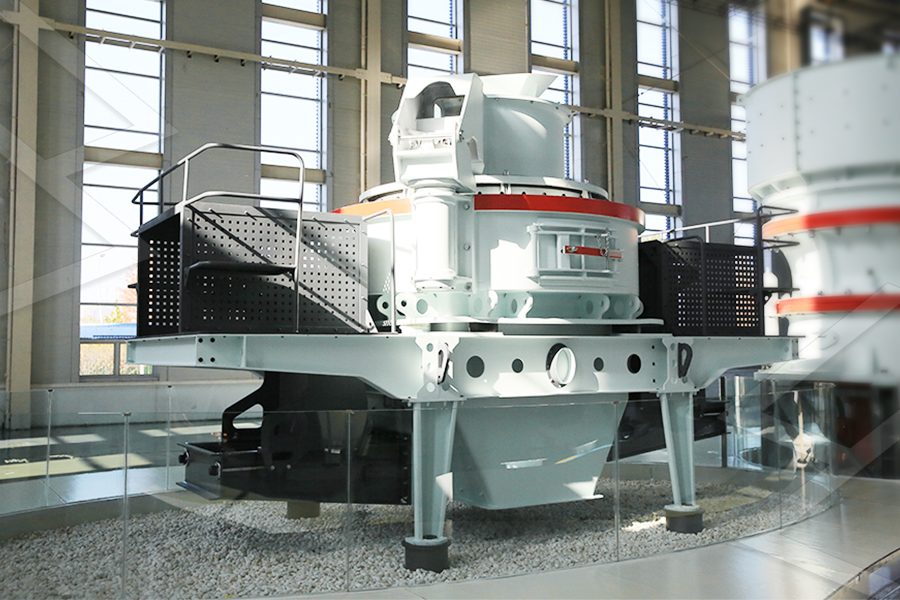
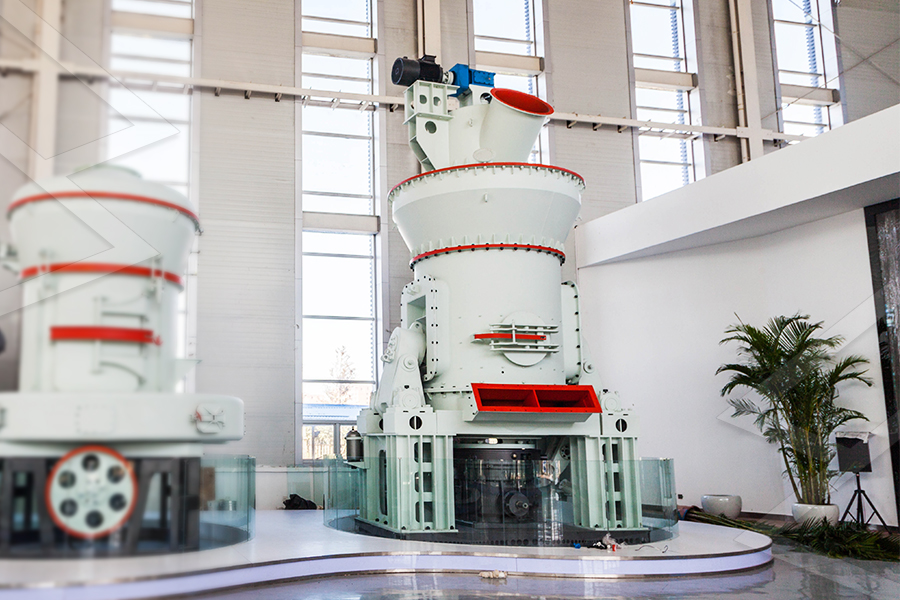
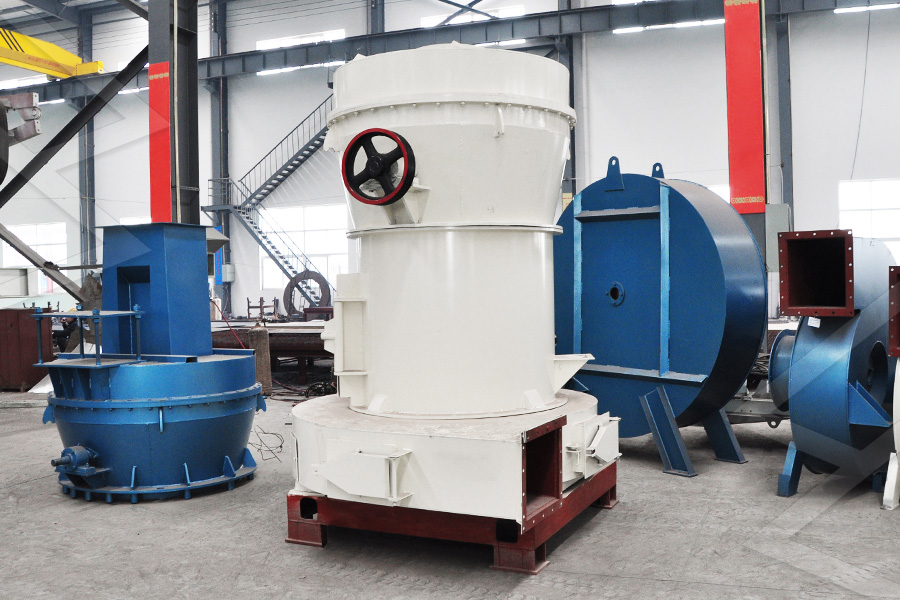
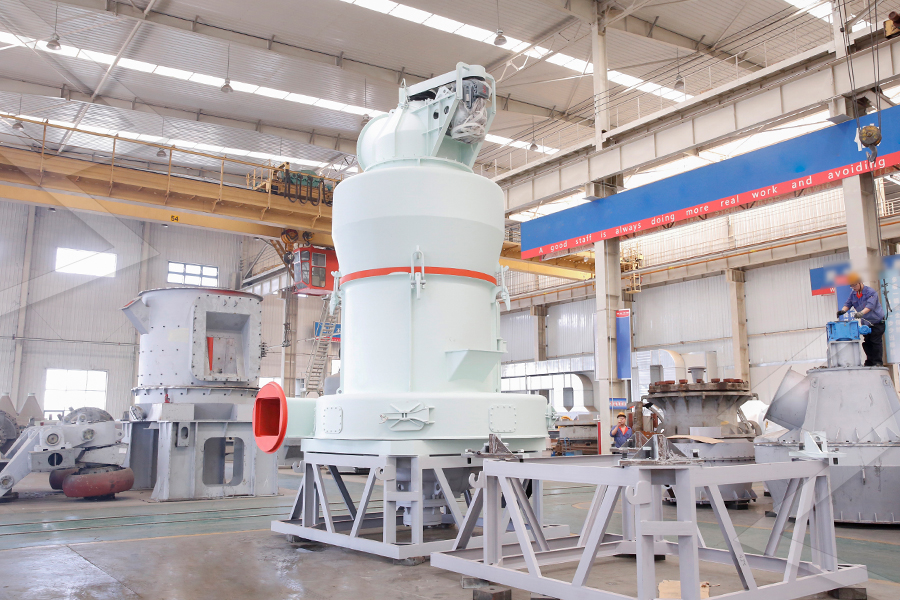
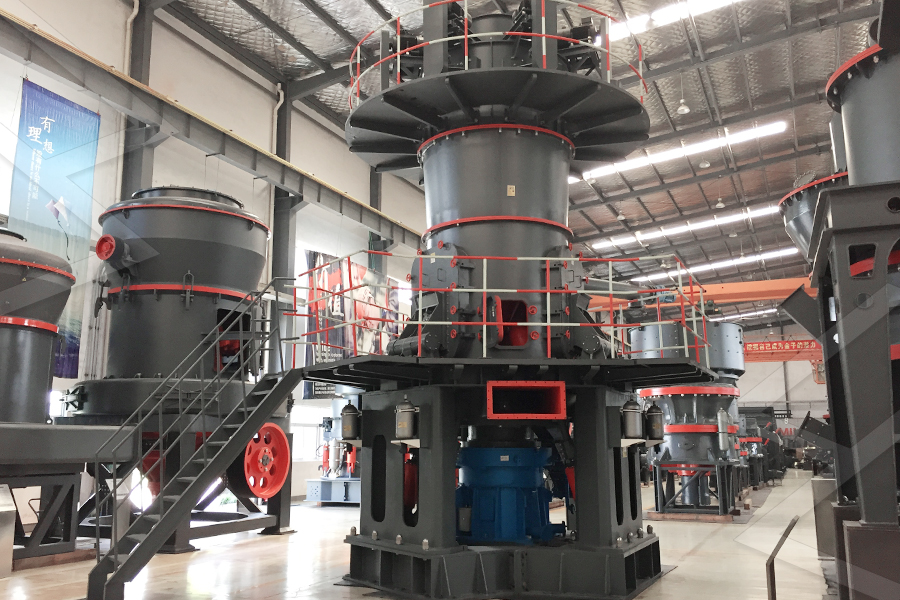
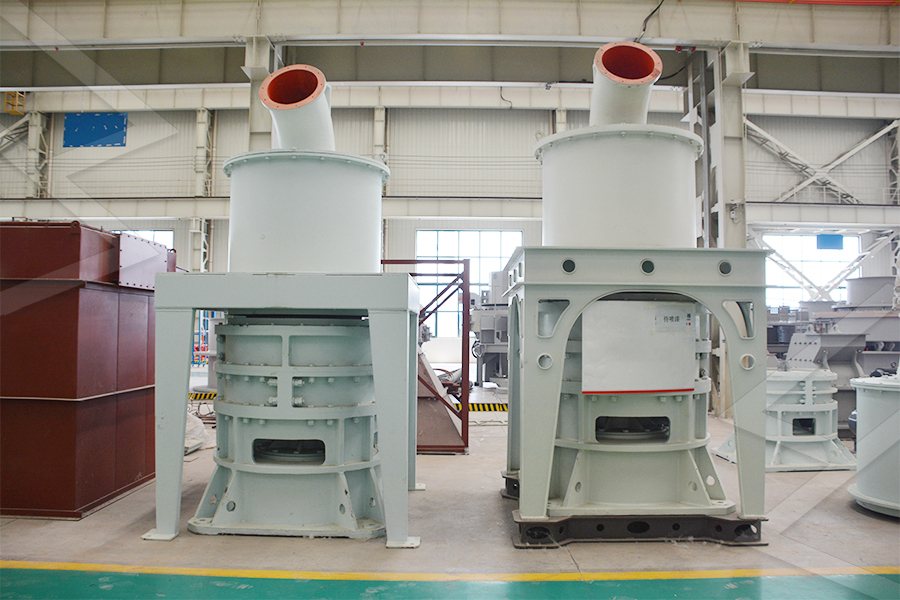
the facility is equipped with a modern calcium grinding mill, a vertical roller mill chosen for its energy efficiency and ability to produce consistent product over long production runs. the mill operates at a capacity of seven tonnes per hour, carefully sized to match the demands of the local cable industry. the raw material is sourced from high-purity limestone deposits in west java, ensuring a consistent base product. however, the key to serving the cable industry is not just grinding, but surface treatment.
for use in cable insulation and jacketing, typically made from pvc or polyethylene, calcium carbonate must be coated to make it compatible with the polymer. this plant is equipped with a downstream coating system. after the mill grinds the limestone to the target fineness of five micrometres, the powder is fed into a high-speed mixer where it is precisely coated with a layer of stearic acid. this coating makes the normally hydrophilic calcium carbonate hydrophobic, ensuring it bonds perfectly with the plastic matrix and does not absorb moisture, which could compromise the cable's electrical insulation properties.
the production process at this indonesian facility is a two-stage marvel. first, the raw material is ground in the vertical roller mill, with the integrated classifier ensuring a consistent five-micrometre product. this fine powder is then conveyed to the coating system. here, heated stearic acid is atomized and mixed with the turbulent powder stream, coating each particle with a monomolecular layer. the quality of this coating is critical and is continuously monitored by measuring the powder's surface properties. the final product, known as coated calcium carbonate, is a high-value material that commands a premium in the plastics market.
this calcium grinding mill has had a significant impact on indonesia's manufacturing ecosystem. by producing coated calcium carbonate locally, it has enabled domestic cable manufacturers to reduce their reliance on imported materials, improving their cost competitiveness. it has also fostered innovation, with the plant's technical team working alongside cable companies to optimize formulations for specific applications, such as flame-retardant cables or those designed for the tropics' high humidity. this venture showcases the sophisticated role a calcium grinding mill can play, transforming a simple mineral into a high-performance engineered material for a critical industry.