For the ceramics industry, particularly in producing tiles, sanitaryware, and advanced technical ceramics, ground quartz acts as a filler and flux material. The particle size distribution (PSD) must be tightly controlled to affect the body's thermal expansion, sintering behavior, and final strength.
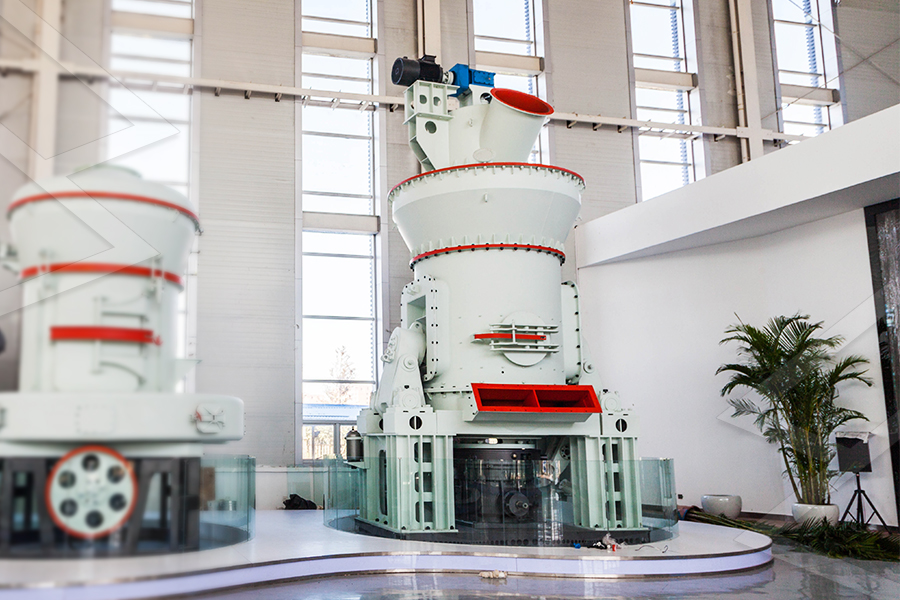
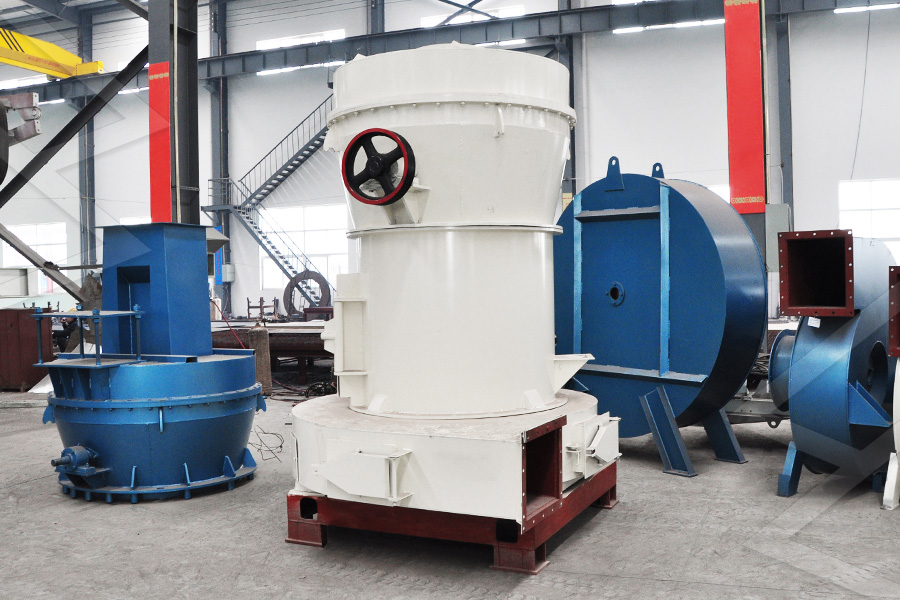
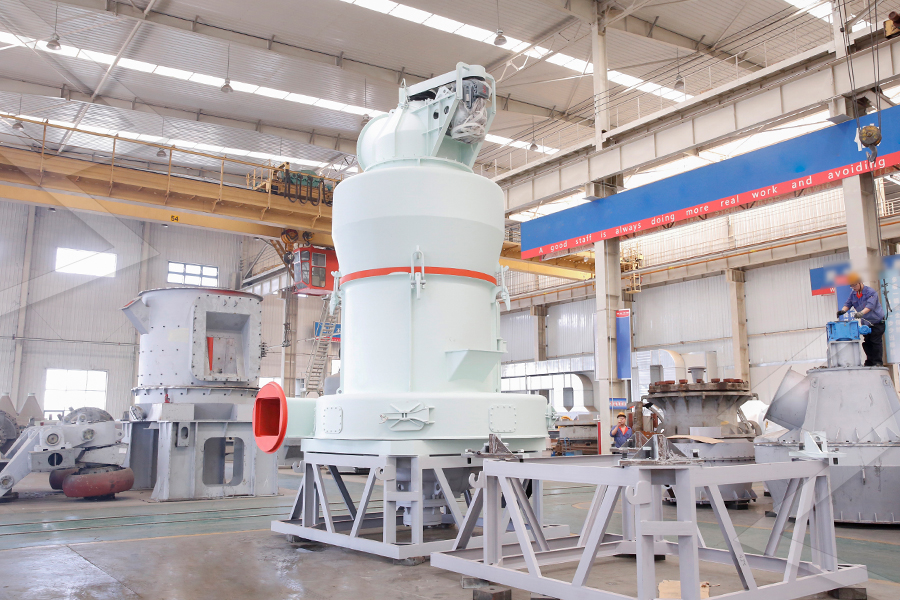
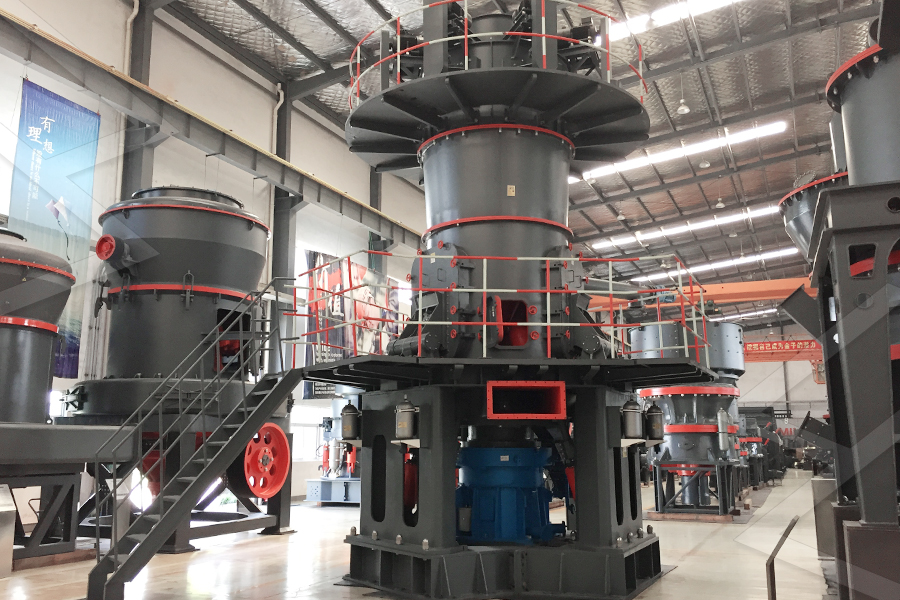
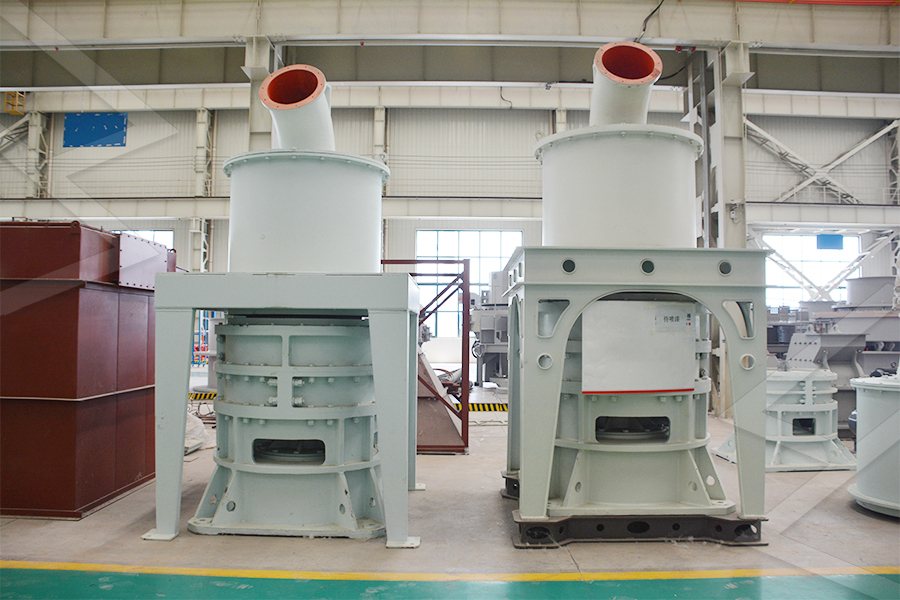
The integrated dynamic classifier of the LIMING vertical mill allows ceramic engineers to dial in the exact PSD required, often demanding very fine powders. The closed-circuit operation is vital here, as it recycles coarse grains and prevents the presence of oversized particles that could cause cracking or warping during firing.
The integrated dynamic classifier of the LIMING vertical mill allows ceramic engineers to dial in the exact PSD required, often demanding very fine powders. The closed-circuit operation is vital here, as it recycles coarse grains and prevents the presence of oversized particles that could cause cracking or warping during firing.
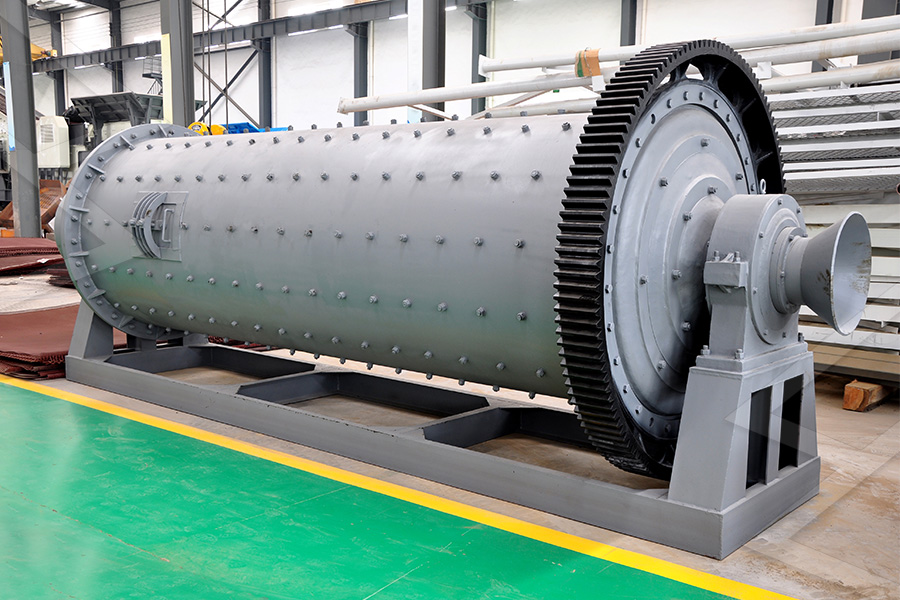
The grinding process for quartz is energy-intensive due to its hardness. The vertical mill's energy-efficient design, based on material-bed comminution, offers significant savings over traditional ball mills. Furthermore, the system's ability to handle capacities from 0.5 to 30 tph provides scalability for different production volumes.
Perhaps most importantly, the entire grinding chamber and airflow path can be designed to be airtight and operated under negative pressure, containing the silica dust—a critical safety and environmental consideration. By delivering a combination of purity, precise size control, energy efficiency, and safe operation, the LIMING vertical mill is more than a grinder; it is an enabler of the high-performance materials that form the basis of modern glass and ceramic products.
Perhaps most importantly, the entire grinding chamber and airflow path can be designed to be airtight and operated under negative pressure, containing the silica dust—a critical safety and environmental consideration. By delivering a combination of purity, precise size control, energy efficiency, and safe operation, the LIMING vertical mill is more than a grinder; it is an enabler of the high-performance materials that form the basis of modern glass and ceramic products.