Optimizing Fertilizer Production: Grinding Phosphate Rock with Vertical Mills
Phosphate rock is the primary source of phosphorus, an essential nutrient for global agriculture and the fundamental raw material for manufacturing phosphatic fertilizers like DAP (Diammonium Phosphate) and MAP (Monoammonium Phosphate).
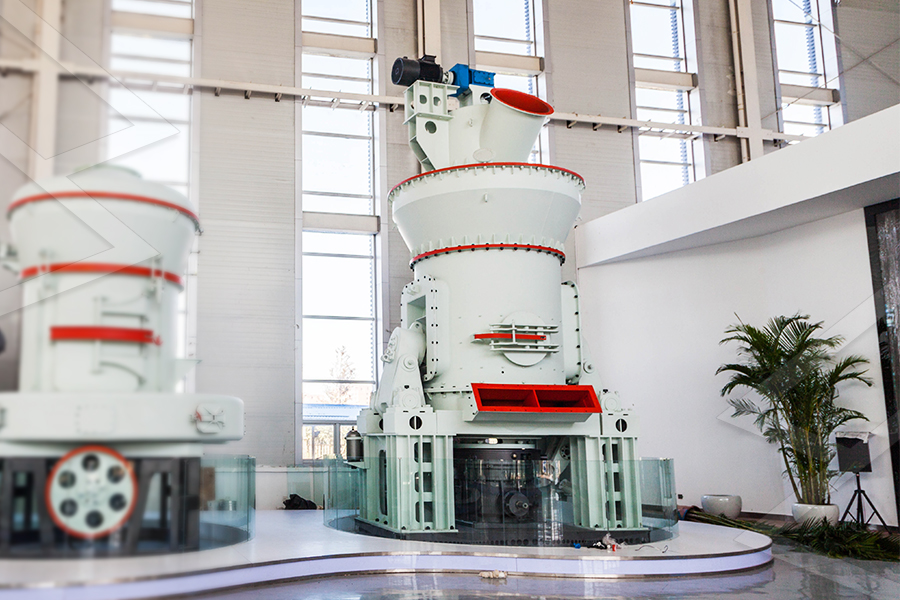
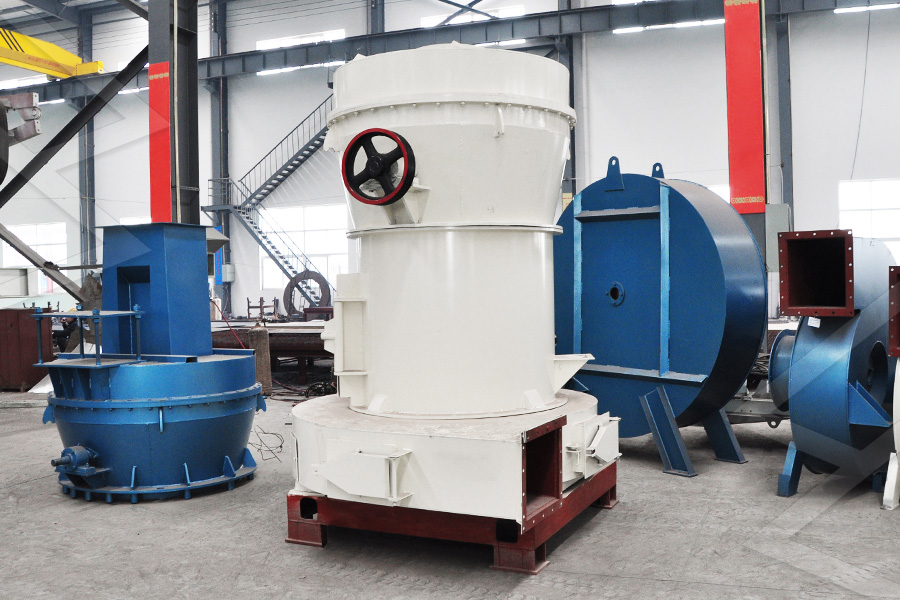
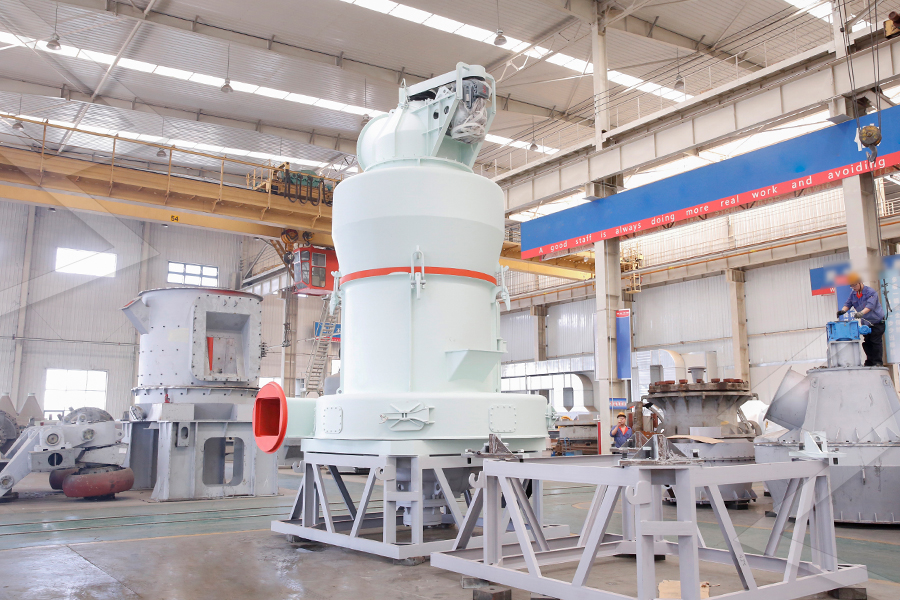
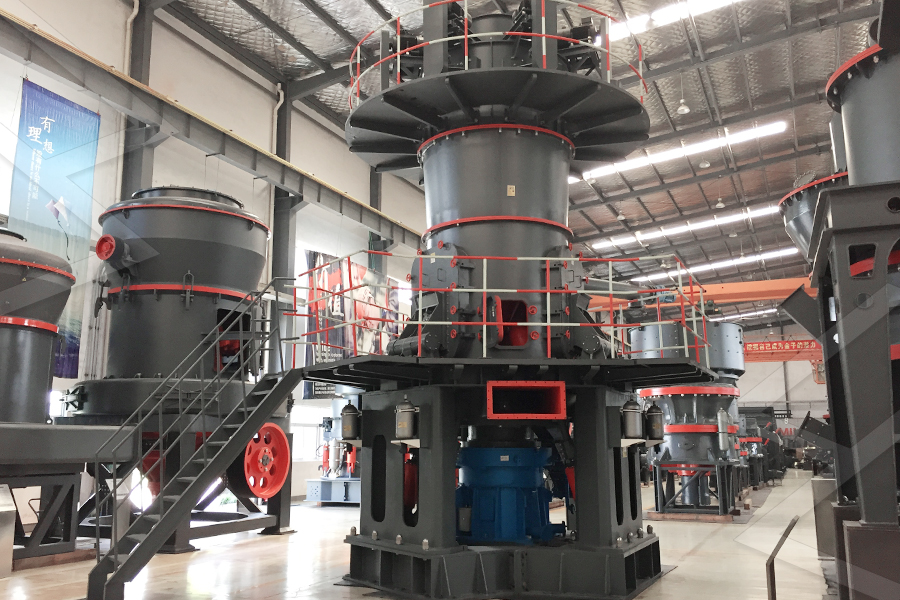
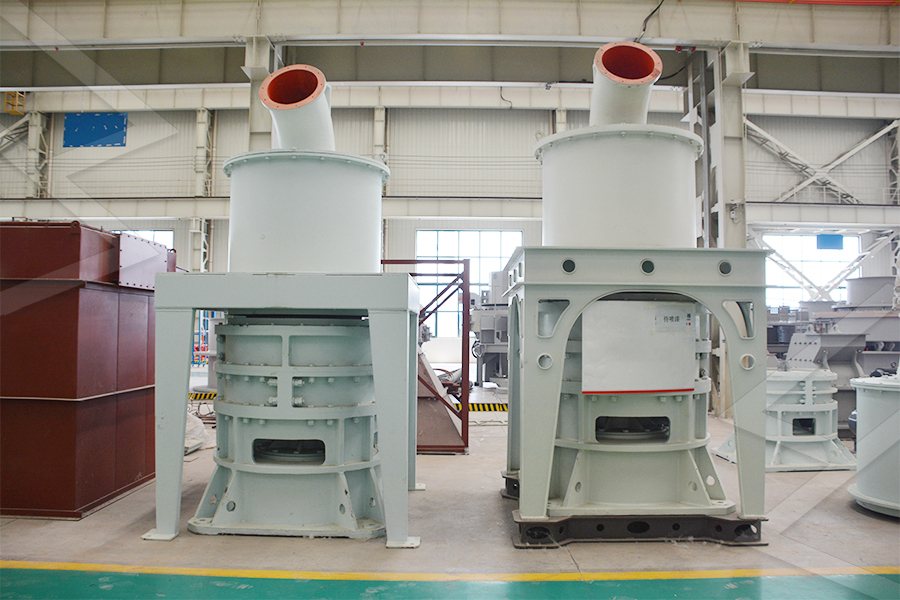
The efficiency of its beneficiation and chemical processing is heavily dependent on achieving a fine, uniform particle size. LIMING Heavy Industry's vertical grinding mill provides a robust, high-capacity solution for this critical size reduction step, directly contributing to more efficient fertilizer production.
The efficiency of its beneficiation and chemical processing is heavily dependent on achieving a fine, uniform particle size. LIMING Heavy Industry's vertical grinding mill provides a robust, high-capacity solution for this critical size reduction step, directly contributing to more efficient fertilizer production.
Prior to acidulation in the wet-process phosphoric acid plant, phosphate rock must be ground to a specific fineness to maximize the surface area for reaction. This typically requires a grind of 80-90% passing 100 mesh (150 microns) or finer. The vertical mill is ideally suited for this task due to its high grinding force and integrated drying capability.
Phosphate rock feed can often have surface moisture, and the hot gas stream in the VRM effectively dries the material during grinding, preventing clogging and ensuring smooth operation. The bed-compression grinding principle applies high pressure through hydraulically loaded rollers, efficiently fracturing the rock with lower energy consumption compared to traditional tube mills.
Phosphate rock feed can often have surface moisture, and the hot gas stream in the VRM effectively dries the material during grinding, preventing clogging and ensuring smooth operation. The bed-compression grinding principle applies high pressure through hydraulically loaded rollers, efficiently fracturing the rock with lower energy consumption compared to traditional tube mills.