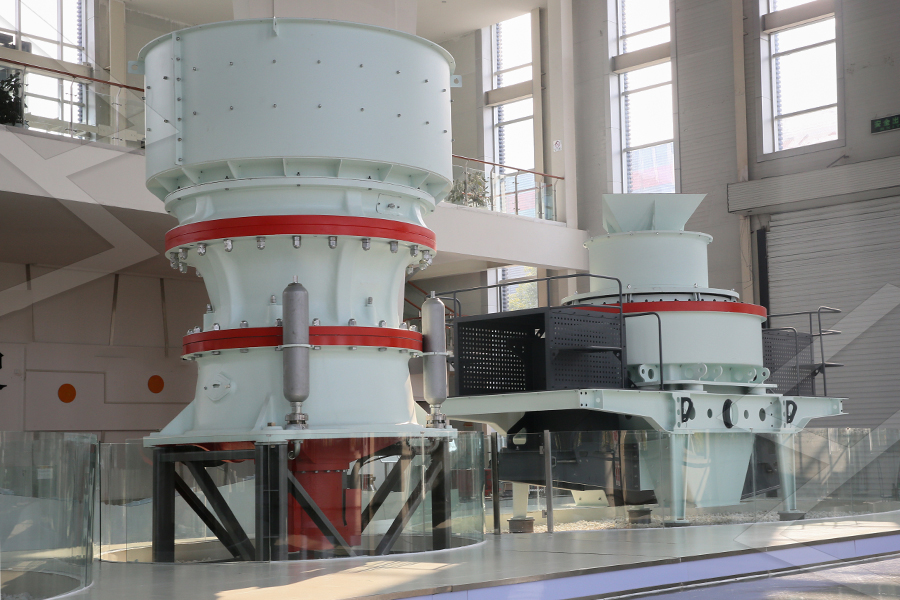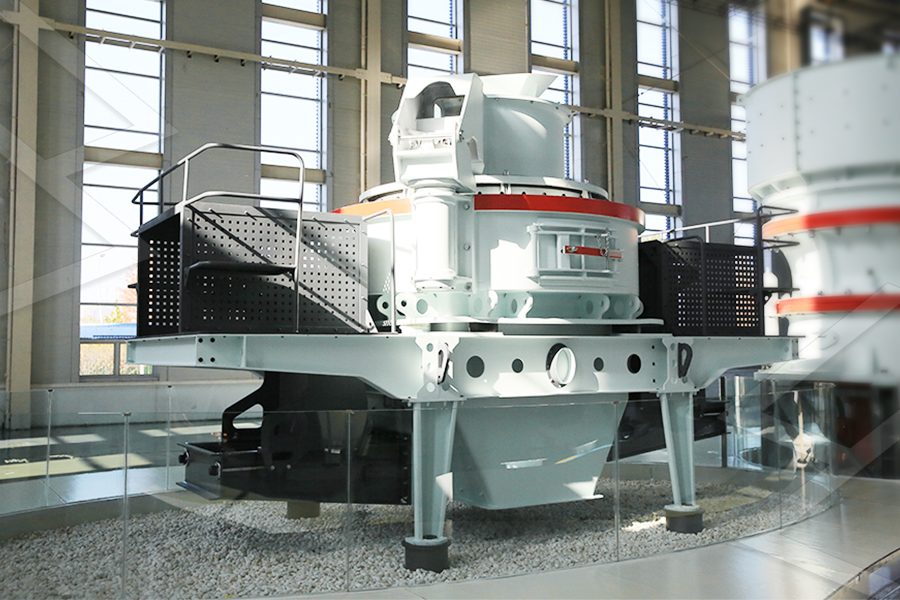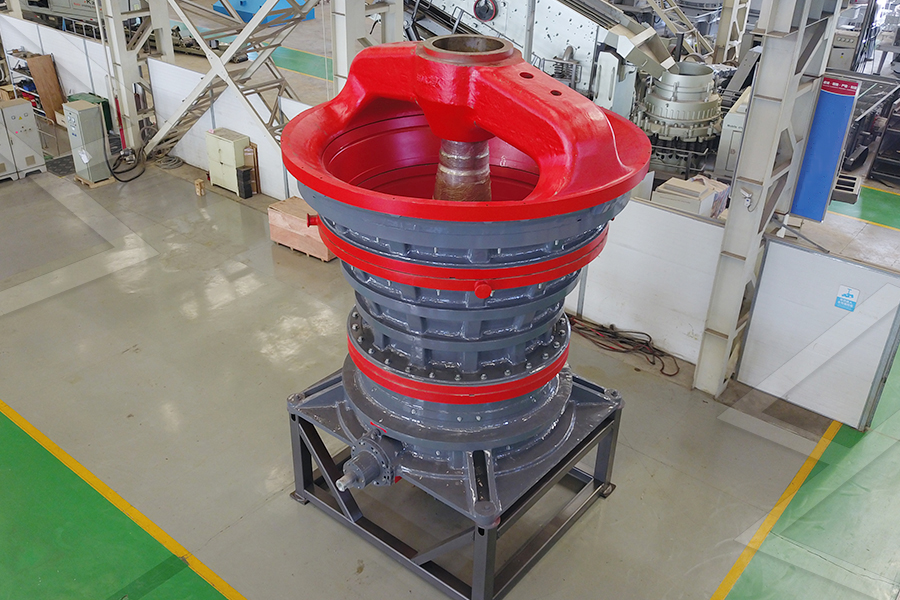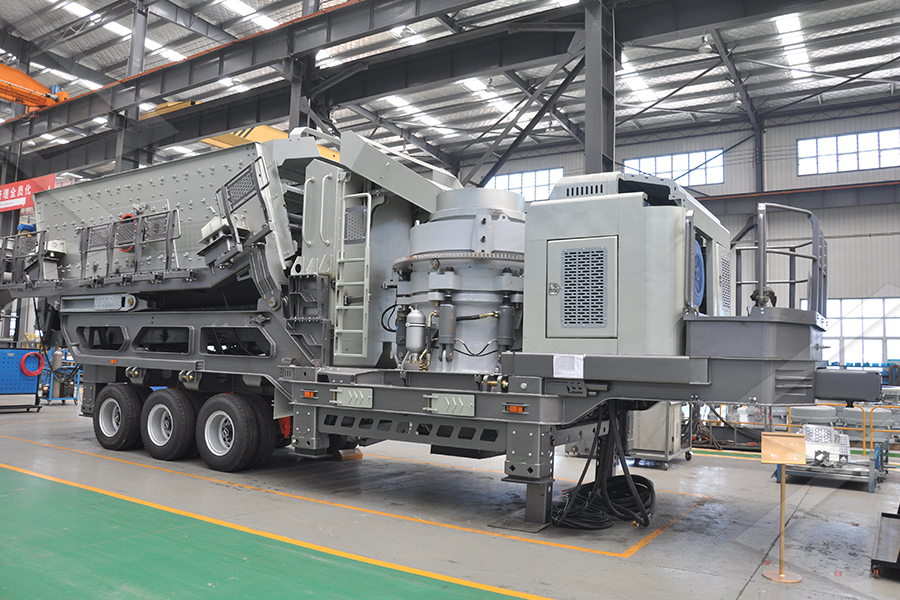
Equipment Technology and Process Impact:
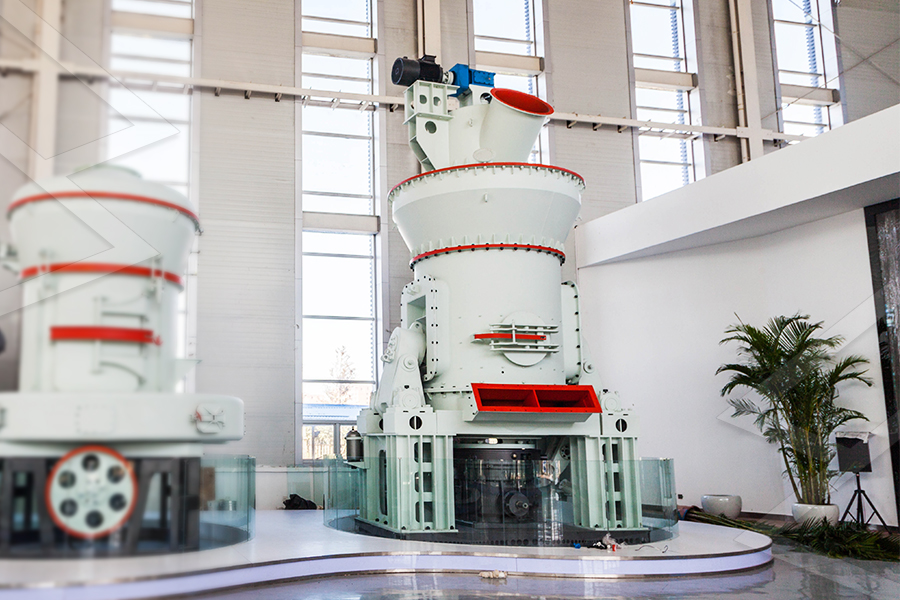
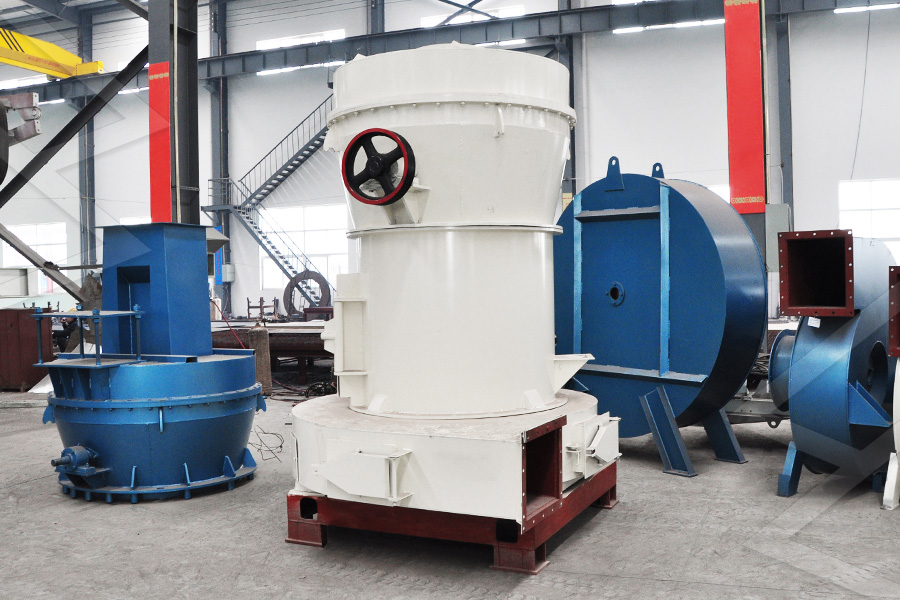
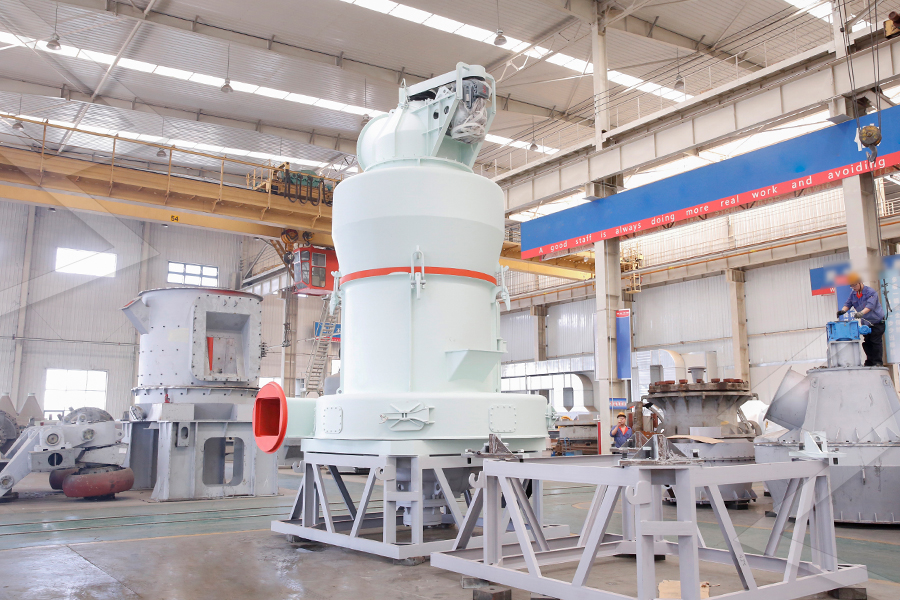
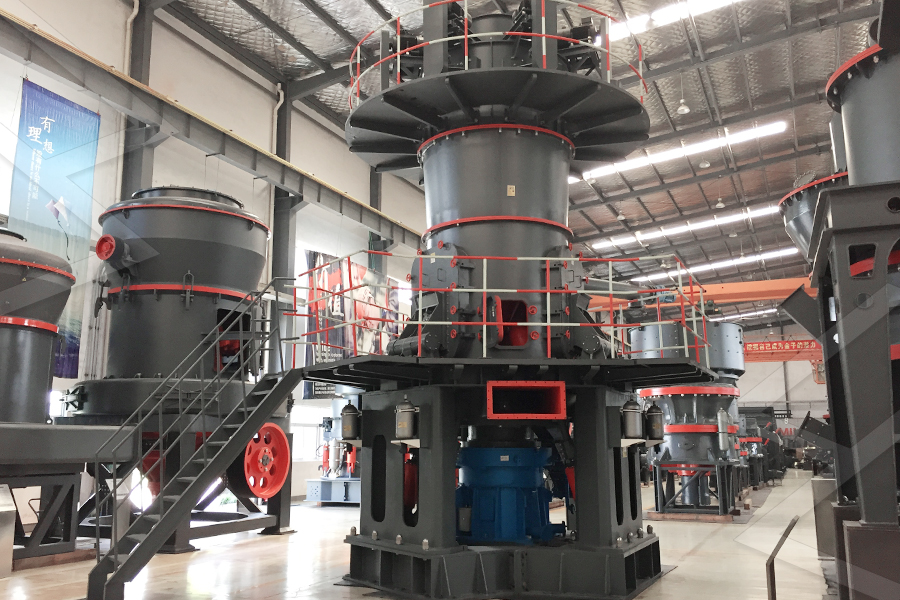
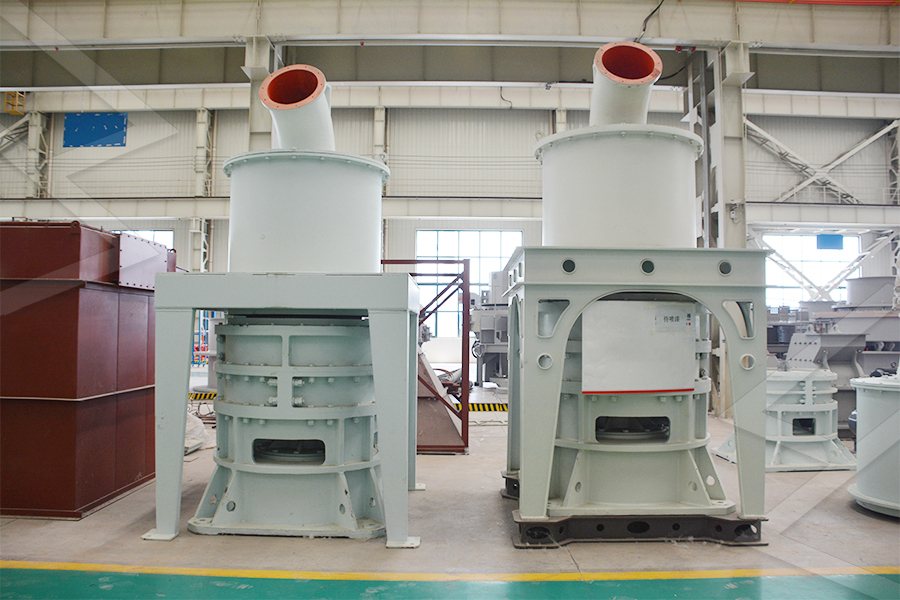
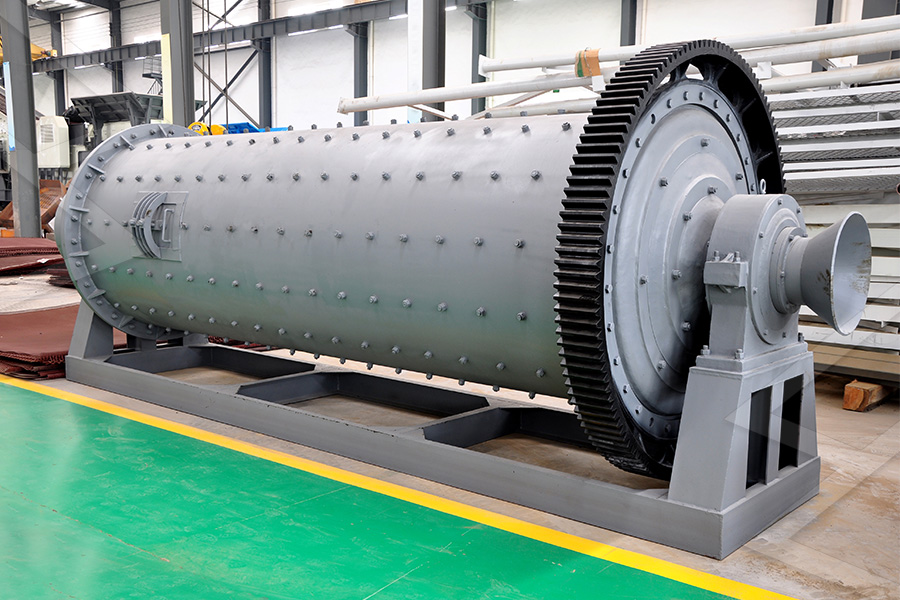
The choice and operation of the grinding mill are pivotal:
Liberation: The mill must produce a particle size where the copper mineral grains are sufficiently freed from the surrounding rock. Under-grinding leaves valuable minerals locked in composite particles, which will report to the tailings, reducing recovery. Over-grinding produces ultra-fine ("slimes") particles that are difficult to recover in flotation and increase reagent consumption.
Energy Efficiency: Comminution can consume over 50% of a concentrator's total energy. Modern designs like High-Pressure Grinding Rolls (HPGR) are being adopted as an energy-efficient alternative for hard ores, often in place of tertiary crushing or before the ball mill. Stirred Media Mills (vertical tower mills) are used for fine/ultra-fine grinding in some flowsheets for specific ore types.