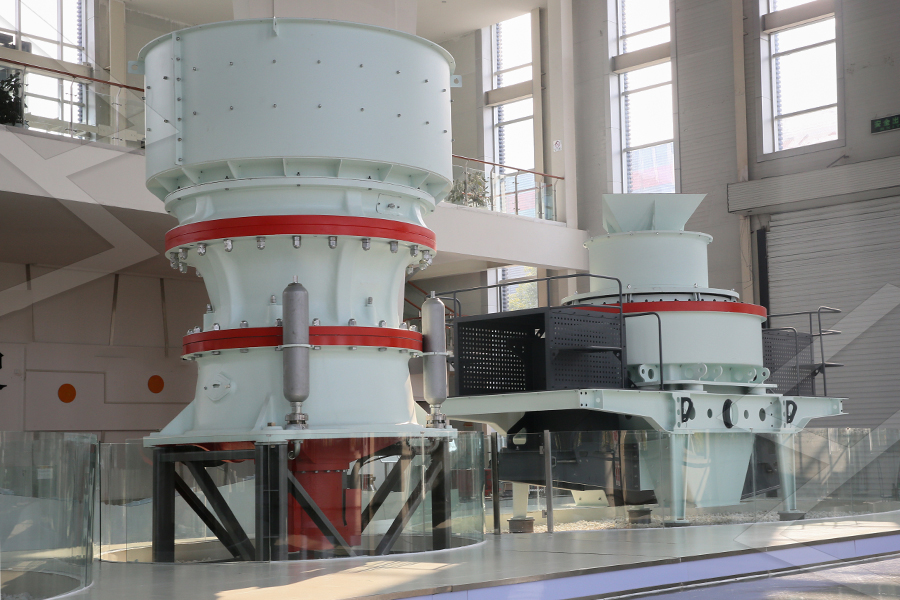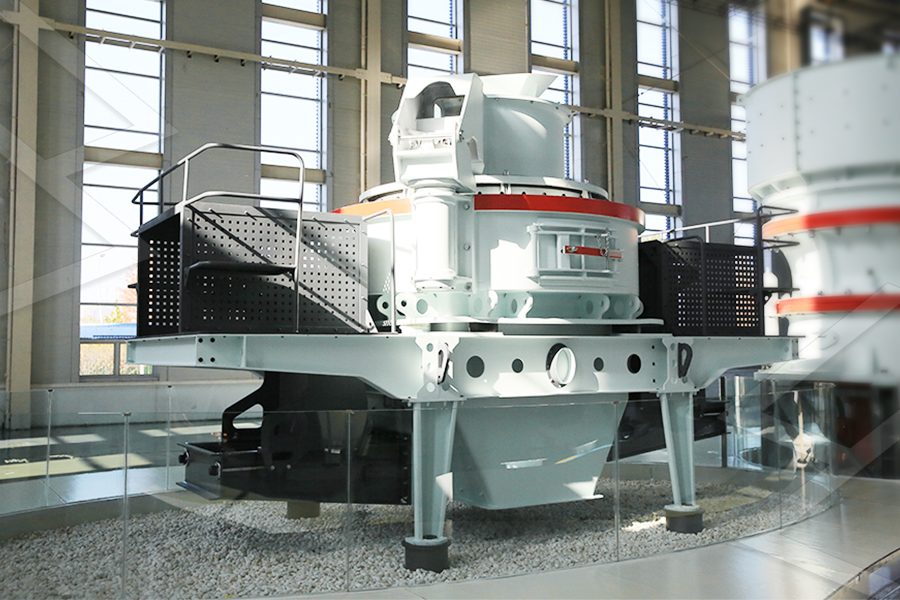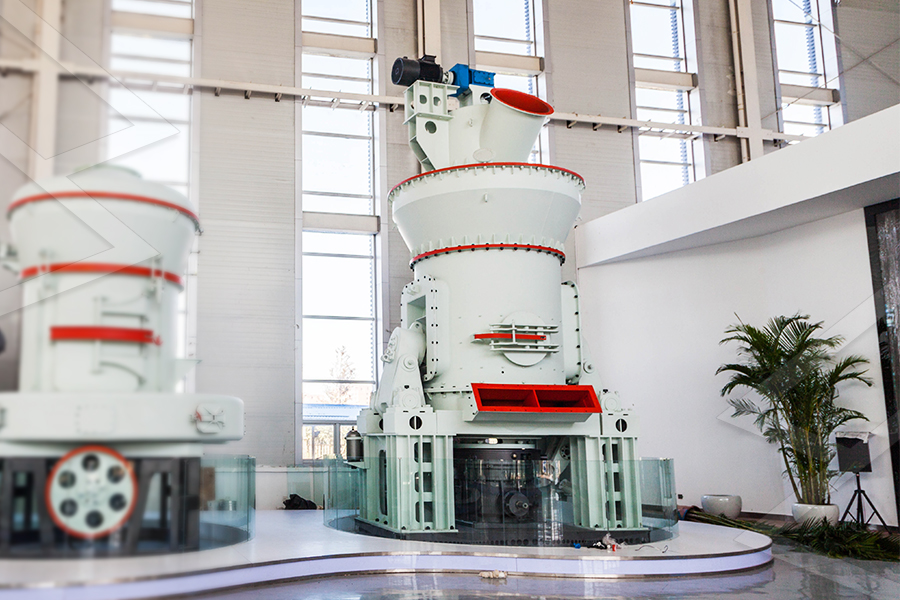
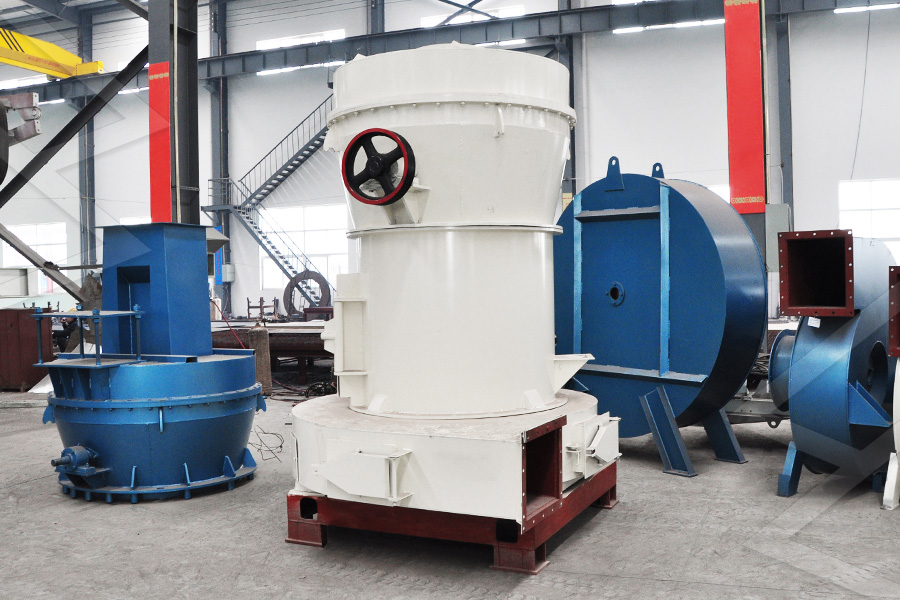
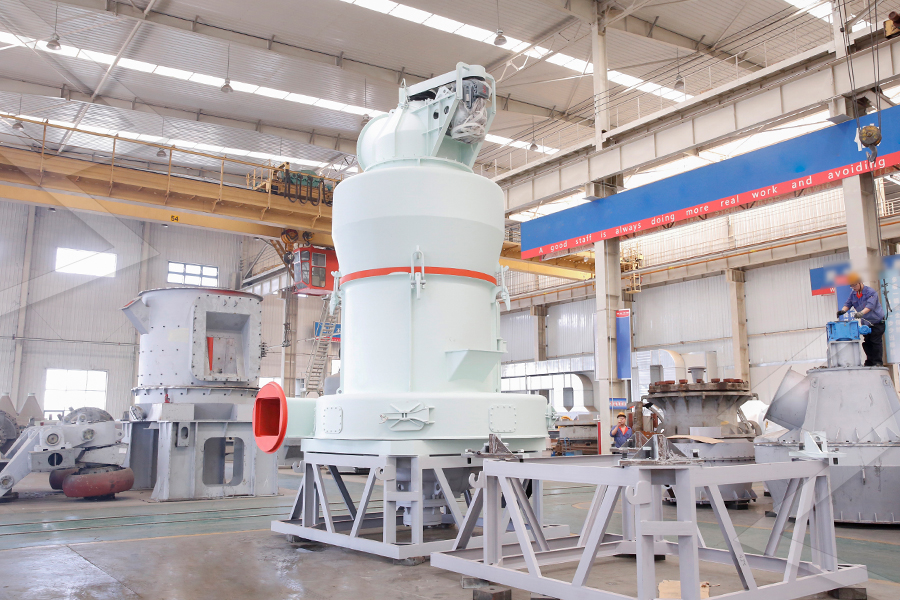
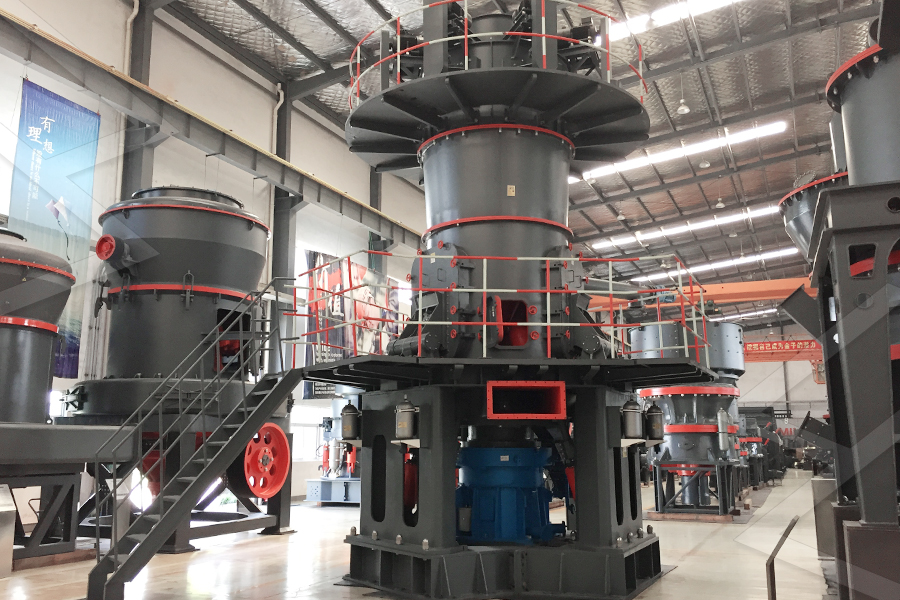
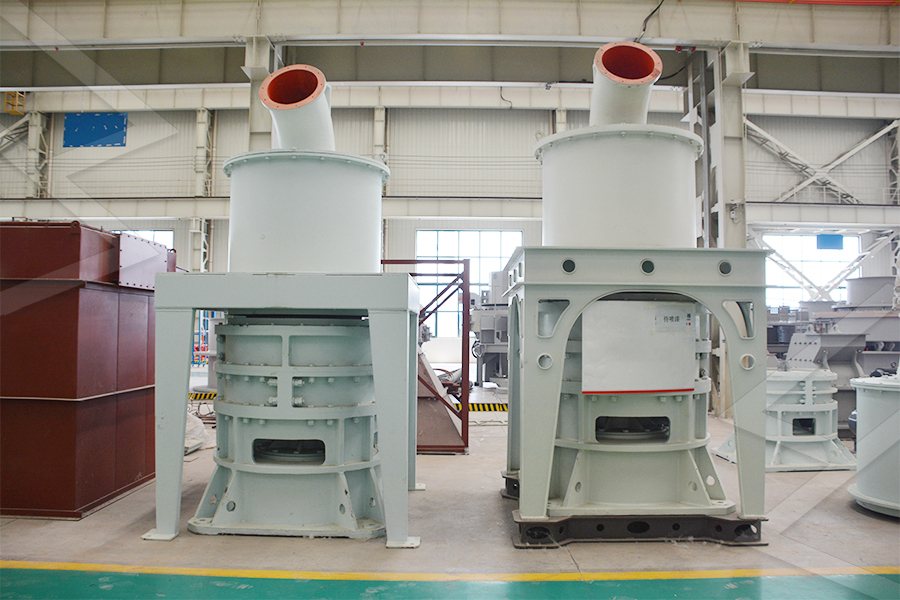
Raymond mill from a simple grinder into a controllable fine-powder processing system
Grinding Force (Hydraulic Pressure/Spring Tension): Increasing grinding pressure generally leads to a finer grind at a fixed classifier speed by reducing the feed size presented to the classifier. It must be optimized with feed rate to avoid overloading the motor.
System Airflow (Fan Speed/Damper): Airflow affects the particle residence time and transport velocity. An optimal, stable airflow is crucial. Too high a flow can "short-circuit" coarse particles; too low can cause over-grinding and mill congestion. It is often set in coordination with the classifier speed.
Feed Rate: A consistent and optimal feed rate is fundamental. An automated PID loop often controls the feeder speed based on mill motor amperage to maintain a stable grinding bed.
Advanced Control Systems: State-of-the-art mills incorporate PLCs that allow operators to set a target fineness (e.g., D97). The system automatically adjusts classifier speed and may coordinate feeder and fan to maintain this target, compensating for gradual wear. Some systems include online particle size analyzers for closed-loop feedback control.
These advancements have transformed the Raymond mill from a simple grinder into a controllable fine-powder processing system capable of meeting the tight specifications required in today's high-value additive and filler markets.