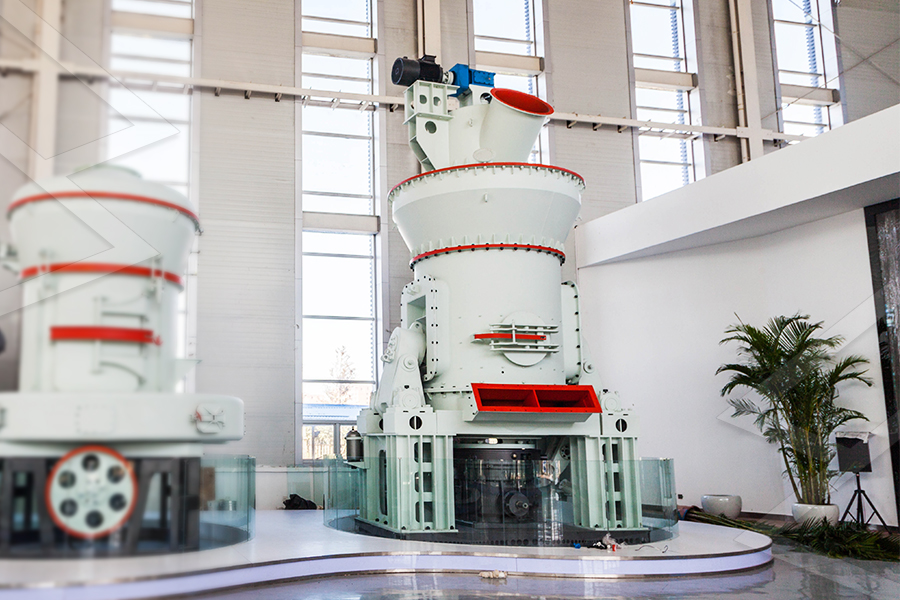
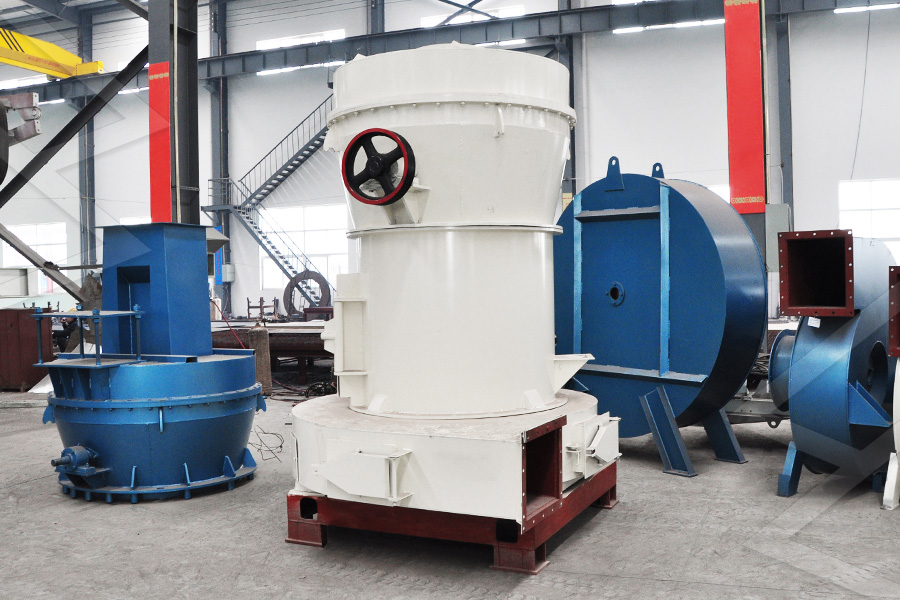
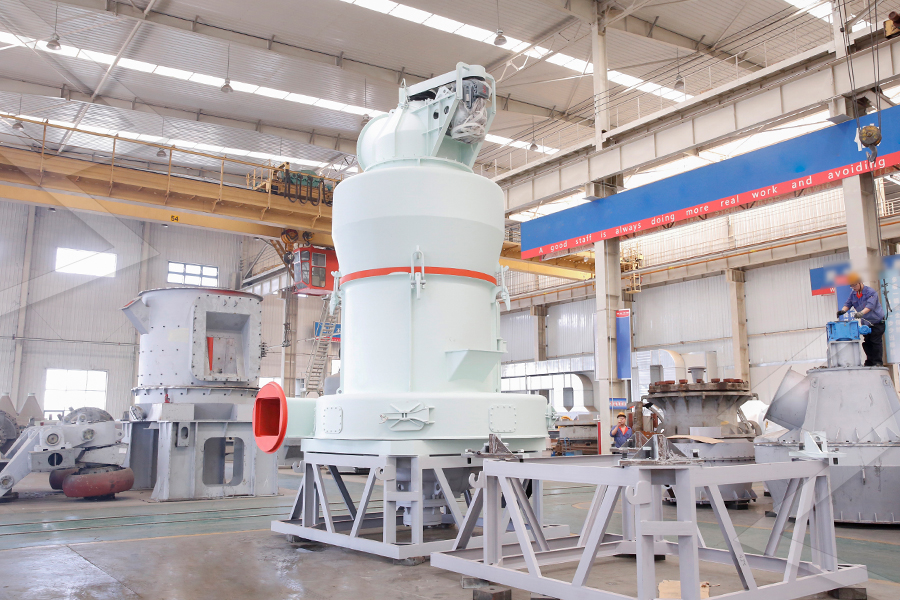
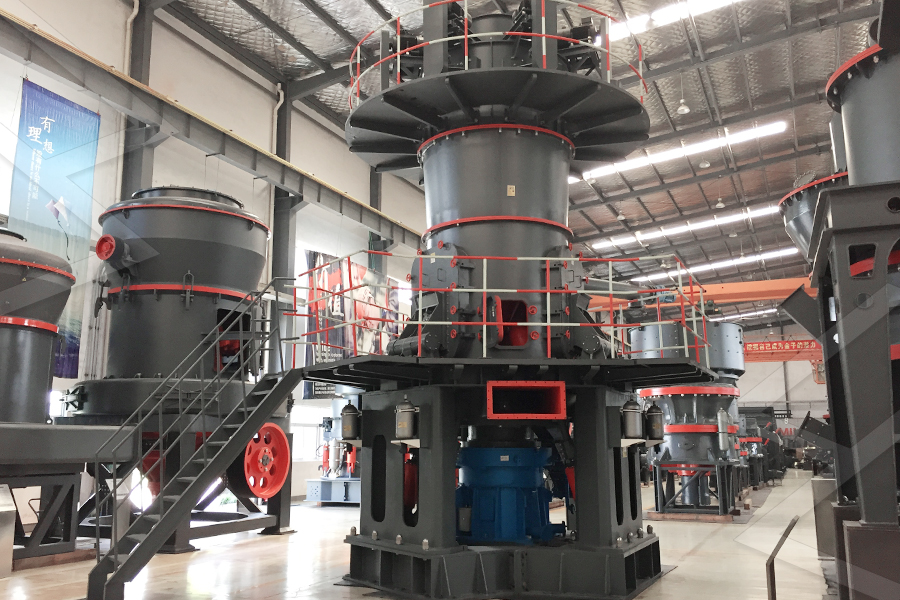
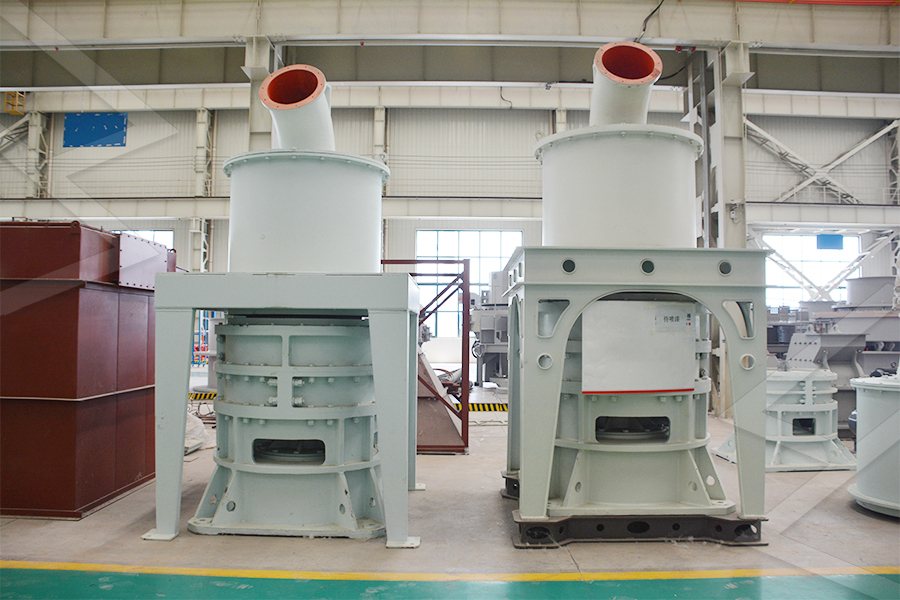
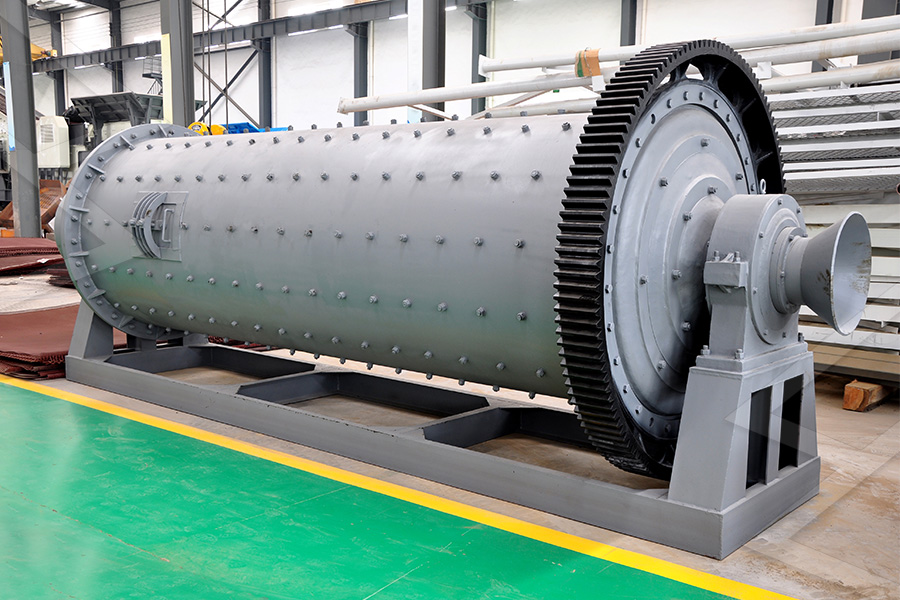
Check Drying Capacity: For wet feed, calculate the evaporation load (kg water/h). Compare this to the mill's drying capacity (a function of hot gas temperature and flow rate) from manufacturer data. The drying requirement often becomes the limiting factor for moist materials like slag or raw meal, possibly dictating a larger mill size than grinding power alone would suggest.
Review Application-Specific Features:
For Cement/Slag Grinding: Prioritize models with robust rollers and high-pressure grinding systems. Consider hydraulic system capabilities for roller lifting (for maintenance) and pressure control.
For Raw Meal Grinding: Drying capacity is key. Consider the need for a bypass system for volatile cycles.
For Coal/Pet Coke Grinding: Explosion safety features (inerting, pressure shock resistance), wear protection, and fire detection systems are mandatory selection criteria.
Compare System Offerings: Evaluate not just the mill, but the entire proposed system: feeder, mill, classifier, hot gas generator, bag filter, fan, and controls. Assess the projected specific power consumption (kWh/t), wear rate (g/t), and availability guarantees.
This manual process, often supported by proprietary manufacturer software, ensures the selected VRM is optimally sized to deliver the required product at the lowest total cost of ownership.