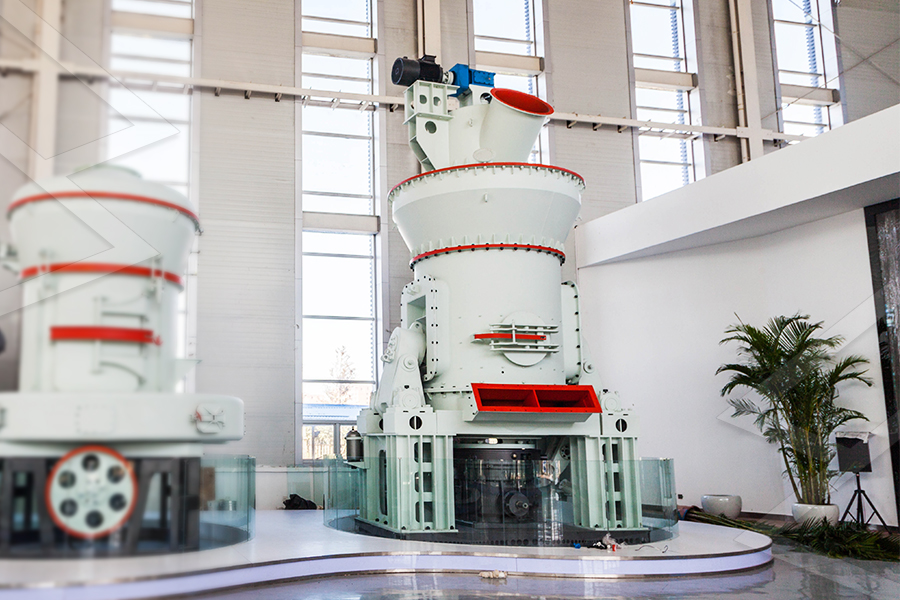
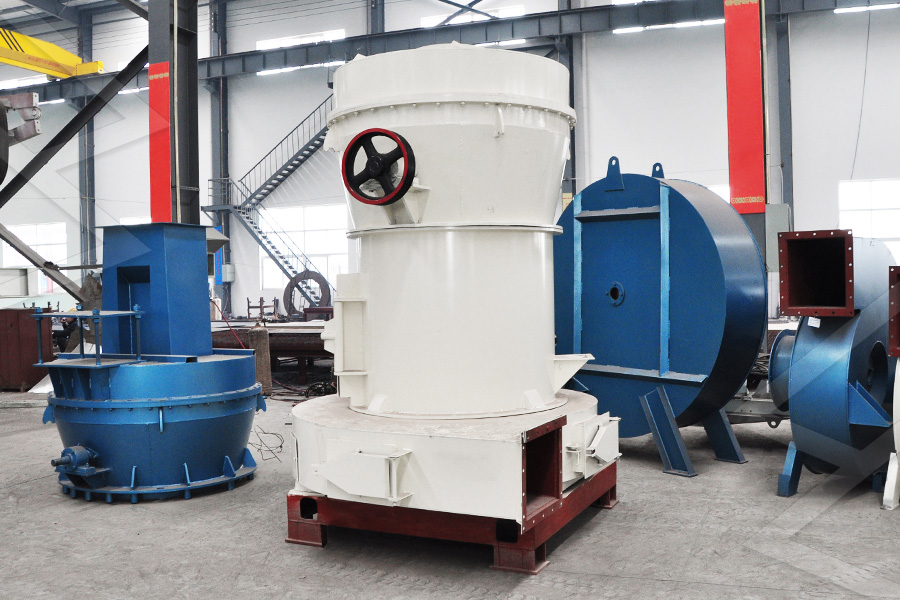
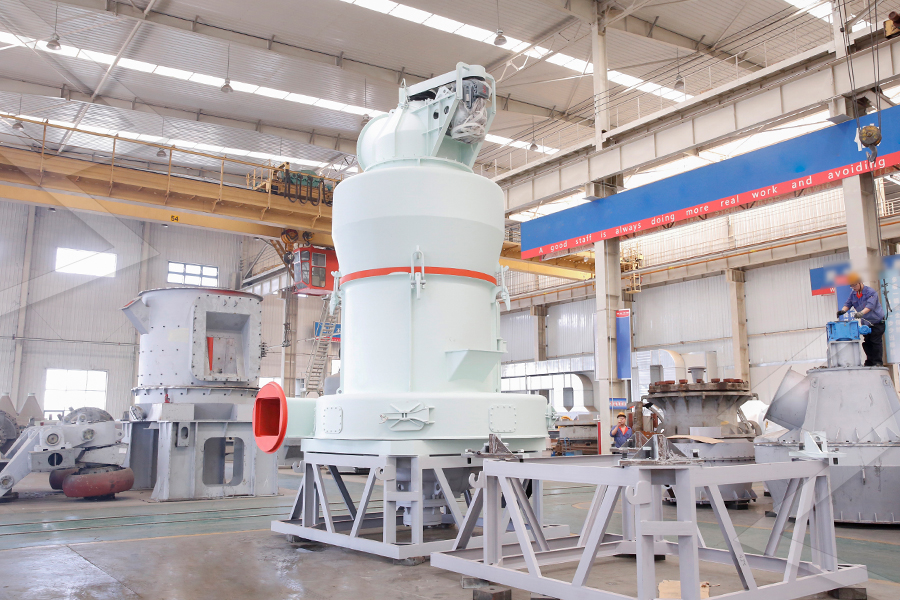
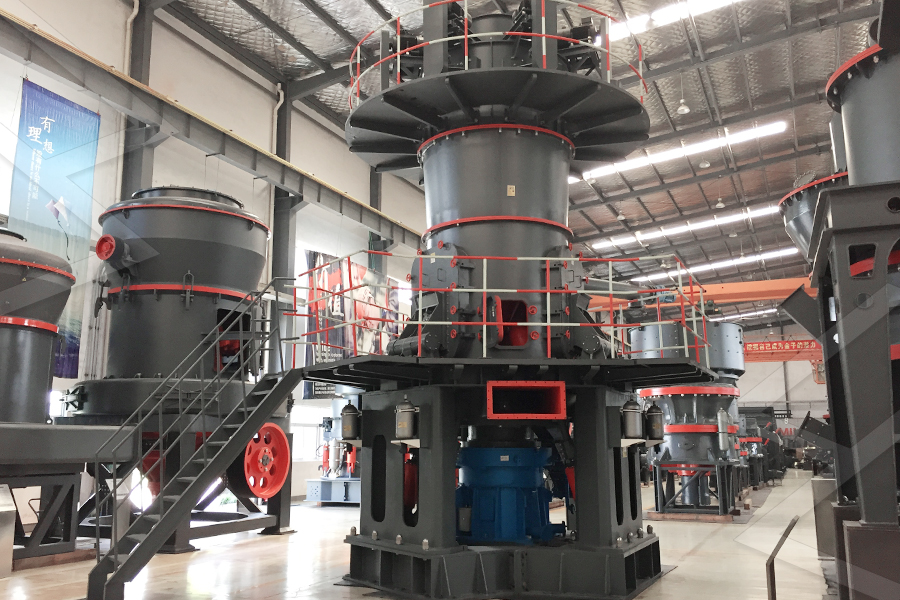
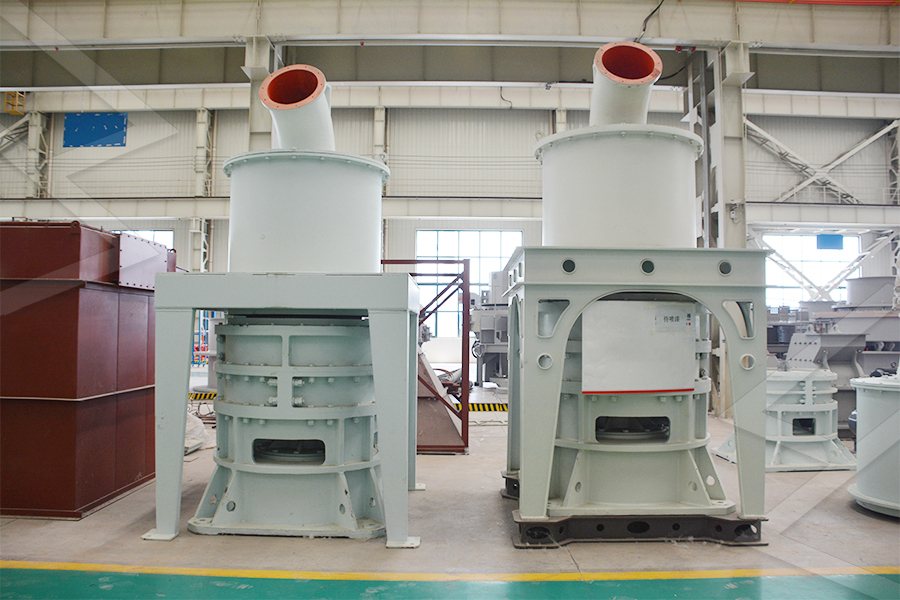
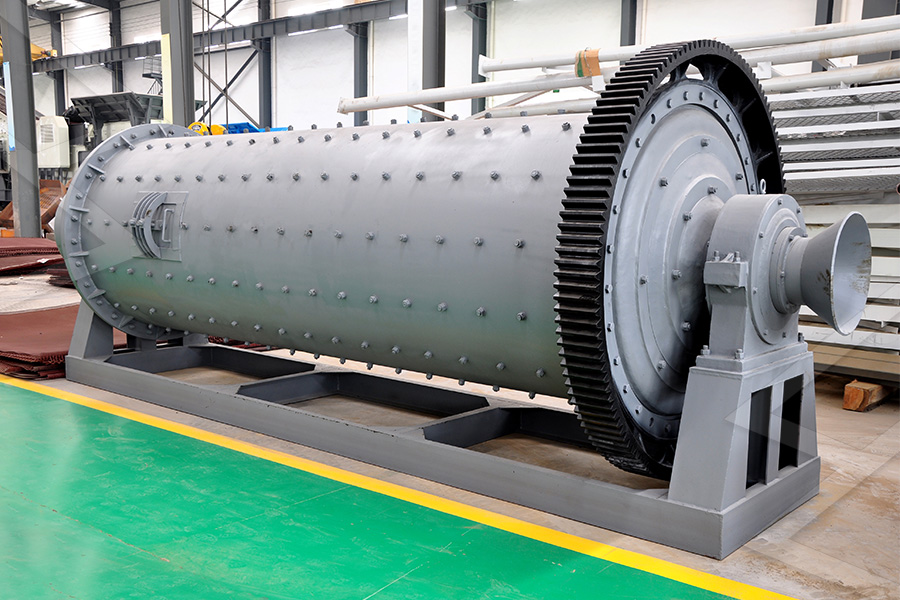
The grinding process itself directly influences the final product's reactivity. The objective is not merely to achieve a specific fineness (e.g., 400-550 m²/kg Blaine), but to produce particles with optimal morphology. The interparticle compression and shear in a vertical mill tend to produce micro-cracks and increase the surface energy of the slag particles, enhancing their reactivity when mixed with cement and water.
This is superior to simple impact crushing. The integrated classifier ensures a narrow particle size distribution, rejecting coarse particles back to the grinding table for further comminution. This closed-circuit operation within a single machine maximizes energy efficiency.
The resultant GGBS is a key component in sustainable concrete. When used as a partial replacement for Portland clinker (typically 20-70%), it significantly reduces the CO₂ footprint of concrete, improves long-term strength and durability (particularly against sulfate attack and chloride ingress), and reduces heat of hydration. Modern slag vertical mills are part of sophisticated plants that may include slag drying, metal separation, and final product storage and dispatch systems.
Their ability to handle variable feed rates and moisture levels while producing a consistent, high-quality product makes them the technological cornerstone for converting an industrial waste stream into a critical resource for green construction, supporting the circular economy model in heavy industry.
Their ability to handle variable feed rates and moisture levels while producing a consistent, high-quality product makes them the technological cornerstone for converting an industrial waste stream into a critical resource for green construction, supporting the circular economy model in heavy industry.