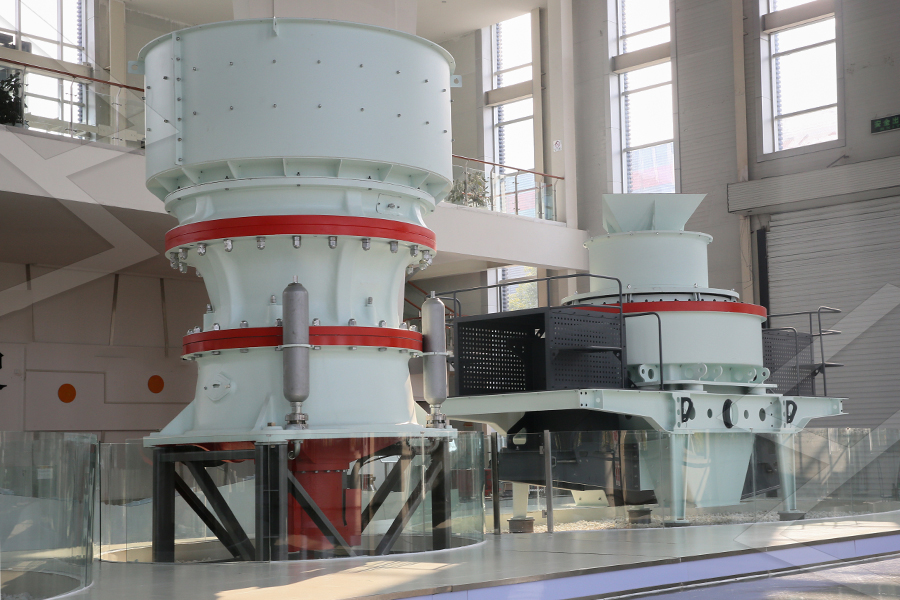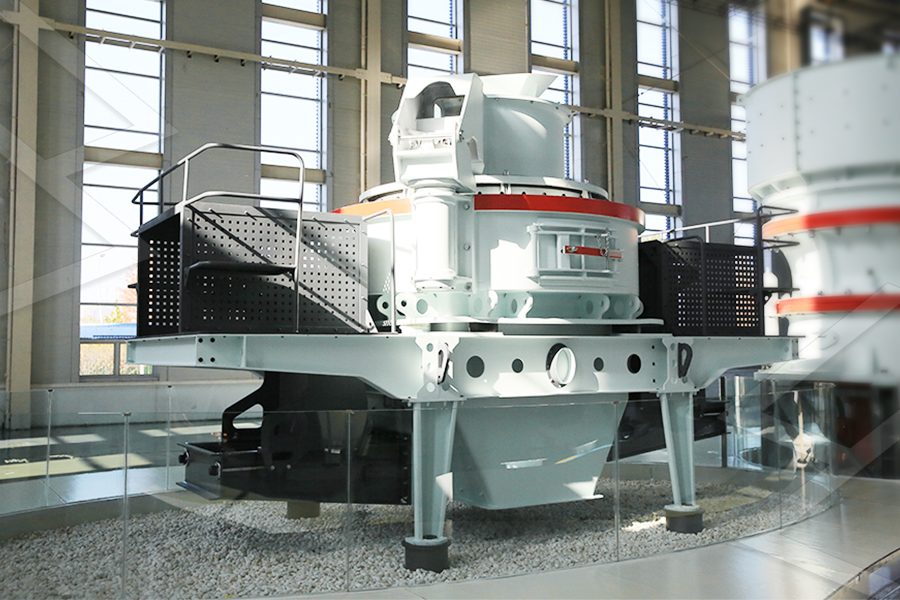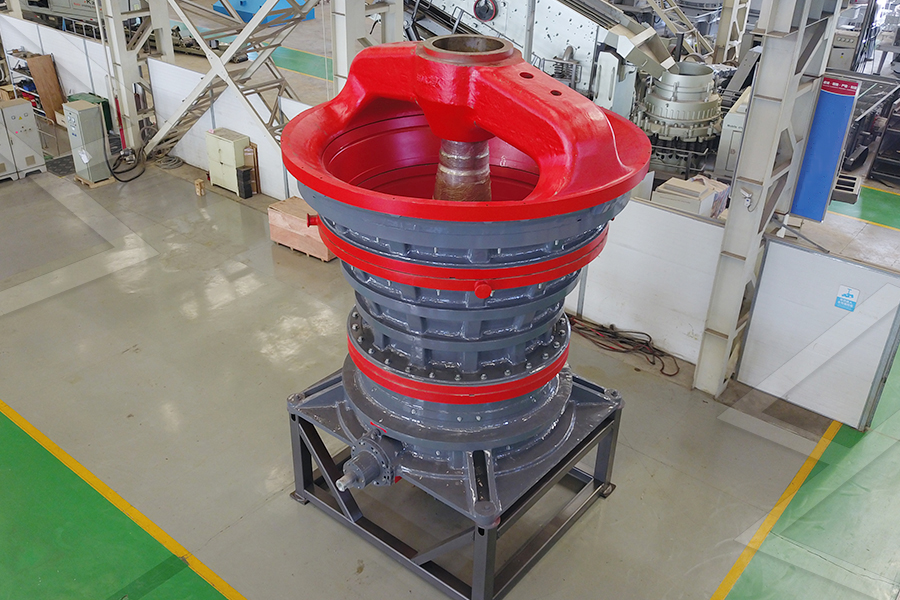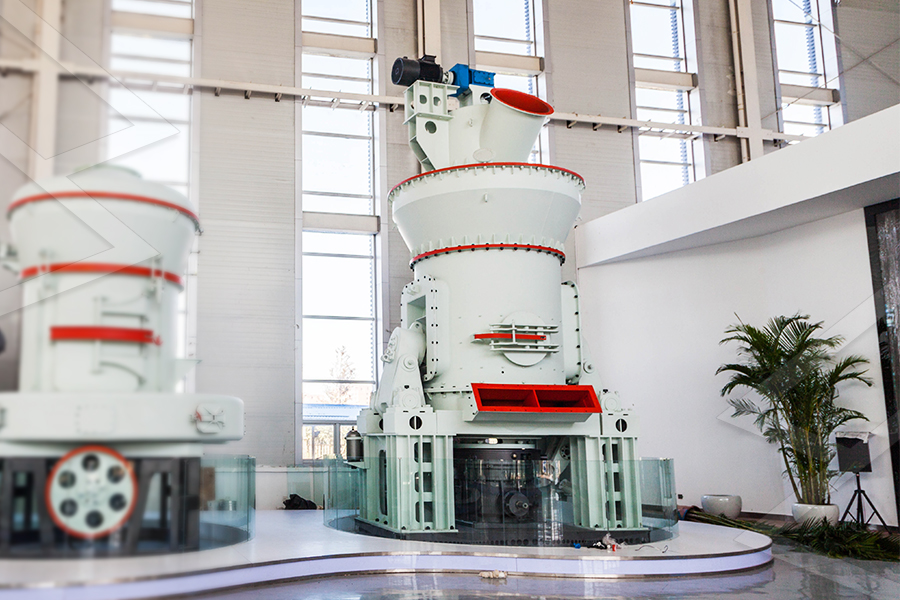
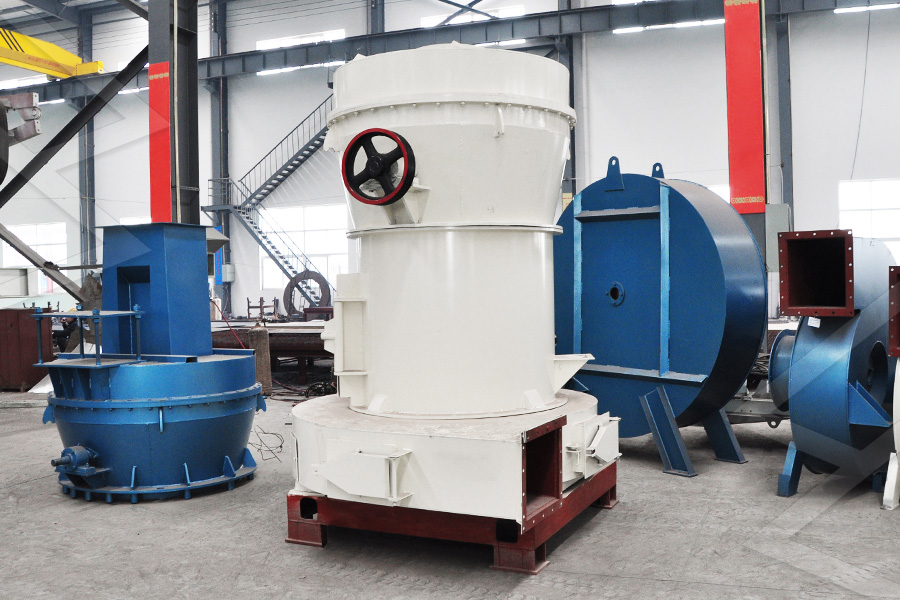
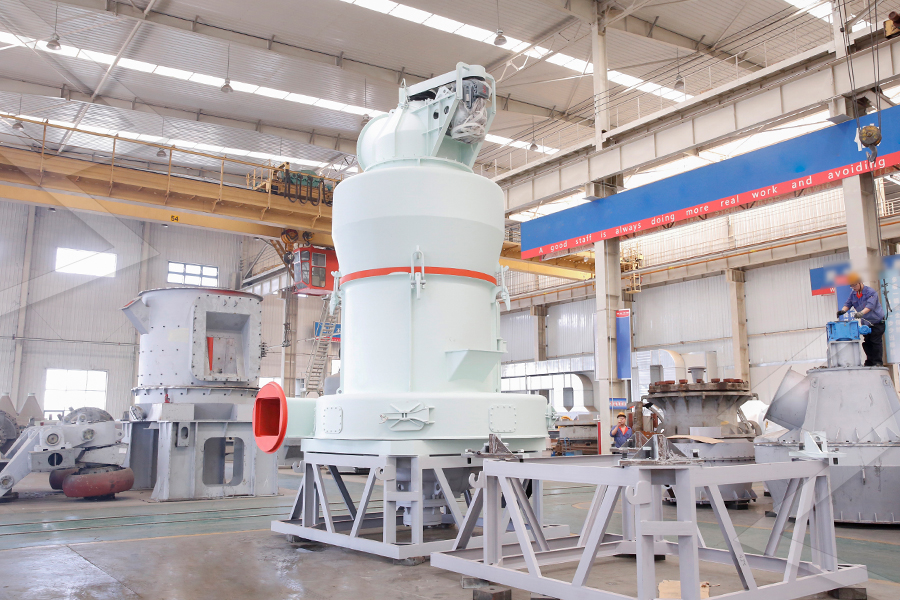
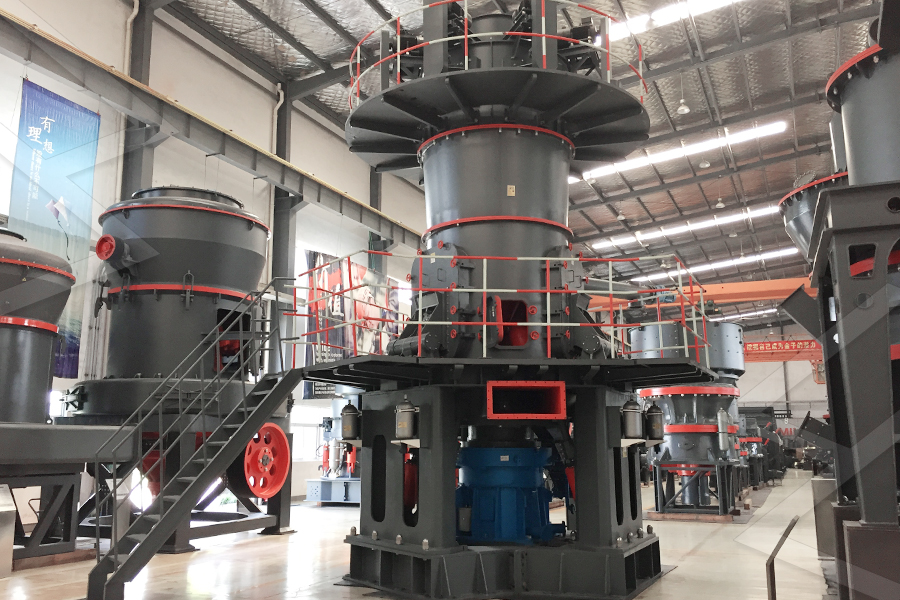
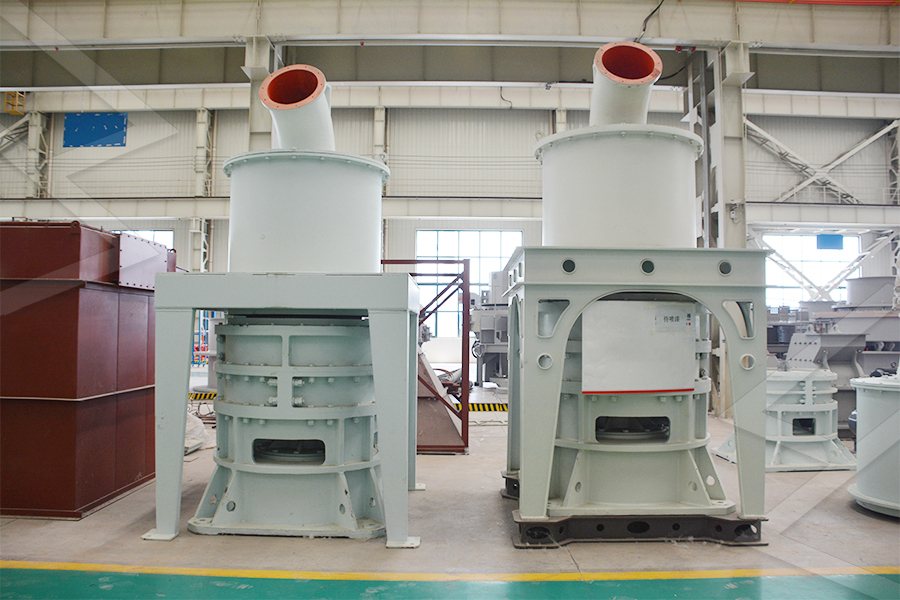
Ultra-fine vertical roller mill is a new type of efficient ultra-fine milling equipment, which is more and more widely used in kaolin milling. The equipment adopts advanced grinding technology and grading system, which can realize the ultra-fine grinding of kaolin with low energy consumption and high efficiency. The working process of ultra-fine vertical roller mill for kaolin milling is as follows: the raw kaolin is fed into the mill through the feeding system, and under the action of centrifugal force, it is evenly distributed on the grinding disc. The grinding roller presses the material on the grinding disc for grinding, and the air flow generated by the fan carries the ground material to the high-efficiency separator.
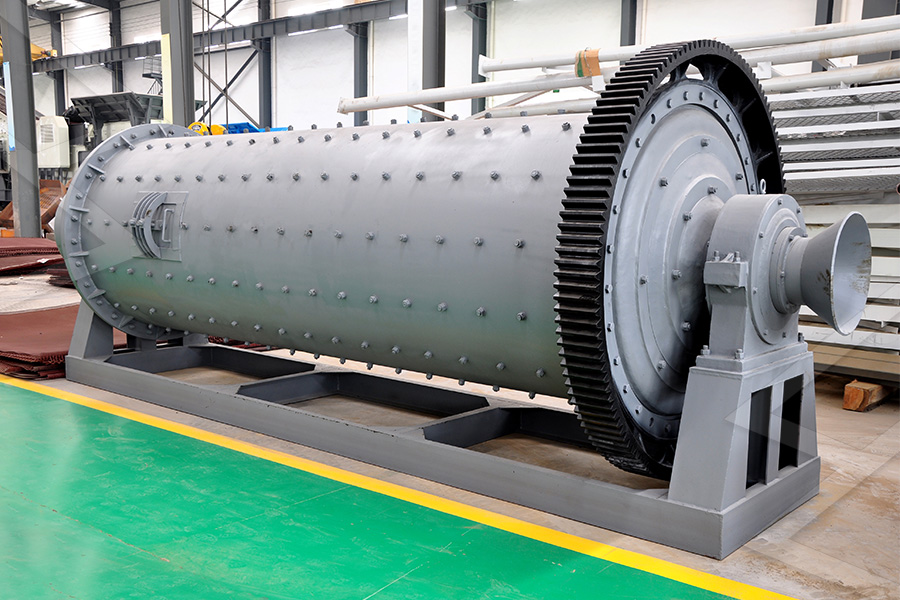
The separator rotates at a high speed to separate the material, and the 300mesh qualified powder is collected by the pulse dust collector. The ultra-fine vertical roller mill has the advantages of high production efficiency, low energy consumption, small floor area and good environmental protection performance. Its unit energy consumption is 40-50% lower than that of the ultra-fine ball mill, and the production capacity can reach 5-30 tons per hour.
The separator rotates at a high speed to separate the material, and the 300mesh qualified powder is collected by the pulse dust collector. The ultra-fine vertical roller mill has the advantages of high production efficiency, low energy consumption, small floor area and good environmental protection performance. Its unit energy consumption is 40-50% lower than that of the ultra-fine ball mill, and the production capacity can reach 5-30 tons per hour.
Product quality control is very important in the process of kaolin milling to 300mesh. First, the whiteness of kaolin powder should be controlled. The whiteness of 300mesh kaolin powder used in papermaking and coatings should be above 85%. Therefore, it is necessary to select high-quality raw kaolin and avoid the mixing of impurities. Second, the particle size distribution of the powder should be uniform. The advanced grading system of the ultra-fine milling equipment can ensure the uniformity of the particle size distribution. Third, the moisture content of the powder should be controlled below 2%, which can prevent the powder from agglomerating and affecting the use effect.
The 300mesh kaolin powder produced by ultra-fine milling equipment has a wide range of applications. In the papermaking industry, it can be used as a filler and coating pigment, which can improve the whiteness, smoothness and printability of paper; in the ceramic industry, it can be used as a raw material for ceramic bodies and glazes, which can improve the plasticity and sintering performance of ceramics; in the coating industry, it can be used as a filler, which can improve the coverage and weather resistance of coatings.