Grinding of Lignite Coal with Bowl Mills for 200 Mesh Particle Size
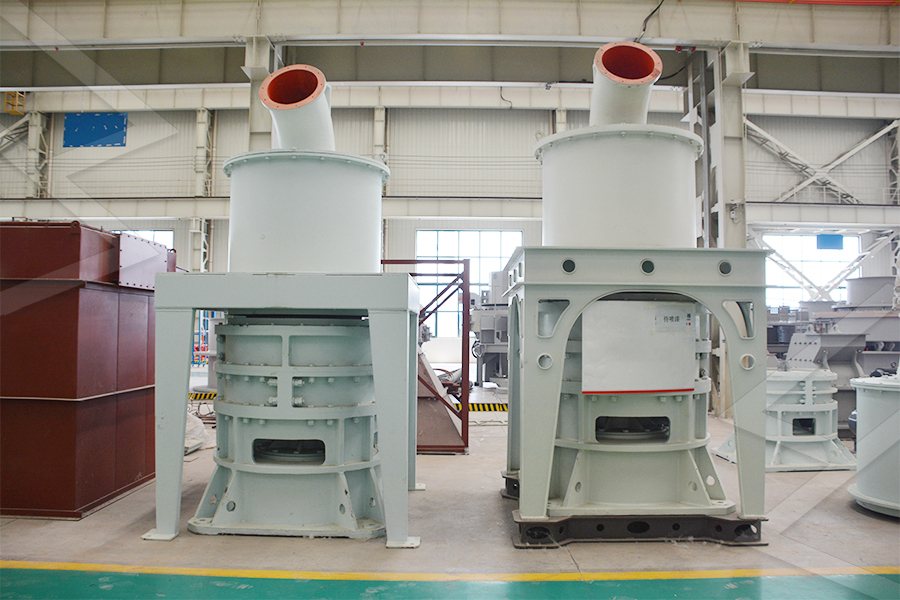
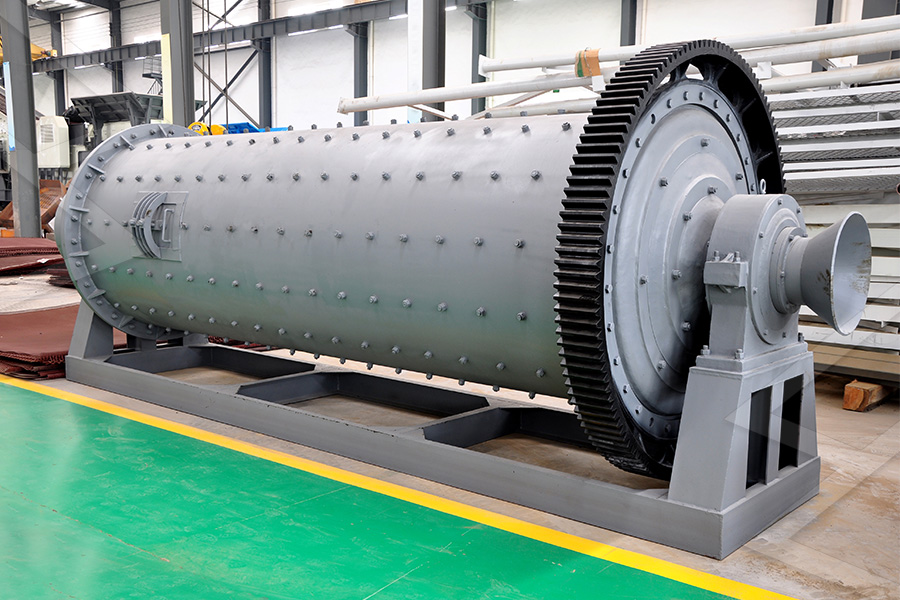
Lignite, commonly known as brown coal, is one of the lowest-ranked coals, primarily used for power generation. Lignite has a high moisture content and lower calorific value, which presents challenges for its efficient combustion in power plants. To overcome these challenges, it is essential to reduce the particle size of lignite, making it more suitable for burning. A bowl mill, which is a type of coal pulverizer, can be used to grind lignite to the desired 200 mesh particle size.
Bowl mills are particularly effective for lignite because of their ability to process large quantities of material and deliver consistent particle sizes. In the case of lignite coal, a 200 mesh powder ensures that the material is finely ground and can be easily combusted in boilers. The ability to reduce lignite to this fine particle size increases its surface area, allowing it to burn more efficiently and reduce emissions.
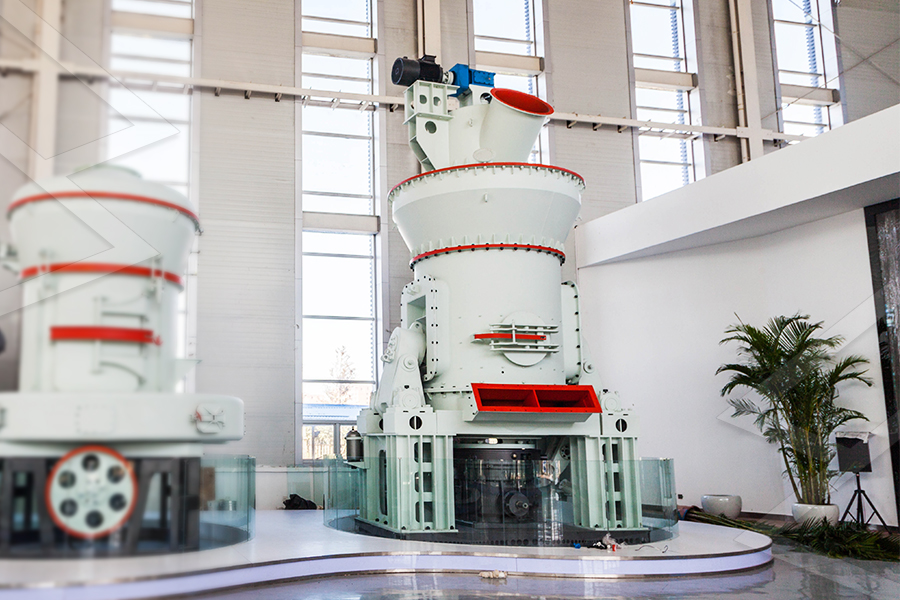
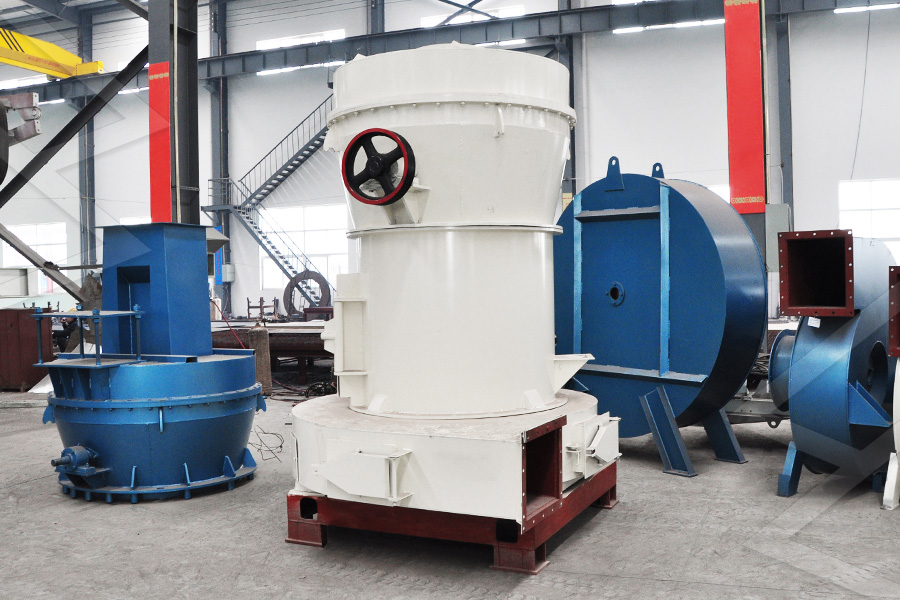
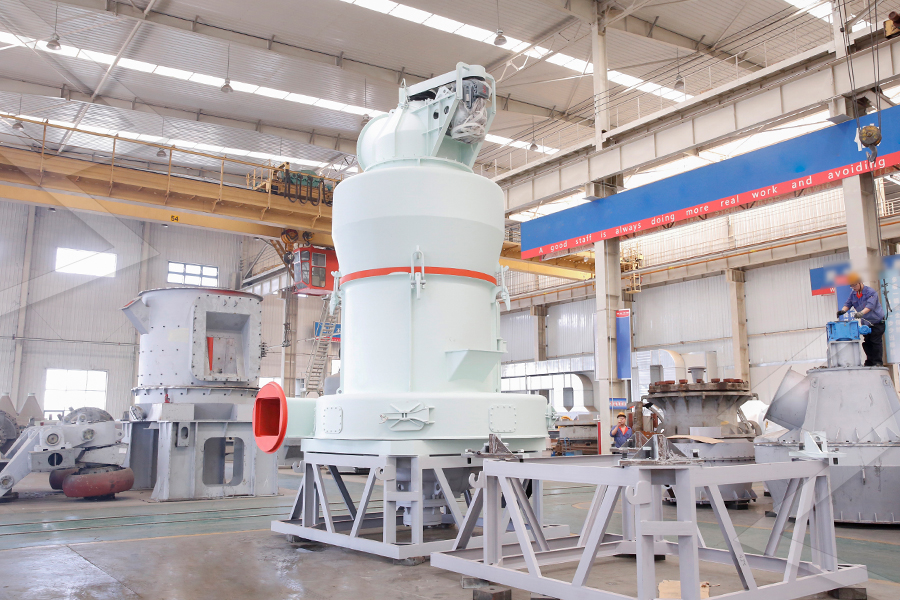
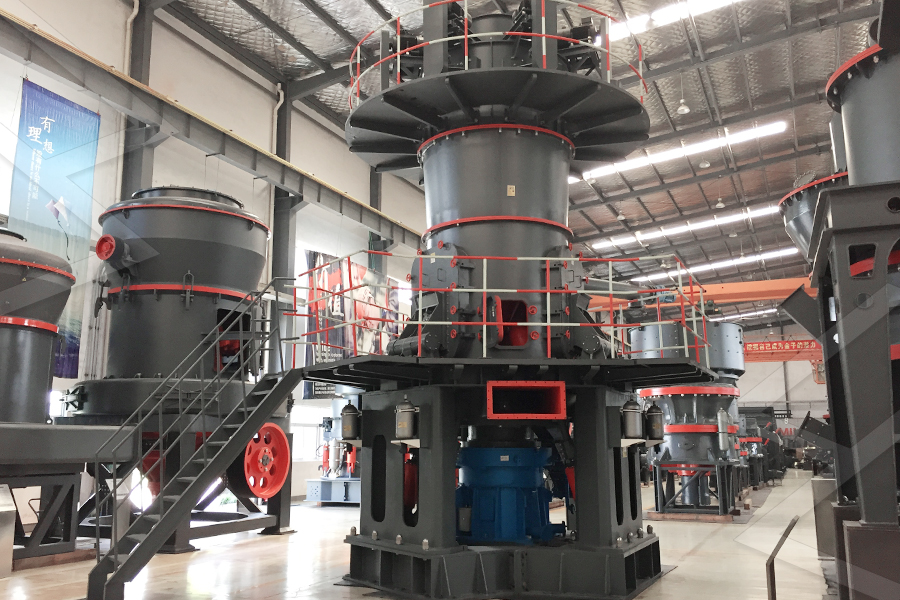
Bowl mills work by utilizing a rotating table and grinding rolls to crush and grind the coal. The design of the mill allows for a continuous supply of material into the grinding zone, ensuring uniformity in particle size. This design also minimizes wear and tear on the grinding components, leading to longer service life and reduced maintenance requirements.
The key benefits of using bowl mills for lignite coal grinding are energy efficiency, high throughput, and low operational costs. Bowl mills can process lignite at capacities ranging from 0.5 tph to 30 tph, allowing for flexible production options. Additionally, the fine 200 mesh powder produced by the bowl mill ensures that lignite is optimally prepared for combustion, leading to improved efficiency in power generation.
In conclusion, bowl mills provide an effective solution for grinding lignite coal to 200 mesh size. The combination of efficiency, low maintenance, and consistent particle size makes bowl mills a preferred choice for lignite processing in power plants.