The Impact of Grinding Roller Design on the Performance of Vertical Mills
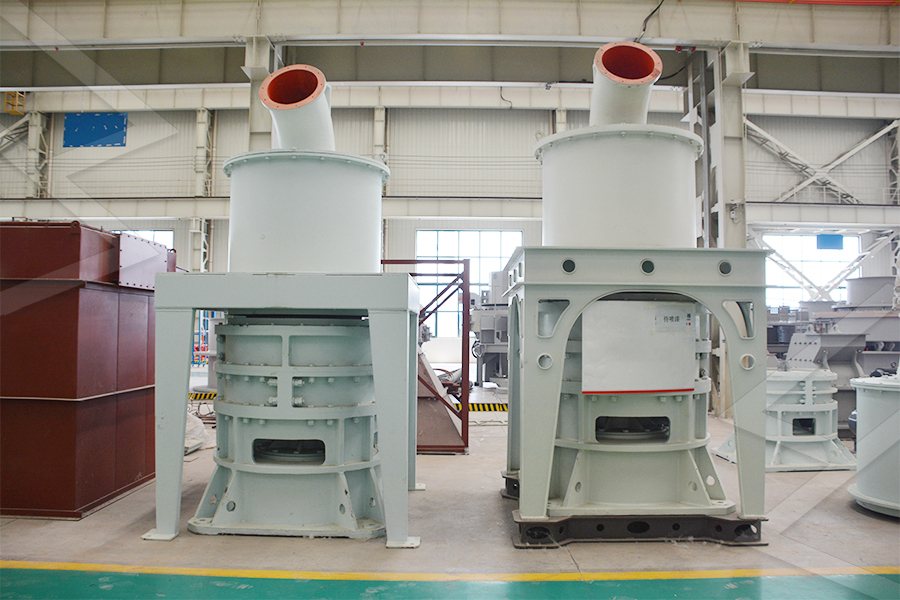
The grinding roller is one of the core components of vertical mills, and its design directly affects the grinding efficiency, product quality, and service life of the mill. Over the years, continuous improvements in grinding roller design have significantly enhanced the performance of vertical mills.
The shape of the grinding roller is a key design factor. Early vertical mills used cylindrical grinding rollers, which had limited contact area with the grinding table. Modern vertical mills, however, adopt conical or spherical grinding rollers. These shapes increase the contact area between the roller and the material, allowing for more efficient grinding. For example, conical grinding rollers create a larger grinding zone, ensuring that materials are fully crushed as they move from the center to the edge of the grinding table.
The surface texture of the grinding roller also plays an important role. Smooth-surfaced rollers are suitable for grinding soft materials, as they minimize material adhesion. For hard and abrasive materials, grinding rollers with a grooved or textured surface are preferred. The grooves or textures increase the friction between the roller and the material, preventing slippage and improving grinding efficiency. Additionally, the textured surface helps to break up agglomerated materials, ensuring uniform grinding.
Another critical aspect is the suspension system of the grinding roller. Most modern vertical mills use a hydraulic suspension system instead of the traditional spring suspension system. The hydraulic system provides more stable and adjustable grinding pressure. It can automatically adjust the pressure according to the hardness and feed rate of the material, ensuring consistent grinding performance.
The hydraulic system also reduces the impact on the roller and table during start-up and shutdown, extending their service life. Some advanced vertical mills even use a multi-point hydraulic suspension system, which allows for independent adjustment of each grinding roller, ensuring uniform wear and improving the overall stability of the mill.
The hydraulic system also reduces the impact on the roller and table during start-up and shutdown, extending their service life. Some advanced vertical mills even use a multi-point hydraulic suspension system, which allows for independent adjustment of each grinding roller, ensuring uniform wear and improving the overall stability of the mill.