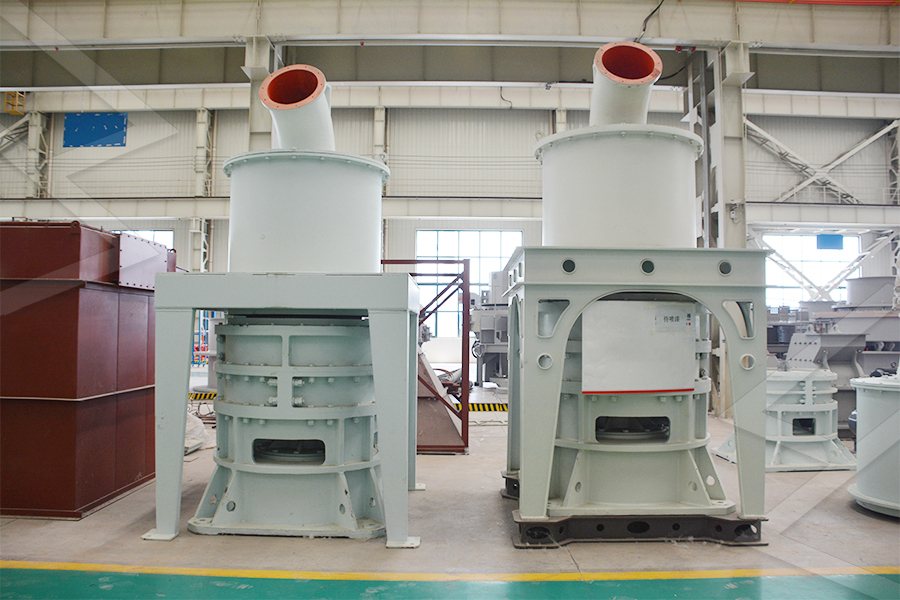
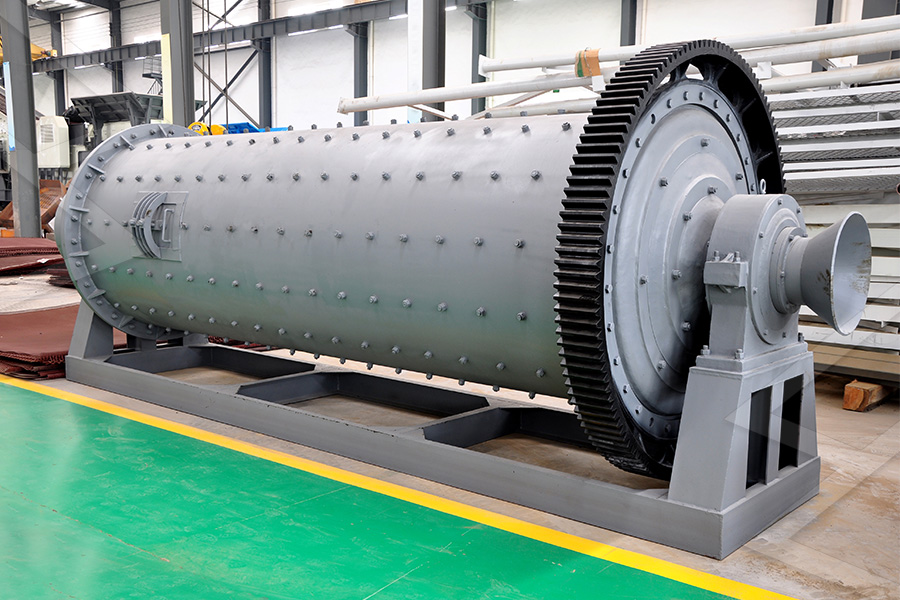
The 200 - mesh fineness is chosen as it provides a good balance for many applications. It is fine enough to be used in the production of high - quality cement, where a uniform particle size distribution is essential for the chemical reactions during cement manufacturing. At the same time, it is not overly fine, which helps to avoid issues such as excessive energy consumption and dust generation during the grinding process.
Ore Characteristics of Limestone
Limestone is mainly composed of calcium carbonate often with small amounts of impurities such as magnesium carbonate, silica, and iron oxide. Its chemical composition determines many of its properties and applications. For instance, the high calcium carbonate content makes it an ideal raw material for the production of lime through calcination, as the chemical reaction
is the fundamental process in lime production. In terms of physical properties, limestone has a Mohs hardness of around 3, which means it is relatively soft compared to some other minerals. This moderate hardness makes it easier to process using common grinding equipment. Its density typically ranges from 2.6 - 2.8 g/cm³. These characteristics influence the grinding process.
The softness allows for the use of less - energy - intensive grinding methods initially, but care must be taken to ensure uniform grinding to achieve the desired fineness. The density affects the handling and transportation of the raw material, as well as the behavior of the powder during the grinding and subsequent processes.
The softness allows for the use of less - energy - intensive grinding methods initially, but care must be taken to ensure uniform grinding to achieve the desired fineness. The density affects the handling and transportation of the raw material, as well as the behavior of the powder during the grinding and subsequent processes.