High - Precision Gypsum Grinding: 0.5 - 15 tph Production and Its Applications
Introduction to Gypsum Processing
Gypsum is a non - metallic mineral with important industrial value, and its grinding and processing occupy a significant position in the non - metallic mineral industry. The processed gypsum powder has a wide range of applications in various fields, making the gypsum grinding process an essential link in the industrial chain. This article focuses on high - precision gypsum grinding with a production capacity of 0.5 - 15 tons per hour (tph) and explores its applications.
Gypsum Grinding Process
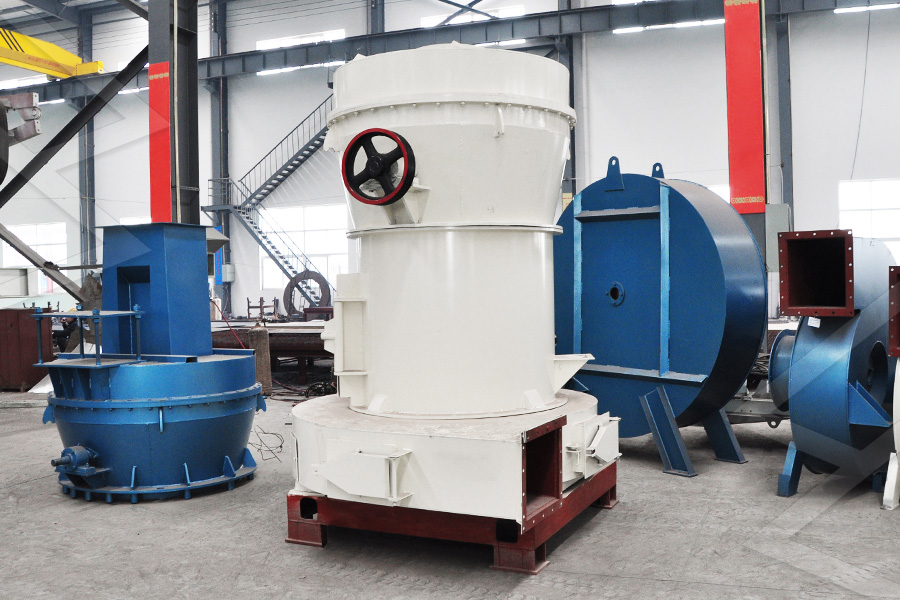
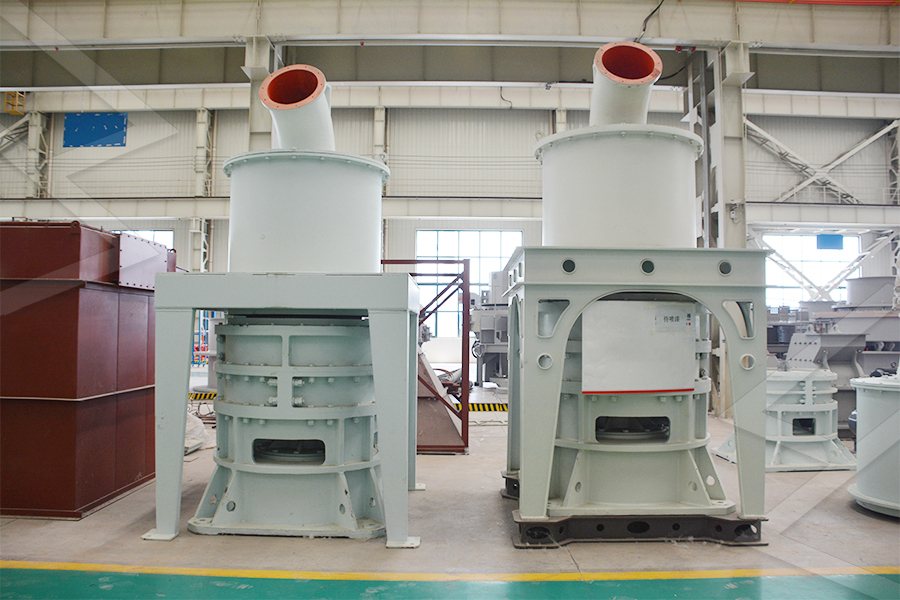
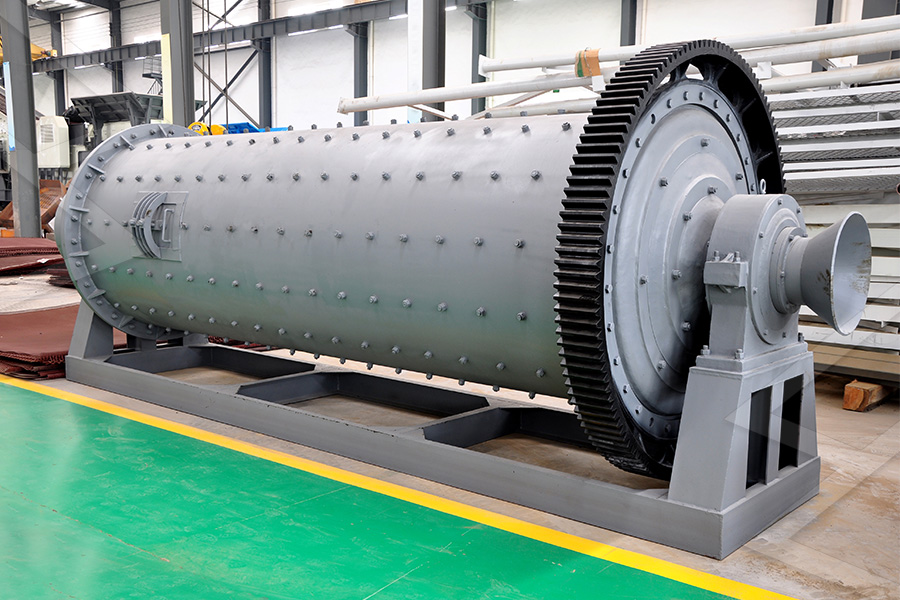
To achieve an output of 0.5 - 15 tph and an output fineness of 80 - 400 mesh, a scientific and reasonable grinding process is required. For small - scale production with an output of 0.5 - 2 tph, a small - sized Raymond mill or a ball mill can be used. A small - sized Raymond mill is easy to operate and maintain, and its investment cost is relatively low. It can grind gypsum into powder through the cooperation of grinding rollers and grinding rings. A ball mill, although it has a relatively large volume and higher energy consumption, can also achieve fine grinding of gypsum by the impact and grinding of grinding balls.
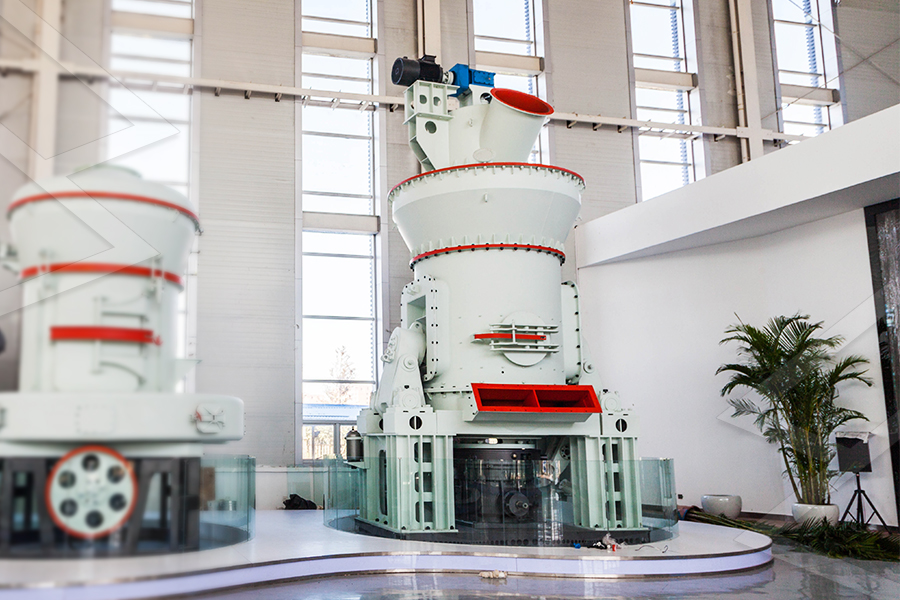
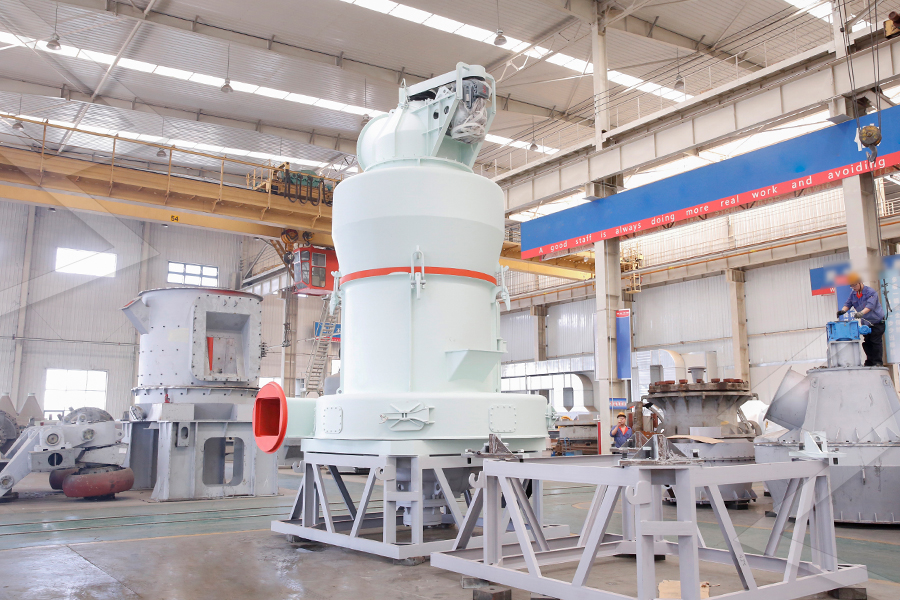
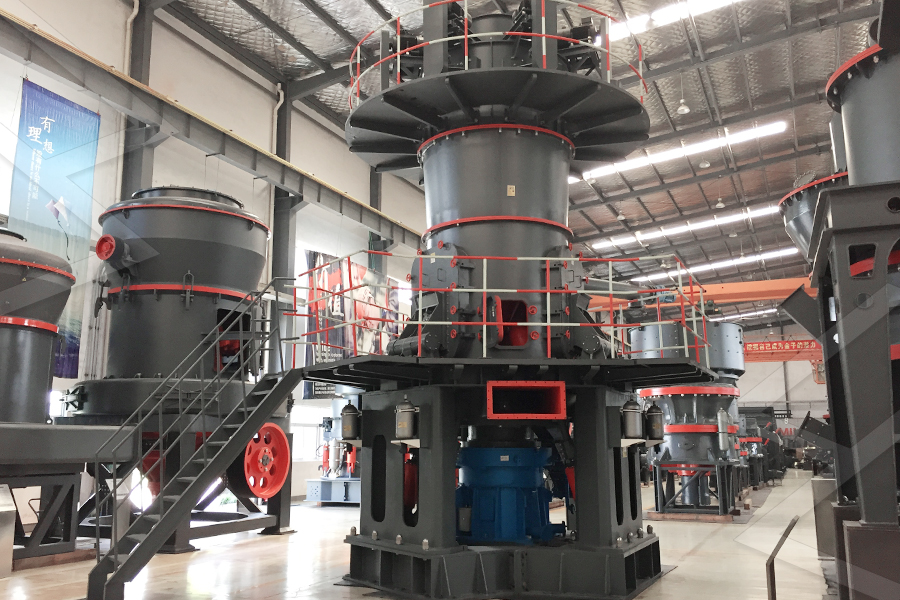
For medium - to large - scale production with an output of 2 - 15 tph, a vertical roller mill is often the preferred choice. The vertical roller mill has high - efficiency grinding performance. The gypsum raw material is fed onto the grinding table, and the grinding rollers, under the action of hydraulic pressure, roll on the material, achieving efficient crushing and grinding. During the grinding process, strict quality control is carried out.
For example, the moisture content of the gypsum raw material needs to be controlled within a certain range. Excessive moisture can affect the grinding efficiency and the quality of the finished product, so pre - drying may be required if necessary. In addition, the temperature during the grinding process also needs to be monitored to prevent the decomposition of gypsum due to overheating.
For example, the moisture content of the gypsum raw material needs to be controlled within a certain range. Excessive moisture can affect the grinding efficiency and the quality of the finished product, so pre - drying may be required if necessary. In addition, the temperature during the grinding process also needs to be monitored to prevent the decomposition of gypsum due to overheating.