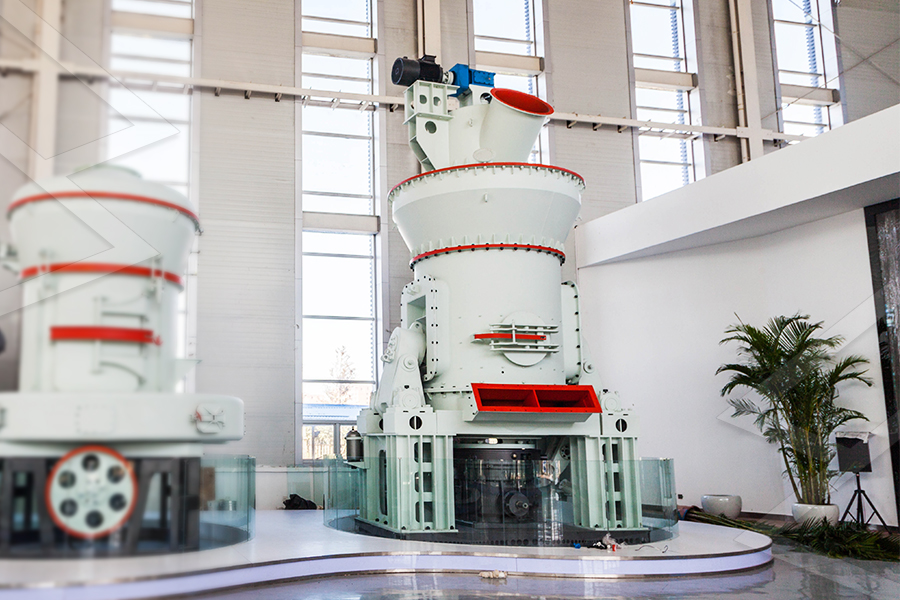
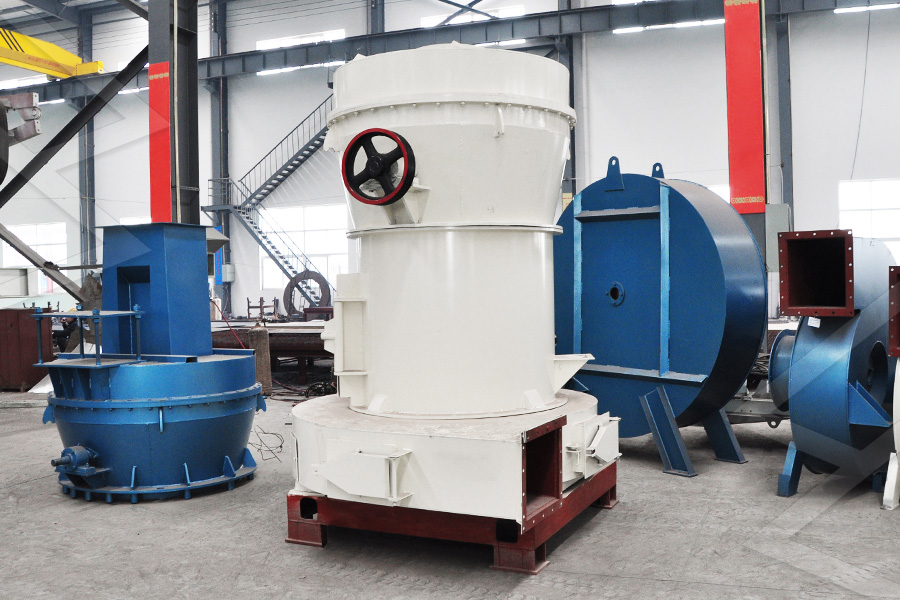
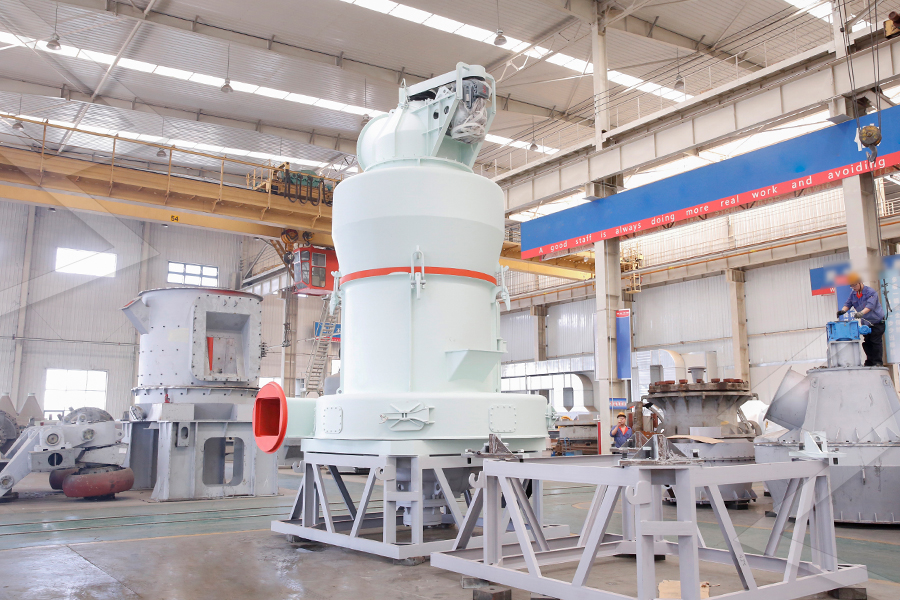
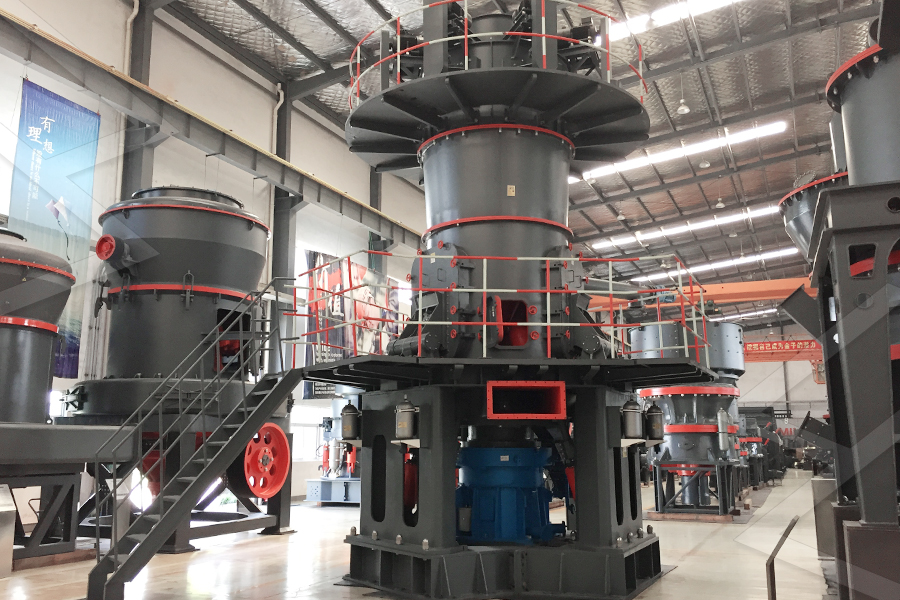
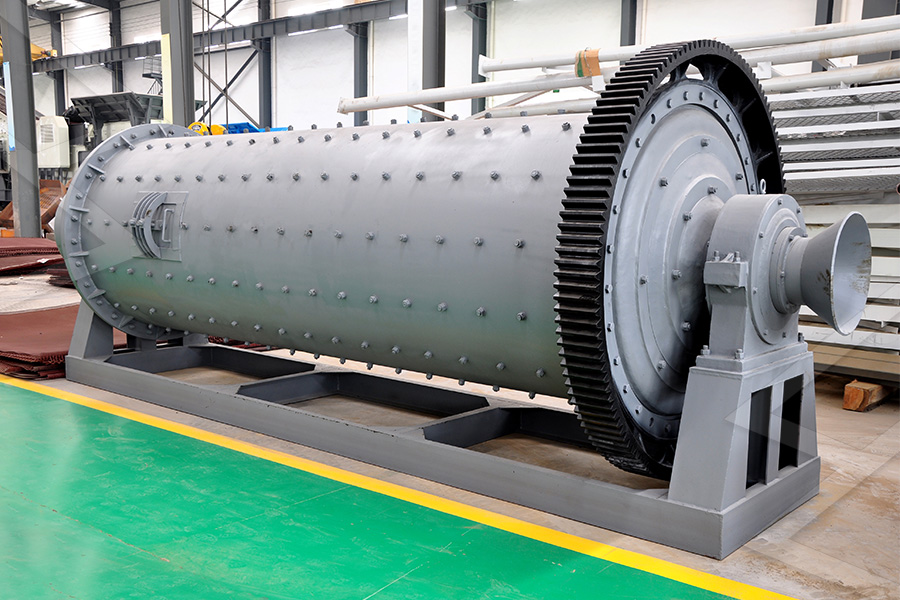
The grinding and processing of limestone with an output of 5 - 30 tph have significant advantages in meeting market demands and promoting industrial development. The wide application of ground limestone in multiple industries reflects its importance. In the future, with the continuous progress of science and technology, it is necessary to continuously innovate the limestone grinding process and technology. For example, the development of more energy - efficient grinding equipment and more environmentally friendly production processes can further improve the economic and environmental benefits of limestone grinding and processing, and promote the sustainable development of this industry.
In recent years, with the rapid development of various industries, the demand for non - metallic mineral products has been on the rise. Among them, dolomite, as an important non - metallic mineral, has attracted widespread attention due to its unique chemical composition and physical properties. The processing of dolomite by grinding is a key step in unlocking its full potential, and this article focuses on the multifunctional application of ground dolomite with an output capacity of 1 - 20 tons per hour (tph).
Dolomite Grinding Details
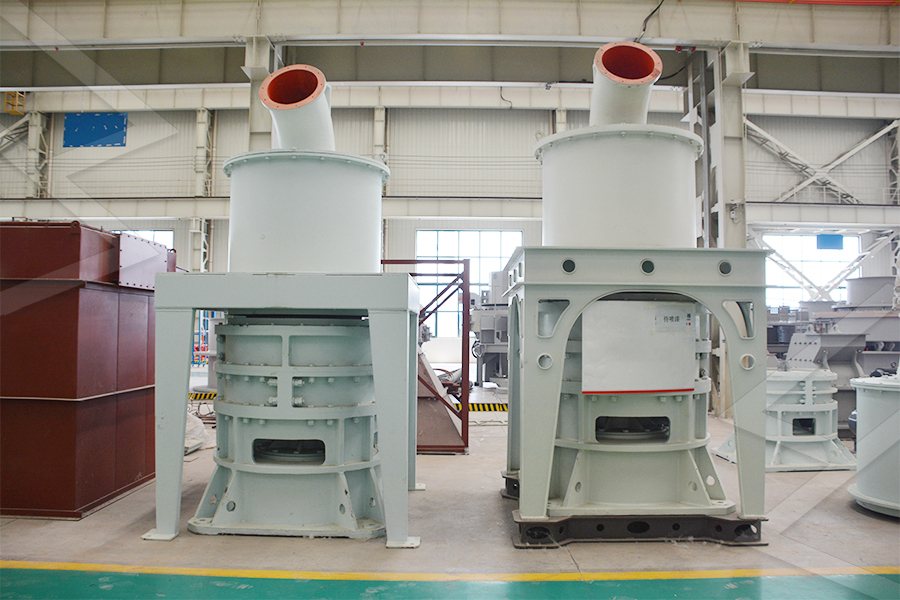
To achieve an output of 1 - 20 tph and an output fineness of 80 - 400 mesh, appropriate grinding equipment and precise process control are essential. For small - scale production with an output of 1 - 5 tph, a Raymond mill can be a cost - effective choice. Its simple structure and relatively low investment cost make it suitable for start - up enterprises or small - scale production lines. The Raymond mill uses a grinding roller and a grinding ring to crush and grind dolomite. The material is fed into the grinding chamber, and under the action of the centrifugal force of the grinding roller, it is crushed between the grinding roller and the grinding ring.
For larger - scale production with an output of 5 - 20 tph, a vertical roller mill may be more appropriate. Vertical roller mills have the advantages of high - efficiency grinding, large - capacity processing, and low energy consumption. During the grinding process, the dolomite is evenly distributed on the grinding table by the feeder. The grinding rollers, which are pressed against the grinding table by hydraulic pressure, rotate and roll on the material, achieving efficient grinding. The air flow in the vertical roller mill also plays an important role in transporting and classifying the ground powder. By adjusting the air volume and the speed of the classifier, the fineness of the ground dolomite powder can be precisely controlled.
Diverse Uses of Ground Dolomite