High - Efficiency Grinding and Processing of Limestone: A 5 - 30 tph Case
Introduction
The processing of non - metallic minerals through grinding is of great significance in modern industry. It transforms raw minerals into value - added products that are widely used in various fields. Among these non - metallic minerals, limestone is one of the most commonly processed minerals. Limestone grinding and processing play a crucial role in meeting the demands of industries such as construction, chemical engineering, and agriculture. This article focuses on the high - efficiency grinding and processing of limestone with an output capacity of 5 - 30 tons per hour (tph).
Limestone Grinding Parameters
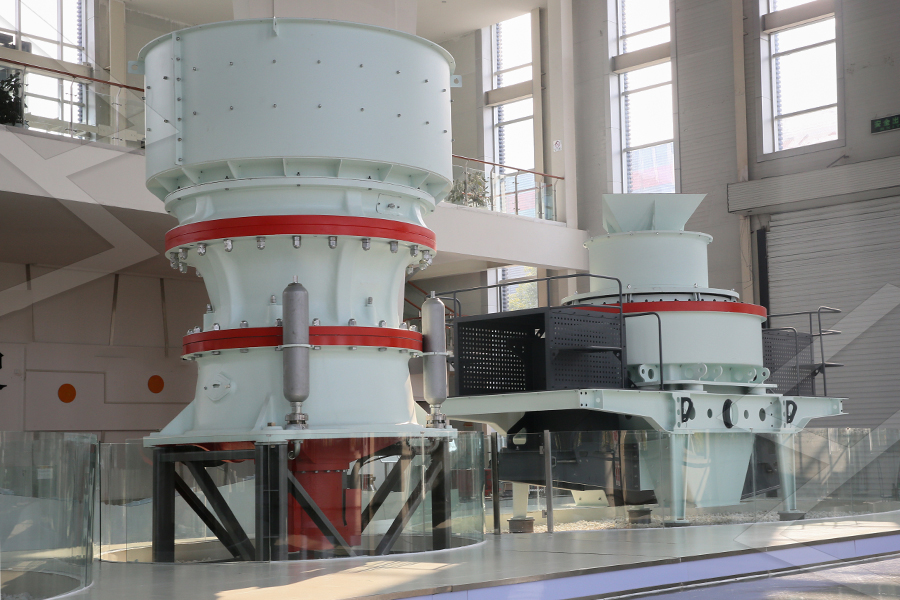
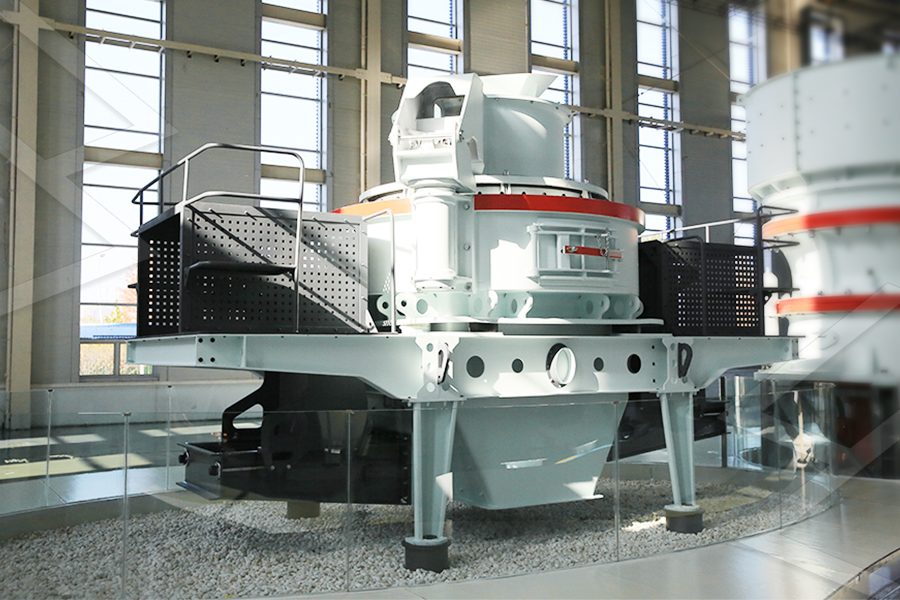
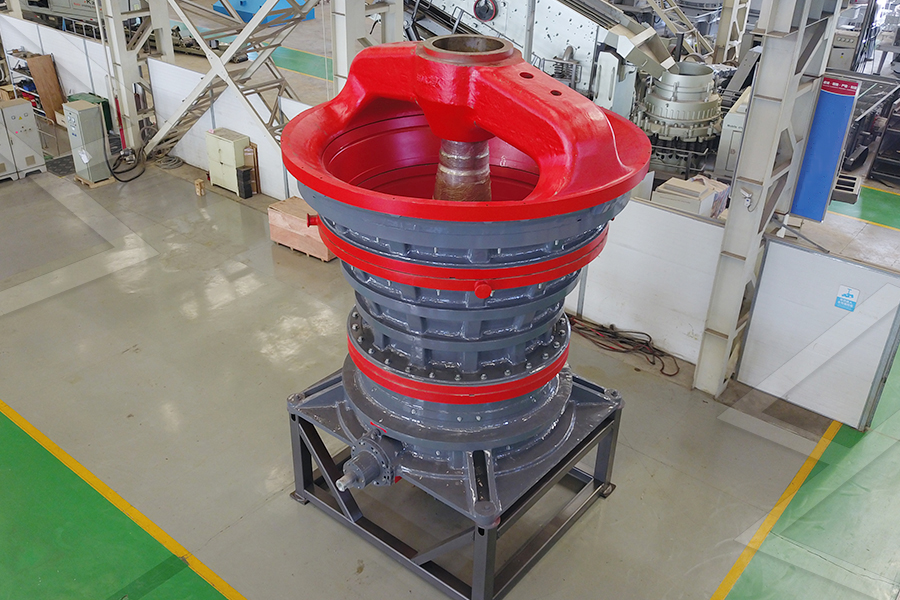
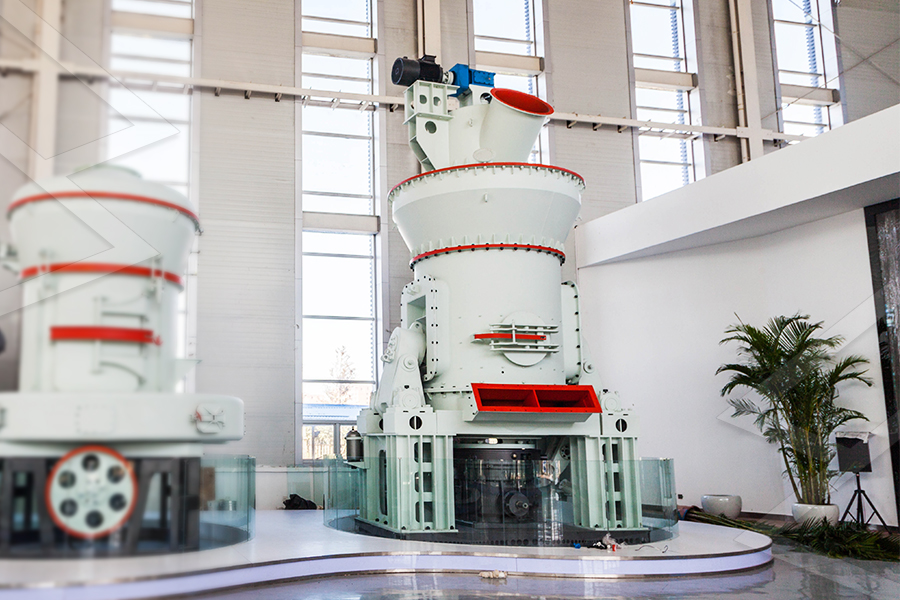
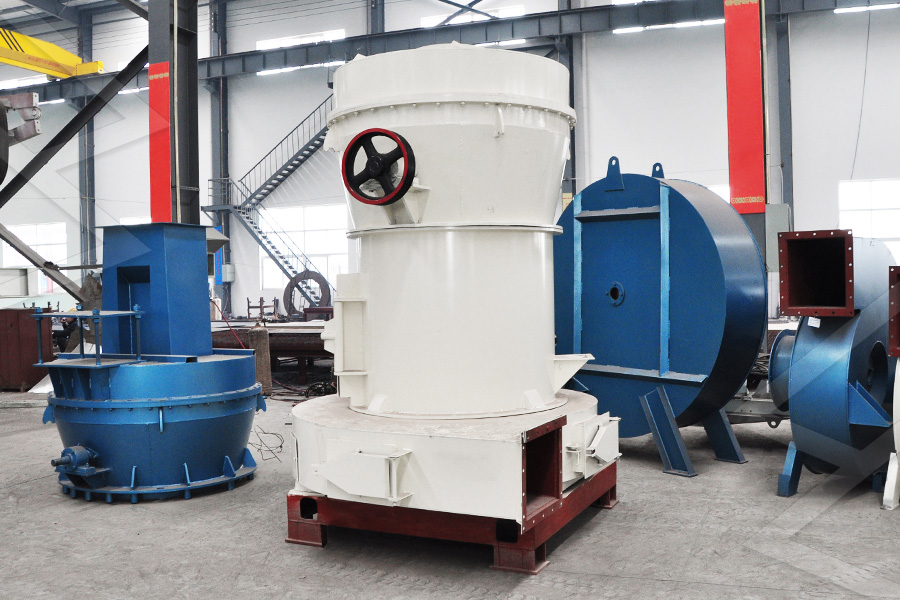
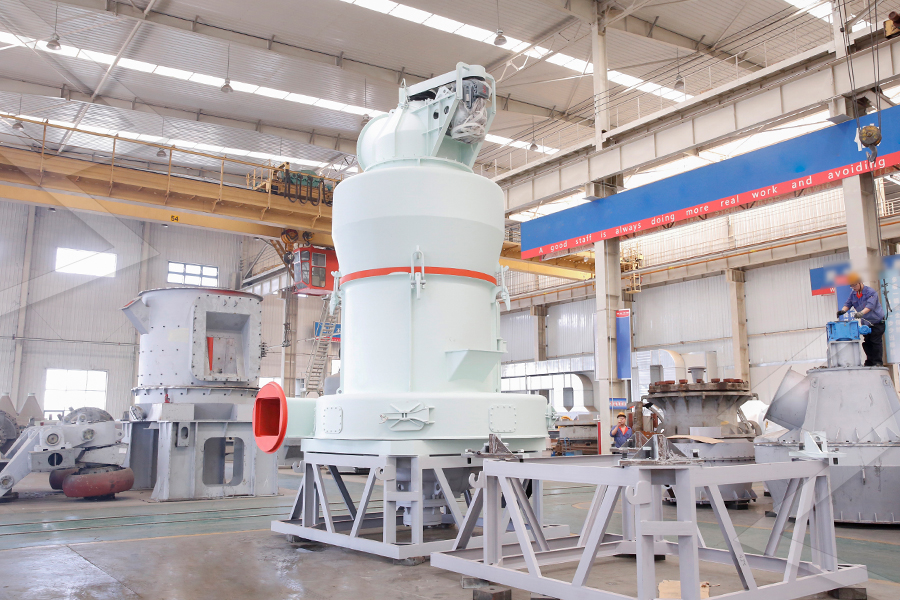
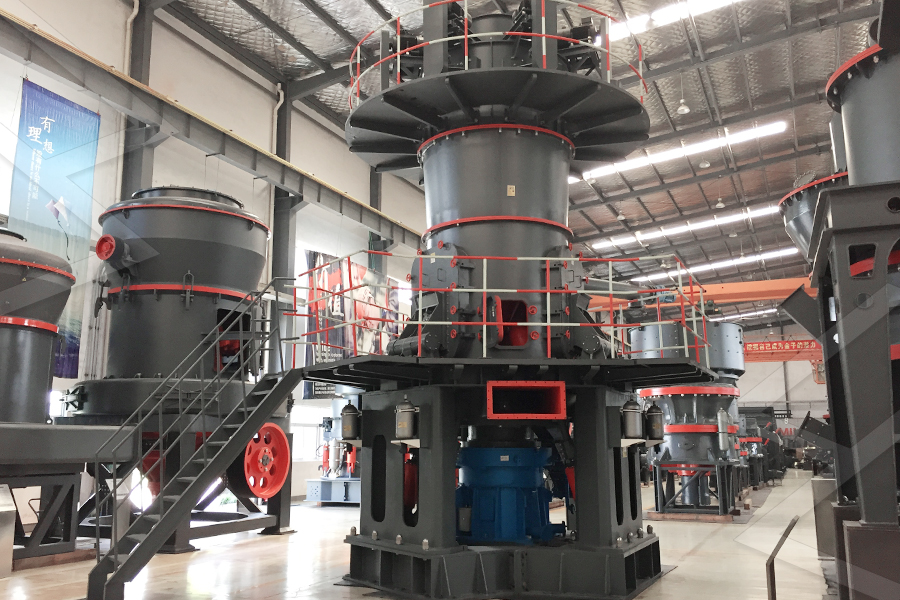
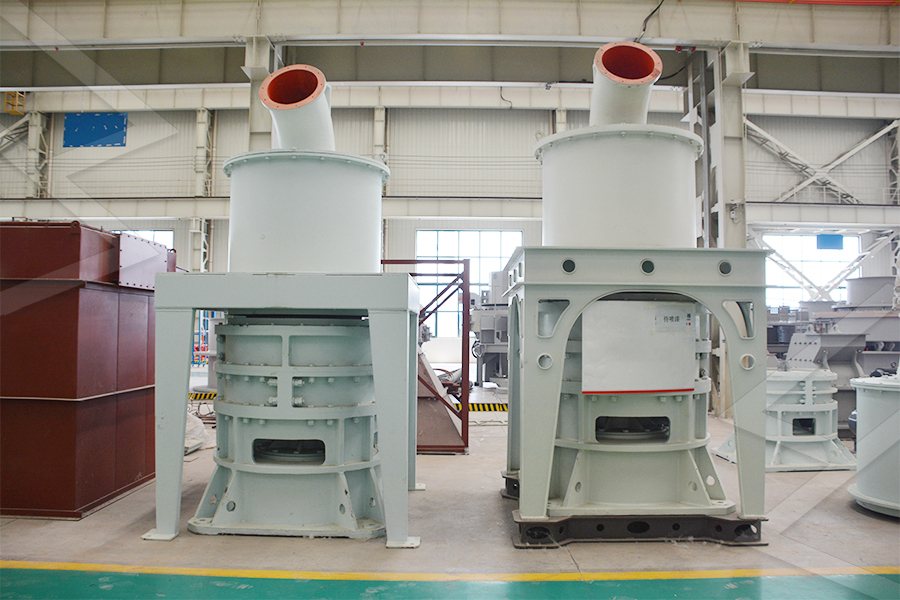
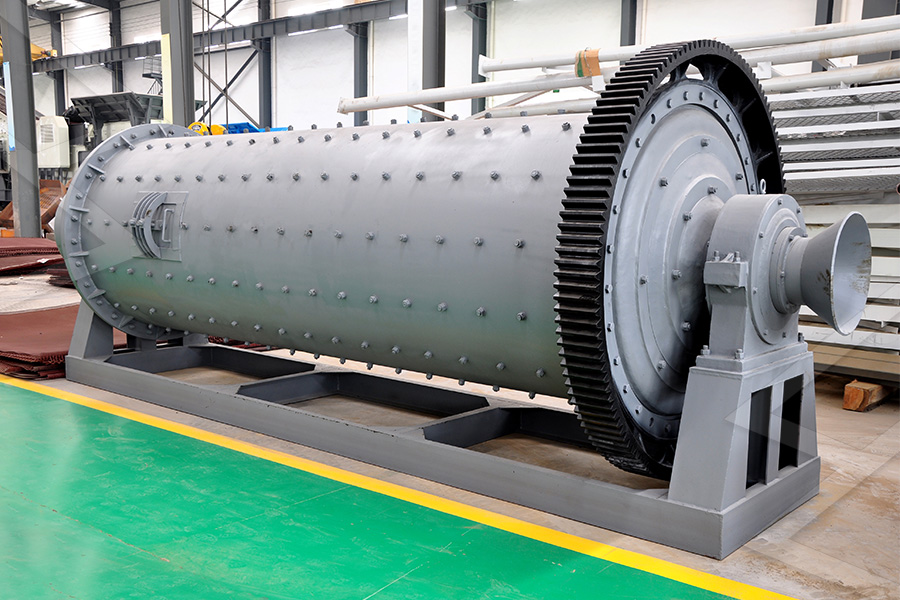
Achieving an output of 5 - 30 tph and an output fineness of 80 - 400 mesh requires advanced equipment and optimized processes. For the grinding equipment, vertical roller mills and Raymond mills are commonly used. Vertical roller mills are known for their high - efficiency grinding, large - capacity processing, and energy - saving features. They can handle a large amount of limestone raw materials, and through the rotation of the grinding rollers and the grinding table, the limestone is crushed and ground into fine powder. Raymond mills, on the other hand, are relatively more suitable for small - to medium - scale production. They have a simple structure and are easy to operate and maintain.
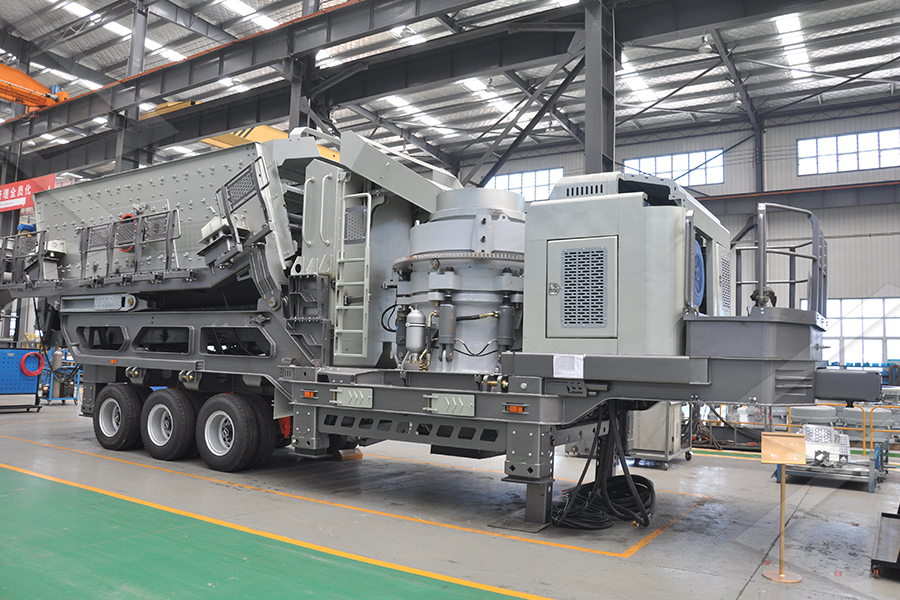
In terms of the process, a multi - stage grinding process is often adopted. First, the large - sized limestone raw materials are fed into the jaw crusher for primary crushing to reduce the particle size to a level that can be fed into the subsequent grinding equipment. Then, the crushed limestone is transferred to the grinding mill. During the grinding process, strict control over factors such as the feeding speed, grinding pressure, and air volume is necessary. For example, a proper feeding speed ensures a continuous and stable supply of materials for grinding, while the right grinding pressure can improve the grinding efficiency and the fineness of the product. The air volume affects the transportation and classification of the ground limestone powder.